-
 BinaxPay Team
 - 12 Dec, 2025
- 4 mins read
Country-Specific KYC Terms (BVN, NIN, Aadhaar, CPF, CNPJ)
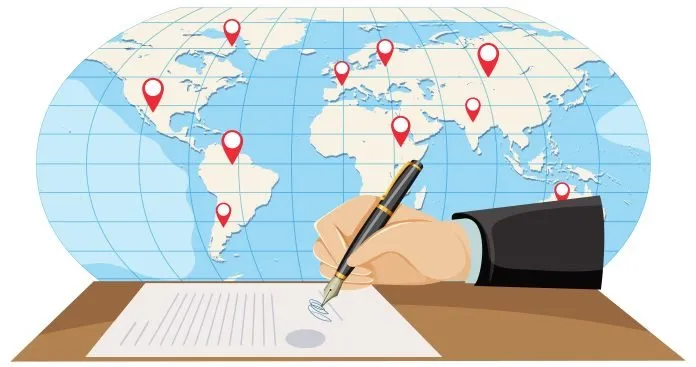
A simplified glossary of the most important country-specific identity systems used in fintech for onboarding, verification, and fraud prevention. These terms are essential for building compliant onboarding flows across major global markets such as Brazil, USA, Germany, Saudi Arabia, Oman, Sweden, India, and Nigeria. 1. BVN — Bank Verification Number (Nigeria) A unique 11-digit identifier issued by the Central Bank of Nigeria to every bank customer. Used to prevent identity duplication, monitor fraud, and unify banking activity under one verified identity. Used for:Identity validation Fraud checks Linking multiple bank accounts Confirming user authenticityReal-life example: A user in Nigeria tries to register on a fintech app. The system checks their BVN via the national database. If name, date of birth, or photo mismatches, registration is blocked instantly. 2. NIN — National Identification Number (Nigeria) Issued by the National Identity Management Commission (NIMC). Used for national identity verification beyond banking. Used for:SIM card registration Fintech onboarding Government services KYC verificationReal-life example: A merchant in Lagos applies for a business account. The system asks for NIN, validates identity, checks sanctions and PEP status, and KYB is approved. 3. Aadhaar — India’s National Digital ID A 12-digit biometric-enabled ID used by more than 1.3 billion Indians. Includes fingerprint, iris scan, and demographic data. Used for:e-KYC verification Mobile onboarding Account opening Subsidy and government programsReal-life example: A freelancer in India wants to receive cross-border payments. The fintech app verifies Aadhaar via e-KYC, instant identity confirmation, and the account is approved within minutes. 4. PAN — Permanent Account Number (India) Mandatory for tax reporting and business activity. Often used together with Aadhaar for KYC. Used for:Business accounts Tax-linked transactions High-value transfers5. CPF — Cadastro de Pessoas Fisicas (Brazil) Brazil’s national personal tax ID. Every individual must have one. Used for:Bank account opening Fintech onboarding Ecommerce payments Background checks Financial reportingReal-life example: A user in Sao Paulo signs up for a digital wallet. CPF is checked against Receita Federal. If the CPF is inactive, suspended, or mismatched, KYC fails. 6. CNPJ — Cadastro Nacional da Pessoa Juridica (Brazil) Brazil’s national business registration number, required for all companies. Used for:KYB verification Merchant onboarding Tax number validation Business legitimacy checksReal-life example: A restaurant in Rio de Janeiro wants to accept digital payments. The fintech verifies CNPJ, tax status, and shareholder info, and the business wallet is activated within 24 hours. 7. SSN and EIN — United States SSN (Social Security Number) is an individual ID for tax, bank accounts, and identity verification. EIN (Employer Identification Number) is a business tax number issued by the IRS. Used for:Bank onboarding KYB Payroll Credit checksReal-life example: A US logistics company applies for payouts. The fintech verifies EIN and responsible officers’ SSN, KYB approved, and the merchant account is activated. 8. National ID (Saudi Arabia, Oman, UAE) GCC countries use centralized smart ID systems linked to biometrics and mobile numbers. Used for:e-KYC Government system matching Telecom verification Residency status validationReal-life example: A user in Saudi Arabia signs up on a fintech platform. The system checks National ID via government API, verifies residency, name, and date of birth, and approval is instant. 9. Personnummer (Sweden) Sweden’s universal personal identity number, used across banking, health, government, and private services. Used for:Bank onboarding Credit scoring Digital services authenticationReal-life example: A user in Stockholm opens a fintech account using BankID linked to personnummer. Identity verified in seconds, full KYC completed automatically. 10. German National Identity Elements (Germany) Germany uses passport or ID card plus SCHUFA verification for identity and credit checks. Used for:Bank onboarding Credit products Fintech verificationReal-life example: A user in Berlin registers on a fintech app. ID card is scanned and SCHUFA identity check confirms authenticity, KYC passed. Conclusion These country-specific KYC identifiers allow fintech systems to confirm identity, reduce fraud, comply with local laws, automate onboarding, and maintain accurate AML and CTF controls. Every region uses its own identity standard, and global fintech platforms must integrate them to operate legally and securely across continents.
- BinaxPay Team
- 11 Dec, 2025
- 5 mins read
Regulatory Bodies Glossary (FCA, FINMA, MAS, SEC)
A comprehensive, reader-ready glossary explaining the world’s most influential financial regulators. This post covers their roles, powers, licensing environments, compliance expectations, and how fintech companies interact with them. Real-life examples reference Germany, Sweden, USA, Saudi Arabia, Brazil, and Oman. 1. FCA — Financial Conduct Authority (United Kingdom) The FCA regulates financial services in the UK, covering banks, EMIs, PIs, FX firms, investment platforms, and fintech companies. It enforces strict rules on consumer protection, AML and CFT, data handling, transparency, market fairness, and safeguarding of client funds. Key responsibilitiesLicensing EMIs, PIs, FX dealers, investment firms Enforcing safeguarding requirements for customer funds Supervising AML and CFT activities Approving senior managers under the SMCR regime Monitoring fraud, market abuse, and unfair practices Ensuring complaint handling and consumer rights Regulating open banking (PSD2 implementation in UK)What the FCA means for fintech Any company offering UK payment services must align with FCA rules, directly or through a regulated BaaS partner. Real-life example — Sweden to UK fintech expansion A Swedish fintech wants to issue GBP accounts to UK clients. They must operate under an FCA-regulated EMI partner, implement UK-level AML and CFT controls, follow FCA safeguarding rules for GBP funds, submit suspicious activity to the UK FIU when relevant, and comply with UK-specific 3D Secure and SCA requirements. Without FCA oversight, no financial product can operate legally in the UK. 2. FINMA — Swiss Financial Market Supervisory Authority (Switzerland) FINMA regulates Swiss banks, wealth managers, crypto platforms, insurance companies, and payment companies. Switzerland has some of the world’s most respected financial policies, focused on stability, risk management, and institutional compliance. Key responsibilitiesAuthorization of Swiss banks and fintech licenses Supervision of AML and CFT compliance Oversight of crypto asset platforms Enforcement of financial crime prevention Monitoring cross-border financial activity Ensuring capital adequacy and risk frameworksWhat FINMA means for fintech FINMA is known for strict compliance and risk management expectations. Fintechs operating with Swiss partners must align with deep AML screening and financial crime controls. Real-life example — Germany company using Swiss asset services A German fintech uses a Swiss partner for cross-border asset accounts. Requirements include FINMA-compliant KYC for German customers, stronger risk assessment for cross-border wealth transfers, enhanced documentation for large inbound EUR amounts, and strict data protection and customer verification. Swiss compliance applies even when users come from other EU countries. 3. MAS — Monetary Authority of Singapore (Singapore) MAS is both the central bank and financial regulator of Singapore, one of the world’s top fintech hubs. It is known for advanced digital payments, low fraud rates, and strict licensing. Key responsibilitiesRegulating banks, EMIs, PIs, and crypto providers Overseeing AML and CFT compliance Supervising MAS Payment Services Act licensing Monitoring cross-border transactions Enforcing cybersecurity and tech-risk requirements Supporting innovation through the MAS SandboxWhat MAS means for fintech MAS licensing is highly respected and gives fintechs credibility for expanding into Asia. Real-life example — Saudi Arabia to Singapore corridor activation A Saudi fintech wants to open SAR to SGD remittance routes. They must comply with MAS AML rules, configure MAS-aligned transaction monitoring, ensure MAS-compliant reporting for large payments, respect MAS licensing restrictions for cross-border payouts, and include Singapore’s risk indicators. MAS ensures all inbound flows into Singapore meet strict regulatory criteria. 4. SEC — Securities and Exchange Commission (United States) The SEC regulates securities markets, investment activities, public offerings, broker-dealers, and investor protections in the United States. It is one of the most powerful regulators globally. Key responsibilitiesSupervising securities issuance and IPOs Regulating investment firms, advisors, and brokers Preventing securities fraud Enforcing disclosures for public companies Monitoring insider trading and market manipulation Maintaining investor protection standards Licensing securities-related fintech activitiesWhat the SEC means for fintech Any product involving securities, investment plans, share sales, tokenized assets, or wealth products must follow SEC rules, even if the company is foreign but targeting US users. Real-life example — Brazil to USA investor access A Brazilian fintech offers fractional investment services to US users. They must register with the SEC or partner with a regulated US broker, appoint a compliance officer specifically for SEC, follow US investor suitability checks, provide SEC-approved disclosures, comply with US sanctions and AML rules, and maintain audit-ready financial statements. Operating investment services in the US without SEC alignment is illegal. 5. SAMA — Saudi Central Bank (Saudi Arabia) SAMA regulates banks, PSPs, financing companies, and all digital financial services in Saudi Arabia. KSA is one of the fastest-growing fintech markets globally. Key responsibilitiesLicensing PSPs, wallets, and payment institutions Approving open banking APIs Enforcing AML and CFT rules Overseeing Mada (local card network) Setting cybersecurity and data rules Supervising financial stabilityReal-life example — Sweden fintech expanding to KSA A Swedish fintech wants to offer SAR digital wallets. They must follow SAMA wallet regulations, integrate Mada rails, comply with SIM-based identity rules, store specific data inside Saudi servers, and use Arabic-compliant UI for disclosures. SAMA requirements must be met before any financial service can operate. 6. BCB — Banco Central do Brasil (Brazil) BCB regulates Brazil’s highly advanced instant payments ecosystem (PIX), banks, EMIs, PIs, and FX operations. Key responsibilitiesRegulating PIX instant payments Approving EMIs and PIs Enforcing AML and CFT standards Supervising FX and currency rules Controlling settlement institutions Authorizing fintech licensesReal-life example — Germany to Brazil business payments A German logistics company uses a fintech to pay suppliers in Brazil. Requirements include BRL liquidity with a local licensed partner, CPF or CNPJ validation, FX compliance under BCB rules, PIX rails mapped correctly, and local AML monitoring for inbound EUR to BRL transactions. BCB-approved compliance is mandatory for all Brazil-facing transactions. 7. CBO — Central Bank of Oman (Oman) CBO regulates banks, PSPs, and digital financial services within Oman, focusing on stability, consumer protection, and compliance. Key responsibilitiesLicensing PSPs, EMIs, and digital wallets Enforcing AML and CFT thresholds for OMR transfers Supervising settlement accounts Approving cross-border payment rules Overseeing fintech innovation programsReal-life example — USA to Oman corporate payments A US company sends funds to suppliers in Muscat. Requirements include AML checks under CBO standards, OMR liquidity via a licensed local partner, compliance with Oman ID verification rules, and settlement reporting to Omani financial authorities. CBO ensures proper governance of international payment flows entering the country. Conclusion Understanding major global regulators FCA, FINMA, MAS, SEC, SAMA, BCB, and CBO is essential for any fintech expanding internationally. Each regulator defines the rules for licensing, AML and CFT, KYC and KYB, reporting, consumer protection, and market stability. Real-life examples from Germany, Sweden, USA, Saudi Arabia, Brazil, and Oman show how regulatory expectations change across jurisdictions, making regulatory literacy a core part of global fintech operations.
- BinaxPay Team
- 10 Dec, 2025
- 5 mins read
Virtual Accounts, Sub-Accounts & Routing Models
Virtual accounts and sub-accounts are core components of modern fintech infrastructure. They allow EMIs, PSPs, digital banks, ERP platforms, and global payout systems to organize funds, automate reconciliation, and route payments at scale without issuing a new physical bank account for every user or business. This model is used across Europe, USA, Brazil, Saudi Arabia, Sweden, Germany, and Oman to simplify treasury, settlement, and payout operations. This post explains how virtual accounts work, how sub-accounts sit under master ledgers, and how routing models distribute payments across currencies, corridors, and liquidity pools with real-life examples from developed financial markets. 1. What Are Virtual Accounts? A virtual account is not a real bank account at a traditional bank. It is a ledger-level account created inside a fintech or EMI system that maps to a single real safeguarding or settlement account held by the institution. Key characteristicsNo separate IBAN at the bank (unless virtual IBAN is issued) Exists only inside the fintech ledger Used for receiving, storing, and routing funds internally Helps automate reconciliation for thousands of users Each virtual account has a unique reference, ID, or virtual IBANWhy they matter Virtual accounts allow fintechs to scale to millions of users with only a small number of real bank accounts, reducing cost and complexity. 2. What Are Sub-Accounts? A sub-account is a secondary account under a user, business, or merchant’s main balance. Examples A single business may have:Main account Sub-account for payroll Sub-account for FX transactions Sub-account for POS settlement Sub-account for invoice collectionsEach sub-account has its own ledger, limits, rules, and routing logic. Benefits Clean accounting separation, automated reporting, better risk control, multi-currency separation, and corridor-level control. 3. Virtual IBANs (vIBANs) A virtual IBAN is a unique IBAN assigned to a user that maps to a single actual bank account behind the scenes. How it worksBank issues one real IBAN to the fintech Fintech generates thousands of virtual IBANs Each vIBAN redirects funds into the master account Ledger tags the deposit to the correct user instantlyAdvantages Users appear to have their own IBAN, work for SEPA, FPS, or SWIFT depending on rail, and deliver enterprise-grade reconciliation with faster settlement. 4. Routing Models in Modern Fintech Routing refers to the logic that decides where money flows inside the system. Common routing models User-level routing Funds route to the intended user’s virtual account based on vIBAN, payment reference, API token, or webhook signature. Product-level routing Used when one business has multiple modules (ERP, POS, payroll). Example: payroll payouts routed to payroll sub-account. Corridor-level routing Used for cross-border payments (EUR to USD). Determines whether to use SEPA, SWIFT, PIX, SARIE, Fedwire, and others. Currency-level routingEUR routed to EU safeguarding USD routed to US correspondent bank BRL routed to Brazilian PIX account SAR routed to Saudi settlement accountMerchant settlement routing Used by PSPs to route POS or ecommerce settlements to merchant sub-accounts. 5. Treasury, Settlement, and Reconciliation Using Virtual Accounts Virtual accounts make treasury operations highly efficient. Treasury benefitsNo need to open 10,000 real bank accounts Real-time tracking of inflows and outflows Faster FX conversion workflows Corridor-specific liquidity trackingReconciliation benefitsEvery payment carries a reference linked to the virtual account Instant matching with no manual work Correct attribution of settlement and fees6. Real-Life Multi-Country Examples Example 1: Germany — Payroll Platform Using Virtual Sub-Accounts A German SaaS payroll platform uses BinaxPay. It has one real safeguarding account in Germany. Each business receives a virtual account. Each employee has a sub-account under the business. When the employer funds EUR 50,000, money lands in the master account, the ledger allocates the correct amounts to each employee sub-account, and payroll payouts execute via SEPA Instant. No need for 500+ real bank accounts and reconciliation is automated. Example 2: Sweden — Marketplace Using Virtual IBANs A Swedish online marketplace generates a virtual IBAN for each seller. When a buyer pays, a SEPA transfer goes to the master IBAN, the virtual IBAN identifies which seller receives the funds, their sub-account updates instantly, and the seller withdraws to their Swedish bank account. Example 3: USA — Platform Routing USD via ACH Sub-Accounts A US subscription platform gives every merchant a USD sub-account. ACH deposits from customers land in a master account. Routing logic identifies the merchant using ACH addenda, virtual account ID, or reference code. Funds automatically route to the merchant sub-account and payouts go via ACH or Fedwire. Example 4: Brazil — PIX Company Using Virtual Addresses A Brazilian fintech issues PIX keys mapped to virtual accounts. When a client pays a PIX key, money arrives in the master BRL account, the ledger routes based on PIX key hash, the merchant’s BRL sub-account updates instantly, and PIX plus virtual accounts provide instant reconciliation for thousands of merchants. Example 5: Saudi Arabia — Corporate Wallet Using Multi-Layer Sub-Accounts A Saudi enterprise uses a fintech wallet for expenses, payroll, fuel payments, and international transfers. Each department gets a sub-account. All map to one SAR master account at a Saudi bank. Routing logic prevents departments from overspending and simplifies audits. Example 6: Oman — FX Routing Across Multiple Liquidity Pools An Omani trading company uses a fintech with OMR master account, USD liquidity pool, and EUR safeguarding account. When they send EUR to Germany, money is deducted from their EUR sub-account, treasury routes through SEPA rail, and the ledger adjusts all three pools accordingly. Unified virtual accounts make complex treasury behavior simple. 7. Summary Virtual accounts, sub-accounts, and routing models allow fintechs to scale to millions of users, reconcile instantly, reduce banking overhead, separate balance logic, manage global corridors, simplify treasury, and support complex merchant and enterprise operations. They are the backbone of modern financial infrastructure across Europe, USA, Brazil, Saudi Arabia, Sweden, Germany, and Oman.
- BinaxPay Team
- 09 Dec, 2025
- 4 mins read
Bank Transfer Logic (IBAN, Routing, Sort Code, ABA)
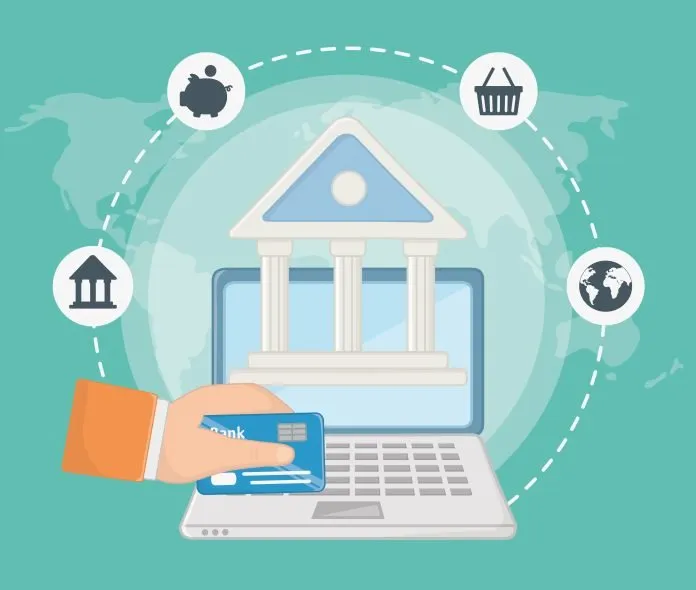
Bank transfers are the foundation of every fintech, EMI, PSP, and digital bank. Whether moving money inside a country or across borders, the process relies on structured identifiers that ensure funds reach the correct bank, account, and recipient. Understanding IBAN, routing numbers, sort codes, and ABA logic is essential for building reliable payout systems, treasury operations, and global corridors. This post explains how each identifier works, how banks use them behind the scenes, and how real fintech transactions flow across Germany, Sweden, USA, Brazil, Saudi Arabia, and Oman. 1. IBAN — International Bank Account Number IBAN is used across Europe, the Middle East, and many international markets. It ensures standardization in cross-border transfers. Structure Example: DE89 3704 0044 0532 0130 00DE: country code (Germany) 89: checksum 37040044: bank identifier 0532013000: individual account numberPurposePrevents errors in cross-border payments Allows automated validation Ensures unified format across nations Simplifies verification for fintech systemsWhere IBAN is usedEU and EEA UK Middle East (Saudi Arabia, Oman, UAE) Brazil for international transfers (converted at bank level) Many global banks for SWIFT-based transfersReal-Life Example (Germany to Sweden) A German user sends EUR 5,000 to a Swedish freelancer. The Swedish account uses an IBAN starting with SE. The fintech validates the IBAN checksum, formats the SWIFT message, and funds settle through SEPA or SWIFT depending on rails. 2. Routing Number (USA ACH and Fedwire) Routing numbers (also known as ABA routing numbers) are used in the United States. Two main types:ACH routing number for batch payments Fedwire routing number for instant domestic transfersStructure 9-digit code:First 4 digits: Federal Reserve routing symbol Next 4 digits: bank identifier Last digit: checksumPurposeIdentifies the receiving US bank Ensures correct ACH and wire routing Required for salary deposits, payouts, business transfersReal-Life Example (USA to USA) A US fintech pays a freelancer USD 2,800 via ACH:Routing: 021000021 (Chase) Account number: xxxxxxxDeposit arrives next business day. For instant payout, the fintech uses Fedwire instead. 3. Sort Code (United Kingdom) Sort codes are used in the UK for domestic money transfers. Structure 6 digits formatted as 12-34-56:12: bank 34: branch 56: internal processing segmentPurposeIdentifies bank and specific branch Used for Faster Payments and BACS Required for UK salary, merchant settlement, payoutsReal-Life Example (UK to UK) A business in London pays a contractor GBP 1,200:Sort Code: 20-45-14 Account: xxxxxxxxPayment routes through Faster Payments and arrives in seconds. 4. ABA Number (USA) ABA (American Bankers Association) numbers are the same as US routing numbers but specifically used for checks and some wire processes. PurposeRouting payments through the US banking system Legacy but still widely required for wires and direct depositsReal-Life Example A US fintech sets up payroll for a company in Texas. Employees must provide ABA number, account number, and account type (checking or savings). The ABA ensures proper movement through the Federal Reserve system. 5. Bank Codes in Other Regions Brazil — Agencia and Conta Example:Agencia: 1234 Conta: 567890-1Used for PIX, TED, DOC, and bank transfers. Saudi Arabia — IBAN Example starts with SA. All domestic transfers now require IBAN. Oman — IBAN Omani banks use IBAN that starts with OM. Sweden — Bankgiro and Plusgiro Domestic systems separate from standard IBAN. 6. How Transfers Are Validated Internally Step 1 — Format Validation Fintech checks:IBAN checksum Routing number validity Sort code format Bank code accuracyStep 2 — Bank Directory Lookup Platform checks bank directory files to confirm:Which bank owns the identifier Whether the account is reachable Which payment rails apply (SEPA, ACH, SWIFT, etc.)Step 3 — Rail Selection The system selects the correct rail:SEPA for EU FPS or BACS for UK ACH or Fedwire for USA PIX for Brazil SARIE for Saudi Arabia CBO or RTGS for OmanStep 4 — Settlement and Ledger Updates Funds leave the sender, settle via rail, and enter the recipient account. 7. Real-Life Multi-Country Scenarios Scenario 1 — Germany to Brazil (IBAN + SWIFT Format) A German company pays BRL 18,000 to a Brazilian supplier. Brazil does not use IBAN domestically, but for incoming SWIFT transfers: the sender uses the supplier’s SWIFT code, the beneficiary bank converts SWIFT to local Agencia and Conta, and funds settle via international FX and arrive in BRL. Scenario 2 — USA to Saudi Arabia (Routing to IBAN) A US merchant sends USD 7,500 to a Saudi partner. US bank uses ACH or Fedwire, a SWIFT message is sent, the Saudi bank maps the SWIFT account to local IBAN starting with SA, and funds settle through the SARIE domestic system. Scenario 3 — Sweden to Germany (IBAN to IBAN, SEPA Instant) A Swedish user sends EUR 2,200 to a German business using IBAN. Both sides support SEPA Instant, and funds settle in under 10 seconds. Scenario 4 — Oman to USA (IBAN to Routing) An Omani business pays a US freelancer. The payment uses SWIFT with the freelancer’s routing and account number. The US bank completes the incoming transfer via Fedwire. 8. SummaryIBAN is used across Europe and the Middle East and for many international transfers. Routing and ABA numbers are used for United States domestic transfers. Sort codes are used for United Kingdom domestic transfers. Brazil uses Agencia and Conta for PIX, TED, and DOC. Understanding these identifiers ensures accurate, fast, and compliant payouts across global corridors.

- BinaxPay Team
- 09 Dec, 2025
- 2 mins read
Investor Benefits & Growth Opportunities
BinaxPay offers investors a clear, structured, and scalable growth model built on real financial activity, multi-country expansion, and long-term recurring revenue. The ecosystem is designed to grow with every new corridor, merchant, and government or enterprise partner. 1. Multi-Country Expansion = Multi-Layer Revenue Every time BinaxPay enters a new country, investors gain access to new revenue streams through:transaction fees FX spreads merchant payments mobile money payouts card issuing enterprise payroll and invoicing API and white-label servicesGrowth compounds across regions, not just within one market. 2. Early Investor Advantage Early investors receive:priority equity allocation access to country-level ownership first right of refusal in new markets long-term revenue participation influence in strategic decisionsThis creates strong upside as the ecosystem expands globally. 3. Access to High-Growth Markets BinaxPay focuses on the fastest-growing financial regions:Africa LATAM GCC South Asia Southeast AsiaThese markets have:high mobile penetration limited traditional banking fast-growing SME activity strong cross-border payment demandEarly entry means higher long-term returns. 4. Scalable Revenue With Low Operating Costs BinaxPay uses:EU and UK regulated BaaS automated compliance in-house technology cloud and microservices architectureResult:extremely low marginal cost high scalability rapid deployment in each marketRevenue increases without proportional increases in expenses. 5. Enterprise and Government Partnerships BinaxPay collaborates with:telecom operators mobile money providers banks government programs large enterprisesThese create large, stable transaction volumes and long-term contracts. 6. Strong Exit Possibilities Investors benefit from multiple possible exit routes:IPO acquisition by a bank acquisition by a telecom acquisition by a global PSP share buyback by the holding companyThe fintech infrastructure sector has high acquisition activity and strong valuations. 7. Long-Term Recurring Revenue Every transaction generates income:payments payouts FX merchant settlement card feesThis creates sustainable, recurring revenue instead of one-time income. 8. Low Risk Through Diversified Corridors The ecosystem is active across multiple regions. If one corridor slows down, others continue generating revenue. This reduces investor risk and increases stability. 9. Real-Life Example An investor supports BinaxPay entry into Brazil. Once operational:SMEs use BinaxPay for payroll banks connect for payouts merchants adopt QR and instant settlement international corridors (EU and USA to Brazil) activate enterprise clients onboardThe investor receives their share of all corridor activity for years. 10. Why Investors Choose BinaxPayunique global infrastructure model fast country launch (company, documents, licensing roadmap) strong EU and UK regulatory base high-volume enterprise focus multi-rail payment capability no dependency on a single market proven expansion modelBinaxPay gives investors long-term ownership in a global financial infrastructure with scalable revenue, strong corridors, and broad market expansion potential.