
-
 BinaxPay Team
 - 05 Dec, 2025
- 5 mins read
Corridor Mapping, Localization & Market Entry Terms
Corridor mapping and localization are critical for launching fintech, payment, and remittance operations across different countries. Each market has its own payment rails, regulatory requirements, user behavior, currency rules, fraud patterns, and banking infrastructure. This post explains the key terminology and workflows used when entering a new country and activating corridors such as EU to USA, Germany to Brazil, Sweden to Saudi Arabia, USA to Oman, and EU to LATAM. 1. Corridor Mapping Corridor mapping is the process of analyzing and designing the full payment path between two countries. Key corridor termsSending corridor: the country where the transaction starts Receiving corridor: the country where the money is delivered Rail mapping: identifying which payment rails will be used end to end Settlement model: how funds are balanced between both sides FX path: how the exchange rate is applied Liquidity logic: how each side maintains enough float Compliance rules per corridor: KYC, AML, and transaction limitsWhat corridor mapping includesCurrencies used FX spread and conversion points Payout methods (bank, instant, wallet, card) Local regulatory rules KYC requirements for each country Daily or weekly settlement cycles Fraud risks tied to the corridor User expectations (speed, cost, payout form)Real-life example — Germany to Brazil A customer in Berlin sends EUR to a supplier in Sao Paulo via PIX. Mapping includes EUR debit via SEPA in Germany, EUR to BRL FX conversion, a liquidity pool in Brazil, instant PIX payout, reconciliation on both sides, and Germany or EU AML rules plus Brazil CPF validation. 2. Market Entry Readiness Before entering a country, a fintech must evaluate regulatory permissions, local payment rails, connectivity with banks and PSPs, local KYC and KYB standards, FX controls, tax obligations, telecom or mobile money availability, local business partners, onboarding friction for users, and fraud patterns in the region. Key termsMarket readiness score: internal rating of expansion viability Regulatory fit: whether your license and compliance cover the market Localization requirements: product adjustments needed Operational readiness: partner availability plus internal capability Partner mapping: bank, PSP, FX, telecom, or agent partner requiredReal-life example — Sweden entry into Saudi Arabia A Swedish fintech expands into KSA. Readiness requires checking SAMA regulations, enabling local bank transfers, Arabic localization, local KYC (national ID plus SIM verification), SAR liquidity pool, local support team, and integration with approved Saudi PSPs. 3. Localization — Product, Language, and Payment Experience Localization is not translation. It is adapting financial operations to local rules, culture, payment behavior, and rails. Localization elementsLanguage: Arabic, Portuguese, Swedish, German, English Currency format: decimal rules, rounding, FX treatment Payment methods: PIX, ACH, FedNow, Mada, SEPA Instant User behavior: card vs cash vs mobile money vs instant transfers Device usage: mobile-first vs desktop-heavy markets Compliance requirements: ID rules, address checks, sanctions lists Regulatory messaging: disclosures required by local lawReal-life example — USA product localization A European fintech expands to the USA. Localization includes modifying ABA routing and account number formats, KYC flows including SSN verification, FDIC-required disclosures, ACH versus FedNow payment rails, and US-specific fraud checks such as velocity and device fingerprinting. 4. Rail Localization Mapping which rails are available and how they must be integrated. Rail typesBank rails: SEPA, SWIFT, ACH, FedNow Instant rails: PIX, RTP, SEPA Instant, Mada Fast Card rails: Visa, Mastercard, UnionPay Wallet rails: Apple Pay, Google Pay, Samsung Pay Mobile money: region specific Corporate rails: B2B payment networks Telecom rails: USSD, SIM-based KYC (Middle East)Real-life example — Brazil entry For Brazil, integrate PIX for instant payouts, follow local BRL settlement rules, validate CPF or CNPJ, manage BRL liquidity, support QR payments, and comply with Brazil Central Bank reporting. 5. Regulatory and Compliance Localization Each country has its own AML and CFT laws, sanctions lists, reporting rules, transaction thresholds, KYC tiers, tax obligations, permitted FX corridors, data storage rules, and rules around wallet balance limits. Real-life example — Oman Entering Oman requires integrating with licensed PSPs or local banks, enabling eKYC with Civil ID, enforcing AML thresholds set by CBO, Arabic and English disclosures, and storing customer data within compliance boundaries. 6. Partner Mapping Partner mapping identifies local institutions required for the country. Typical partners neededLocal banks PSPs FX desks Liquidity providers Telecom operators Enterprise clients Regulatory advisors Agent networks (depending on region)Real-life example — USA A fintech entering USA maps partners for ACH and FedNow bank access, card issuing processor, fraud detection partner, SSN-based KYC provider, and a treasury management bank. 7. Corridor Risk Assessment Every corridor has its own risk score. Risk factorsFraud history Transaction velocity patterns Political risk Economic instability FX volatility Sanctions exposure Money laundering routes Compliance obligationsRisk determines transaction limits, KYC tiering, payout restrictions, and enhanced due diligence requirements. Real-life example — Germany to Saudi Arabia Risk assessment includes high regulatory expectations, strict AML and CFT inspections, dual sanctions screening, monitoring large corporate transfers, and matching sender and recipient justification. 8. Currency Requirements and FX Logic Key terms include hard currency (USD, EUR, GBP), local currency (BRL, SAR, SEK), FX spread (margin charged on conversion), FX controls (government restrictions), and convertibility (whether currency is easy to exchange). Real-life example — USA to Oman FX USD to OMR corridor requires a fixed OMR FX rate, a liquidity pool in Oman, SWIFT settlement rules, and compliance checks before confirming conversion. 9. Liquidity, Treasury, and Settlement Mapping Each corridor needs local float, settlement cycles, reconciliation flows, treasury oversight, and FX availability. Real-life example — Sweden to Brazil Sweden sends SEK, funds are converted to EUR and BRL, PIX payout is triggered, and the BRL pool is replenished based on daily volume. 10. Summary Corridor mapping and localization define how a fintech successfully enters a new market. It includes regulatory checks, partner mapping, currency planning, rail integration, localization of UX and compliance flows, and designing secure, stable corridors between countries. Real examples from Germany, Sweden, USA, Brazil, Saudi Arabia, and Oman show how corridor logic must be tailored for each market to ensure safe, compliant, instant financial operations.
- BinaxPay Team
- 04 Dec, 2025
- 5 mins read
Chargebacks, Disputes & Fraud Workflows
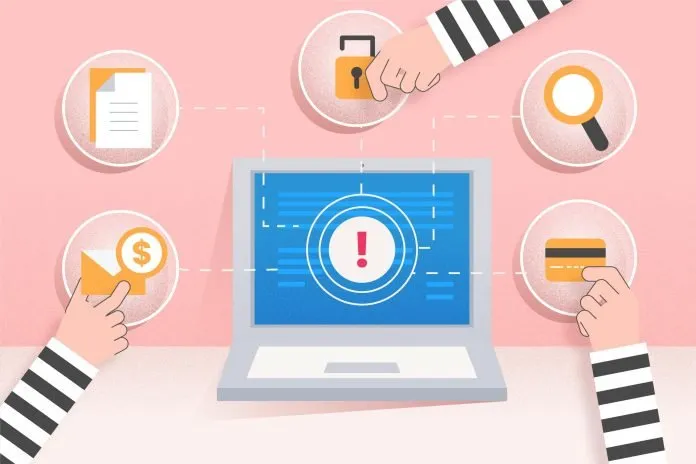
Chargebacks, disputes, and fraud workflows are core pillars of risk management in every fintech, PSP, acquirer, or merchant platform. Understanding how they work and how different regions handle them is essential for preventing losses, controlling merchant risk, and maintaining compliance with card schemes. This post explains all concepts clearly, with real-life examples from Germany, Sweden, USA, Brazil, Saudi Arabia, and Oman. 1. What Is a Chargeback? A chargeback occurs when a cardholder disputes a transaction with their issuing bank. The issuer forcibly reverses the payment and requests the funds back from the acquirer. Reasons include fraud (card-not-present transactions), goods or services not received, duplicate transactions, incorrect amount charged, subscription cancellation not respected, and merchant not responding to customer. Chargebacks are governed by Visa and Mastercard rules and strict timeframes. 2. What Is a Dispute? A dispute is the process that starts when a cardholder questions a transaction. Stages include: cardholder contacts issuer, issuer requests evidence from the acquirer, merchant provides proof (receipts, logs, screenshots), issuer makes final decision. If the merchant loses, a chargeback occurs. If the merchant wins, the dispute is closed in their favor. 3. Chargeback Reason Codes Every chargeback contains a scheme-specific code describing the reason. Common categories: fraud (unauthorized transactions), cardholder dispute (services not received), processing errors (duplicate, wrong amount), authorization errors, subscription and billing issues. Each reason code requires very specific documentation. 4. The Chargeback Flow (Step by Step)Customer files dispute with issuing bank Issuer temporarily refunds the customer Issuer sends a chargeback request to the acquirer Acquirer notifies the PSP or merchant Merchant submits compelling evidence (if applicable) Issuer reviews evidence Issuer decides: merchant wins, chargeback reversed; merchant loses, chargeback finalized Merchant may choose arbitration (expensive, rarely used)Timeframes vary from 30 to 120 days depending on the scheme. 5. Compelling Evidence Required Typical evidence packet includes delivery confirmation, signed receipt, IP address and device fingerprint, login logs, customer communication, proof of refund attempt, proof of service usage, subscription terms, and KYC details (if required). Merchants who keep better records have a much higher win rate. 6. Fraud vs Legitimate Disputes Two main types:Fraud chargebacks: stolen cards, card-not-present fraud, account takeover, synthetic identities Friendly fraud: a legitimate customer disputes a valid transactionFriendly fraud is extremely common in USA and Brazil. 7. Chargeback Ratios and Scheme Rules Each merchant must keep a low dispute ratio.Visa threshold: 0.9 percent disputes per total transactions Mastercard threshold: 1.0 percent disputes per total transactionsIf a merchant exceeds these, scheme fines apply, acquirer may terminate the merchant, rolling reserves increase, settlement delays increase, and stricter underwriting rules apply. Risky MCCs have higher monitoring (travel, subscriptions, electronics, gaming). 8. Rolling Reserves and Risk Holds Reserves are held to protect against chargebacks. Types include rolling reserve (5 percent held for 90 days), fixed reserve (upfront deposit), volume cap (merchant limited to daily max), and delayed settlement (instead of T+1 to T+7). High-risk merchants always have reserves. 9. Fraud Detection Tools Inside the Workflow Fraud prevention includes device fingerprinting, IP velocity rules, BIN country matching, 3DS authentication, address verification (AVS), behavioral biometrics, risk scoring, stolen card database checks, first-time user monitoring, and email or phone age checks. These tools reduce chargeback volume significantly. 10. 3DS and Risk Decisions 3DS helps shift liability from merchant to issuer. If 3DS is fully authenticated, issuer takes fraud responsibility and merchants win fraud disputes automatically. However, 3DS may reduce conversion in some markets such as USA and Brazil. 11. Merchant Monitoring and Risk Controls Acquirers track dispute ratio, fraud ratio, refund volume, ticket size changes, device anomalies, sudden spike in transaction count, and country mismatch patterns. Merchants with suspicious patterns may get higher reserves, paused settlements, full review, or immediate account closure. 12. Risk Thresholds for Different Regions Different markets behave differently: EU (Germany, Sweden) has low fraud due to strong authentication, USA has the highest friendly fraud globally and high chargeback ratios, Brazil has high ecommerce fraud and PIX reduces card disputes, Saudi Arabia and Oman have low fraud due to strict KYC and telecom validation. 13. Real-Life Examples (Across Countries) Example 1 — Germany (Electronics Merchant) A customer disputes a laptop purchase claiming item not received. Merchant submits DHL delivery confirmation, customer signature, and serial number activation logs. Issuer rules in favor of the merchant and the chargeback is reversed. Example 2 — Sweden (Subscription Platform) User claims they canceled a subscription but were charged. Merchant provides cancellation logs, usage logs after cancellation, timestamp of user login, and copy of contract terms. Issuer sees continued usage and the merchant wins. Example 3 — USA (Restaurant App Fraud) A stolen card is used to order food. Cardholder disputes. Acquirer requests evidence. Merchant cannot provide strong fraud checks. Chargeback approved and merchant absorbs the loss. Example 4 — Brazil (Online Store) Customer disputes a transaction claiming fraud. Merchant provides IP address, device fingerprint, and CPF-linked phone number verification. Issuer sees a device mismatch with customer’s profile and the merchant wins. Example 5 — Saudi Arabia (Hotel Booking) Customer claims service not provided. Hotel submits guest check-in record, ID copy, and signed registration card. Issuer rules in favor of the hotel. Example 6 — Oman (Travel Agency) Customer disputes a flight ticket purchase. Merchant provides e-ticket, verified passport details, and airline confirmation. Chargeback is reversed. 14. Summary Chargebacks protect consumers but create risk for merchants. Fraud, friendly fraud, and disputes require structured workflows. Schemes enforce strict limits (Visa 0.9 percent, Mastercard 1 percent). Evidence quality determines dispute outcomes. Regions behave differently: USA has high friendly fraud, EU has strong authentication. Merchants with high disputes face reserves, delayed settlement, or termination. This is a complete, ready-to-publish explanation of chargebacks, disputes, and fraud workflows in global fintech acquiring.

- BinaxPay Team
- 03 Dec, 2025
- 6 mins read
Core Banking Terms Every Fintech Must Know
Understanding essential core banking terminology is critical for anyone building, operating, or partnering with a fintech ecosystem. These terms form the foundation of how digital money moves, how accounts function, how compliance is enforced, and how financial infrastructure connects across countries. Below is a clear, practical guide to the most important core banking concepts, explained simply with real-life examples that show how they work in practice. 1. Ledger (Core Ledger System) The ledger is the central record of all balances, transactions, debits, credits, and account movements inside a fintech or bank. Why it matters: It ensures accuracy, prevents double spending, and keeps every user’s financial data synchronized. Real-Life Example: A user in Spain spends $20 using their BinaxPay virtual card. → The ledger instantly deducts $20 from their USD wallet and logs the transaction with timestamp, merchant ID, and remaining balance. 2. Safeguarding Accounts These are regulated bank accounts where user funds are held separately from the fintech’s operational money. Why it matters: Protects customers in case the fintech company has financial issues. Real-Life Example: A BinaxPay user deposits €500 into their account. → The funds are stored in an EU safeguarding account under their name, not mixed with company funds. 3. Reconciliation The process of matching internal ledger data with external bank statements, card processors, and PSP settlement reports. Why it matters: Ensures accuracy and detects any missing or failed transactions. Real-Life Example: BinaxPay receives a report from a mobile money PSP showing 1,000 payouts completed that day. → Reconciliation verifies all 1,000 appear in the internal ledger with correct status and amounts. 4. Settlement The movement of money between financial institutions to complete a transaction. Why it matters: It marks the moment money actually moves at the banking level. Real-Life Example: A merchant in Turkey receives a customer payment. → Funds are authorized immediately but settled into the merchant’s bank account the next morning. 5. Clearing The process of validating and routing a payment before it is settled. Why it matters: It checks transaction details, ensures the sender has funds, and prepares the transfer for settlement. Real-Life Example: When a user makes a SEPA transfer, the clearing system validates IBAN, amount, sender identity, and compliance before sending it for settlement. 6. Liquidity and Treasury Management Managing available funds to ensure payouts, transactions, and corridors always have enough liquidity. Why it matters: Without liquidity, even instant systems fail. Real-Life Example: BinaxPay allocates 100,000 KES to the Kenya pool. → When payouts are made to M-Pesa users, the pool decreases until it is topped up again. 7. FX (Foreign Exchange) Conversion between currencies, usually involving spreads, mid-market rates, and real-time pricing. Why it matters: FX is one of the biggest revenue streams for fintech companies. Real-Life Example: A user sends €100 from Germany to Nigeria. → BinaxPay converts this to NGN using internal FX pricing and delivers the payout instantly. 8. KYC (Know Your Customer) The identity verification process for individuals. Why it matters: Required by global AML laws and prevents fraud. Real-Life Example: A user signs up, uploads a passport, does a selfie check, and becomes verified in seconds. 9. KYB (Know Your Business) Verification of companies, shareholders, directors, and beneficial owners. Why it matters: Ensures only legally registered, legitimate businesses use the platform. Real-Life Example: A small business in Brazil joins BinaxPay. → The system checks its CNPJ, tax ID, owners’ documents, and verifies the company’s legitimacy. 10. AML (Anti-Money Laundering) Rules and processes designed to detect suspicious activity, fraud, or illegal financial behavior. Why it matters: Fintechs must comply with global AML regulations. Real-Life Example: A user suddenly receives 20 transfers from unrelated accounts. → The AML engine freezes the wallet and triggers manual review. 11. PEP and Sanctions Screening Identifying politically exposed persons and individuals or entities restricted by global sanctions. Why it matters: Financial institutions must avoid dealing with high-risk or sanctioned individuals. Real-Life Example: A user from South America registers. → The system detects the user’s last name matches a PEP list and assigns enhanced due diligence level. 12. Core Banking System (CBS) The main software powering accounts, ledgering, transactions, and compliance. Why it matters: This is the heart of any fintech. Real-Life Example: When 3,000 users send money at the same time, the CBS processes all transactions instantly with no downtime. 13. Card Issuing The process of creating virtual or physical cards linked to a user account. Why it matters: Essential for online payments, POS, and global spending. Real-Life Example: A user in the UAE creates a virtual card in 5 seconds and starts using it for online purchases immediately. 14. Payment Rails The technical and regulatory systems that move money (SEPA, Faster Payments, ACH, mobile money, card rails). Why it matters: Different markets require different rails for payments to work. Real-Life Example: BinaxPay uses SEPA in Europe, Faster Payments in the UK, ACH in the U.S., and mobile money rails in Africa. 15. Authorization vs. Capture Authorization checks if funds exist; capture finalizes the charge. Why it matters: Prevents accidental or fraudulent transactions. Real-Life Example: A hotel charges pre-authorization of $100 on a card, but only captures the final amount after checkout. 16. Chargebacks Customer disputes of card payments. Why it matters: Affects merchant revenue and compliance. Real-Life Example: A customer claims they never received a product. → The merchant must provide proof or lose the payment. 17. Webhooks Real-time notifications sent to platforms when an event happens. Why it matters: Used in payouts, settlements, merchant systems, and ERP integrations. Real-Life Example: A payout to a merchant succeeds. → A webhook notifies their system instantly. 18. Tokenization Replacing sensitive card data with a secure token. Why it matters: Protects users from fraud and keeps cards safe. Real-Life Example: A user pays with a virtual card on Amazon. → The card PAN is never exposed; only a secure token is used. 19. Balance Segmentation Separating user balances across wallets and currencies. Why it matters: Allows multi-currency accounts to operate independently. Real-Life Example: A user holds USD, GBP, and NGN in separate wallets without mixing funds. 20. Virtual Accounts and Sub-Accounts Unique bank-like identifiers used for routing, settlement, and tracking. Why it matters: Used for payroll, suppliers, and enterprise collections. Real-Life Example: A business assigns each customer a virtual account so payments are instantly matched to the correct user. Conclusion These 20 core banking terms form the essential vocabulary for understanding modern fintech infrastructure. Whether launching a digital bank, integrating mobile money, supporting cross-border payments, or running an ERP ecosystem, these concepts shape how money moves and how compliance, settlement, and scalability are achieved.

- BinaxPay Team
- 03 Dec, 2025
- 3 mins read
Enterprise Integration Partnership Model
The Enterprise Integration Partnership Model enables large companies, platforms, and global organizations to integrate directly into BinaxPay's infrastructure and unlock advanced financial capabilities at scale. This model is built for high-volume transaction environments — logistics, marketplaces, telecoms, gig platforms, fintechs, SaaS companies, and multi-country enterprises. BinaxPay provides the core financial engine, while the enterprise embeds these services seamlessly into its own products and workflows. 1. Deep Financial Integration Through Unified APIs Enterprises connect directly to BinaxPay using a full suite of APIs for:payouts (bank, mobile money, cards) collections (cards, mobile money, QR, bank rails) multi-currency wallets merchant settlement invoice automation FX services user wallet creation compliance and verification fraud scoring treasury managementReal Example A food delivery company integrates BinaxPay to pay tens of thousands of riders daily via mobile money in multiple countries. 2. Plug-and-Play Financial Services for Platforms Enterprises can embed:customer wallets business wallets virtual and physical cards subscription billing vendor payouts salary and contractor payments utility payments escrow workflows multi-currency invoicingAll inside their own application without building any financial infrastructure. 3. Multi-Rail Global Payout Capabilities Enterprises gain access to BinaxPay's combined rails:mobile money domestic bank transfers real-time payment systems card payouts wallet-to-wallet QR payoutsReal Example A ride-hailing app pays drivers in Ghana via MTN, in Kenya via M-Pesa, and in India via bank transfers — all with one integration. 4. Enterprise-Grade Onboarding & KYC/AML Automation Enterprises receive built-in regulatory compliance tools:onboarding flows for users and businesses AML screening sanctions checks risk scoring device fingerprinting behavior analysis automated suspicious activity detection audit trail loggingThis ensures enterprise operations remain compliant across all countries. 5. Real-Time Settlement & Payment Reconciliation The enterprise dashboard provides:instant settlement visibility payout confirmations merchant reconciliation FX and corridor reporting error logs & webhook events transaction-level trackingThis enables finance teams to manage global operations in real time. 6. Treasury & Liquidity Tools for Enterprise Operations Enterprises access advanced treasury tools:multi-currency balances corridor liquidity insights automated FX conversions treasury pool synchronization payout cost optimization bulk payout schedulingReal Example An enterprise automatically converts EUR → KES during peak payout times to reduce corridor cost. 7. Scalable Infrastructure for High-Volume Businesses BinaxPay can handle:millions of API calls per day large payout batches enterprise settlements marketplace disbursements high-frequency card transactions streaming paymentsThis guarantees stability even for the largest platforms. 8. Merchant & Vendor Settlement Solutions Enterprises can onboard and manage their own merchants or vendors:instant or scheduled settlement mobile money merchant payouts card acceptance QR acceptance enterprise fee control multi-level partner structuresReal Example An e-commerce platform settles daily to thousands of sellers across multiple countries. 9. Fraud & Risk Intelligence Integrated Into Enterprise Workflows Built-in enterprise-grade risk tools:real-time fraud scoring velocity checks IP/device validation corridor risk assessment card fraud monitoringSuspicious activity can be blocked automatically at the enterprise level. 10. Compliance & Reporting Tailored to Enterprise Needs Enterprises get advanced reporting such as:corridor-specific compliance logs high-value transaction flags tax reporting export reconciliation reports KYC/AML status reports audit-ready data snapshotsThis makes it easy to operate across multiple regions. 11. Flexible Branding Options Enterprise partners can choose:full white-label (their brand only) co-branded ("Powered by BinaxPay") hybrid models (their UI + our rails)The enterprise controls the user experience. 12. Ideal Use Cases for Enterprise Integration This model is perfect for:logistics networks ride-hailing apps marketplaces gig platforms telecommunications SaaS platforms digital banks financial super-apps educational platforms government systems corporate expense systemsCompanies that need multi-country financial operations benefit the most. Conclusion The Enterprise Integration Partnership Model gives large organizations the ability to embed advanced financial services — payouts, payments, cards, wallets, FX, compliance, treasury tools, and reporting — directly into their own systems. With scalable global rails, real-time capabilities, and a unified API architecture, BinaxPay becomes the financial engine behind enterprise growth across continents.

- BinaxPay Team
- 03 Dec, 2025
- 5 mins read
BinaxPay for Insurance Companies: Automated Claims Payouts to Customers
Insurance is built on one simple promise: When something goes wrong, we will be there – fast, clear and fair. But in reality, many insurers struggle with the most visible part of that promise: paying the claim quickly, transparently, and in a way the customer understands. Manual payout processes, slow internal approvals, scattered banking systems and unclear communication can turn even a valid claim into a negative experience. BinaxPay solves exactly this part: it turns claims payouts into a simple, automated and trustworthy flow for both the insurer and the customer. The Real Problem: Claims Are Approved – But Money Is Slow Most insurance companies already have:underwriting rules claims assessors internal approval workflowsThe real bottleneck often starts after the claim is approved:Claims teams send payout instructions manually to finance Finance uploads Excel lists to different banks or payment systems Each customer prefers a different payout method (bank account, card, wallet, etc.) International payouts require extra steps, FX and compliance checks Customers keep calling: "When will I receive my money?"This causes:delays in payouts high internal workload errors in account numbers or amounts bad customer experience, especially during stressful life eventsBinaxPay is designed to remove exactly this friction. What BinaxPay Does for Insurance Payouts BinaxPay becomes the central payout engine behind the insurance company. The insurer continues to decide:which claim is approved how much should be paid which documents are requiredBinaxPay then takes over the "how to pay" part. With BinaxPay, an insurance company can:send thousands of payout instructions in one secure file or via API pay customers directly to their bank account, card or wallet define different payout rules per product (health, travel, auto, life, property etc.) track the status of every payout in one dashboard see exactly what was paid, when, to whom, and through which channelFor the customer it simply feels like this: "My claim was approved – and the money arrived quickly in my account." Key Benefits for Insurance Companies 1. Faster Claims Experience Once a claim is approved, the payout can be:queued in BinaxPay within seconds processed in defined cycles (e.g. hourly, daily) routed through the most efficient payment methodThis can shorten payout timelines significantly. 2. Less Manual Work for Finance & Operations Before BinaxPay:claims and finance teams send emails back and forth payout batches are prepared manually each bank or provider has its own formatWith BinaxPay:all payout instructions follow one standard format finance team sees all outgoing payments on one platform reconciliation between "approved claims" and "paid claims" is automatedThis saves time, reduces stress, and lowers the risk of human error. 3. Clear Overview for Management & Auditors Insurance companies must prove:which claims were paid when they were paid through which method in which country or regionBinaxPay helps by providing:clear exports for finance and audit status tracking per payment (pending, paid, failed, returned) filters by product line (e.g. motor, health, travel) or regionThis makes internal and external audits much easier. 4. Flexible Payout Methods for Customers Different customers prefer different payout options:direct bank transfer to their account payout to a card payout to a digital wallet in some cases, pre-paid or virtual cardsBinaxPay allows the insurer to offer several options from one system, without having to integrate with multiple payment providers. Real-Life Example: Health & Travel Insurance Company Company type: mid-sized health & travel insurer Regions: serving customers in multiple countries Situation before BinaxPay:Claims were approved in the core insurance system Payouts were done via manual files to two different banks Travel claims (flight delays, luggage issues) often had small payouts, but high admin effort Customers frequently called or emailed to ask about payout statusInternal problems:Claims and finance teams were overloaded with manual work Small mistakes (typo in IBAN, wrong amount) caused rejections Customer satisfaction was falling, even though claims were valid and approvedAfter connecting to BinaxPay:The insurer connected its claims system to BinaxPay Every approved claim generated a payout instruction automatically Payouts were grouped by country and method, then processed through BinaxPay The company could choose: same-day payouts for urgent health or accident claims weekly batch payouts for smaller travel or luggage claimsCustomer experience changed dramatically:Many customers received payouts much faster after approval Support agents could instantly see whether a payment was sent and when Complaint volume about "late payments" dropped significantlyInternal results over time:Less manual time spent on payout-related tasks Fewer errors and returns Better NPS (customer satisfaction) scores, especially in claims journeysProduct-Wise Use: Different Lines, One Engine BinaxPay can support multiple insurance lines at once, for example:Motor insurance – payouts for repairs, total loss, rental car refunds Health insurance – reimbursement of medical bills or direct payouts Travel insurance – flight delay compensation, luggage, hotel issues Property insurance – payouts for damage to homes or offices Life & protection products – structured, verified payouts to beneficiariesEach product can have:its own payout rules its own limits its own approval flowsBut all of them use the same BinaxPay payout infrastructure in the background. Why This Matters to Customers When people file an insurance claim, they are often:stressed under time pressure emotionally sensitive (health, accident, damage, delays)They rarely say: "I’m impressed by your internal finance processes." They say: "They paid me quickly and without hassle." Or: "It took weeks and I had to keep calling them." BinaxPay helps insurers be on the right side of that sentence. Why This Matters to Investors & Partners For investors, strong claims and payout processes mean:predictable cash flow controllable operational risk repeatable, scalable processesWhen an insurer uses BinaxPay, it can:demonstrate clear payout metrics show reliable performance reports per country and product expand to new regions without redesigning payout logic from scratchPartners such as banks, reinsurers or large brokers also value:auditable, structured payouts transparent settlement flowsThis makes the insurer a more attractive partner in the long-term. Summary: What BinaxPay Delivers to Insurance Companies "BinaxPay for Insurance Companies: Automated Claims Payouts to Customers" means:Faster payouts once a claim is approved Less manual work and fewer errors for claims & finance teams One central platform for all payout types and regions Clear tracking and reporting for management, regulators and auditors A better, more human experience for the customer at the moment that matters mostInstead of fighting with spreadsheets, bank portals and manual status checks, the insurer can focus on what truly defines its brand:fair products clear communication and fast, reliable claim paymentsBinaxPay quietly runs the payout engine in the background — so the insurance company can keep its promise in the foreground.