Showing Posts From
Chargebacks
-
 BinaxPay Team
 - 04 Dec, 2025
- 5 mins read
Chargebacks, Disputes & Fraud Workflows
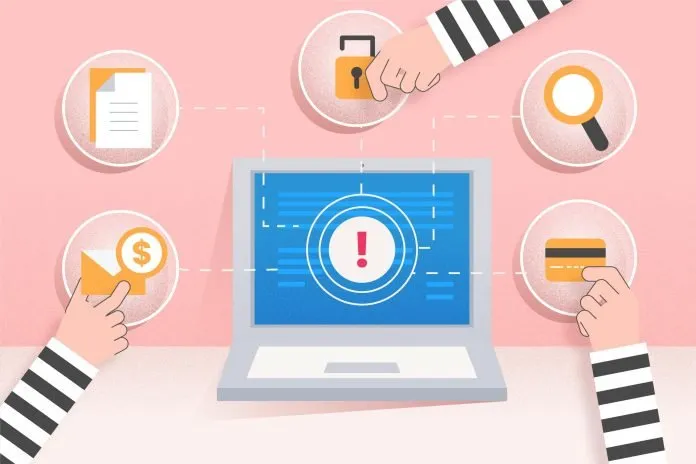
Chargebacks, disputes, and fraud workflows are core pillars of risk management in every fintech, PSP, acquirer, or merchant platform. Understanding how they work and how different regions handle them is essential for preventing losses, controlling merchant risk, and maintaining compliance with card schemes. This post explains all concepts clearly, with real-life examples from Germany, Sweden, USA, Brazil, Saudi Arabia, and Oman. 1. What Is a Chargeback? A chargeback occurs when a cardholder disputes a transaction with their issuing bank. The issuer forcibly reverses the payment and requests the funds back from the acquirer. Reasons include fraud (card-not-present transactions), goods or services not received, duplicate transactions, incorrect amount charged, subscription cancellation not respected, and merchant not responding to customer. Chargebacks are governed by Visa and Mastercard rules and strict timeframes. 2. What Is a Dispute? A dispute is the process that starts when a cardholder questions a transaction. Stages include: cardholder contacts issuer, issuer requests evidence from the acquirer, merchant provides proof (receipts, logs, screenshots), issuer makes final decision. If the merchant loses, a chargeback occurs. If the merchant wins, the dispute is closed in their favor. 3. Chargeback Reason Codes Every chargeback contains a scheme-specific code describing the reason. Common categories: fraud (unauthorized transactions), cardholder dispute (services not received), processing errors (duplicate, wrong amount), authorization errors, subscription and billing issues. Each reason code requires very specific documentation. 4. The Chargeback Flow (Step by Step)Customer files dispute with issuing bank Issuer temporarily refunds the customer Issuer sends a chargeback request to the acquirer Acquirer notifies the PSP or merchant Merchant submits compelling evidence (if applicable) Issuer reviews evidence Issuer decides: merchant wins, chargeback reversed; merchant loses, chargeback finalized Merchant may choose arbitration (expensive, rarely used)Timeframes vary from 30 to 120 days depending on the scheme. 5. Compelling Evidence Required Typical evidence packet includes delivery confirmation, signed receipt, IP address and device fingerprint, login logs, customer communication, proof of refund attempt, proof of service usage, subscription terms, and KYC details (if required). Merchants who keep better records have a much higher win rate. 6. Fraud vs Legitimate Disputes Two main types:Fraud chargebacks: stolen cards, card-not-present fraud, account takeover, synthetic identities Friendly fraud: a legitimate customer disputes a valid transactionFriendly fraud is extremely common in USA and Brazil. 7. Chargeback Ratios and Scheme Rules Each merchant must keep a low dispute ratio.Visa threshold: 0.9 percent disputes per total transactions Mastercard threshold: 1.0 percent disputes per total transactionsIf a merchant exceeds these, scheme fines apply, acquirer may terminate the merchant, rolling reserves increase, settlement delays increase, and stricter underwriting rules apply. Risky MCCs have higher monitoring (travel, subscriptions, electronics, gaming). 8. Rolling Reserves and Risk Holds Reserves are held to protect against chargebacks. Types include rolling reserve (5 percent held for 90 days), fixed reserve (upfront deposit), volume cap (merchant limited to daily max), and delayed settlement (instead of T+1 to T+7). High-risk merchants always have reserves. 9. Fraud Detection Tools Inside the Workflow Fraud prevention includes device fingerprinting, IP velocity rules, BIN country matching, 3DS authentication, address verification (AVS), behavioral biometrics, risk scoring, stolen card database checks, first-time user monitoring, and email or phone age checks. These tools reduce chargeback volume significantly. 10. 3DS and Risk Decisions 3DS helps shift liability from merchant to issuer. If 3DS is fully authenticated, issuer takes fraud responsibility and merchants win fraud disputes automatically. However, 3DS may reduce conversion in some markets such as USA and Brazil. 11. Merchant Monitoring and Risk Controls Acquirers track dispute ratio, fraud ratio, refund volume, ticket size changes, device anomalies, sudden spike in transaction count, and country mismatch patterns. Merchants with suspicious patterns may get higher reserves, paused settlements, full review, or immediate account closure. 12. Risk Thresholds for Different Regions Different markets behave differently: EU (Germany, Sweden) has low fraud due to strong authentication, USA has the highest friendly fraud globally and high chargeback ratios, Brazil has high ecommerce fraud and PIX reduces card disputes, Saudi Arabia and Oman have low fraud due to strict KYC and telecom validation. 13. Real-Life Examples (Across Countries) Example 1 — Germany (Electronics Merchant) A customer disputes a laptop purchase claiming item not received. Merchant submits DHL delivery confirmation, customer signature, and serial number activation logs. Issuer rules in favor of the merchant and the chargeback is reversed. Example 2 — Sweden (Subscription Platform) User claims they canceled a subscription but were charged. Merchant provides cancellation logs, usage logs after cancellation, timestamp of user login, and copy of contract terms. Issuer sees continued usage and the merchant wins. Example 3 — USA (Restaurant App Fraud) A stolen card is used to order food. Cardholder disputes. Acquirer requests evidence. Merchant cannot provide strong fraud checks. Chargeback approved and merchant absorbs the loss. Example 4 — Brazil (Online Store) Customer disputes a transaction claiming fraud. Merchant provides IP address, device fingerprint, and CPF-linked phone number verification. Issuer sees a device mismatch with customer’s profile and the merchant wins. Example 5 — Saudi Arabia (Hotel Booking) Customer claims service not provided. Hotel submits guest check-in record, ID copy, and signed registration card. Issuer rules in favor of the hotel. Example 6 — Oman (Travel Agency) Customer disputes a flight ticket purchase. Merchant provides e-ticket, verified passport details, and airline confirmation. Chargeback is reversed. 14. Summary Chargebacks protect consumers but create risk for merchants. Fraud, friendly fraud, and disputes require structured workflows. Schemes enforce strict limits (Visa 0.9 percent, Mastercard 1 percent). Evidence quality determines dispute outcomes. Regions behave differently: USA has high friendly fraud, EU has strong authentication. Merchants with high disputes face reserves, delayed settlement, or termination. This is a complete, ready-to-publish explanation of chargebacks, disputes, and fraud workflows in global fintech acquiring.

- BinaxPay Team
- 29 Nov, 2025
- 4 mins read
BinaxPay for E-Commerce Stores: Checkout, Settlements & FX Made Simple
Running an e-commerce store today means dealing with much more than products, ads, and a nice website. In the background, three things decide if the business is really healthy:How smooth the checkout is How clear and fast settlements are How transparent and fair FX is when you sell internationallyIf one of these parts is weak, it affects everything: conversion, cashflow, profit, and investor confidence. BinaxPay is built to make these three parts simple and reliable: checkout, settlements, and FX for online stores in one system. The real problems e-commerce stores face with payments Most online stores, even successful ones, struggle with:Multiple payment providers for different countries Separate dashboards for cards, wallets, and local payment methods Spreadsheets to match orders, fees, refunds, and payouts Delayed or unclear payouts from providers Complicated refunds and chargebacks Hidden or unpredictable FX costs on international salesThat leads to:Stress for finance and back-office teams No clear view of real margins per country or payment method Frustration for customers if refunds are slow or unclear Weak reporting when speaking with banks or investorsBinaxPay solves this by giving e-commerce stores one clear financial backbone for all payments. What BinaxPay does for e-commerce stores With BinaxPay, an e-commerce store can:Accept cards, wallets, and other payment methods through one platform See all transactions in a single dashboard, across countries and currencies Receive structured settlements on a predictable schedule Understand FX rates and spreads instead of guessing Trigger refunds directly from one place Generate reports that work for management, finance, and investorsThe goal is simple: less complexity behind the scenes and more focus on growth, customers, and brand. A checkout that builds trust The checkout page is where customers decide if they trust the store enough to pay. With BinaxPay, online stores can offer a checkout that is:Clean, simple, and clear Supporting the right payment methods for target markets Able to show prices in local currencies when needed Running on compliant payment infrastructureThis leads to fewer abandoned carts, higher conversion, and stronger trust. Settlements without confusion Every order creates a gross amount, fees, possible FX costs, and sometimes a refund. With BinaxPay:All payments are collected in one platform Fees are clearly visible per transaction Payout cycles can be daily or weekly Refunds link to the original transactionFinance gets a clear view of gross sales, total fees, net payouts, and open transactions. Management gets clean numbers for planning and investor updates. FX made transparent When a store sells across borders, FX can quietly eat into margins. BinaxPay helps by:Making FX rates and spreads visible Showing revenue per country and currency Clarifying what remains after fees and FXThis turns international expansion from a guess into a calculated strategy. Refunds and disputes managed professionally Refunds and disputes are unavoidable. The difference is whether they are handled in a structured way. With BinaxPay:Support can see whether a payment was successful, pending, or failed Refunds can be triggered directly from the platform Every step is logged and traceableThis reduces support time, customer frustration, and negative reviews caused by unclear refunds. Real-life example: mid-sized e-commerce brand Business type: home and lifestyle online store. Markets: multiple international regions. Volume: consistent daily order flow. Before BinaxPay:One provider for card payments Another setup for wallets and alternative methods Extra integrations for local payment options Finance matched orders and payments in spreadsheets FX impact on international orders was estimatedMain problems were lack of a single source of truth, unclear profitability per country, difficult month-end closing, and slow refunds. After integrating BinaxPay:All payments ran through one platform Checkout was unified with optional local currency display Finance had one central reporting tool Refunds were managed against the original transaction FX impact was clearly broken down by country and currencyResults over time:Clear view of margins by market Better understanding of payment method performance Reduced time for month-end closing Faster refunds and higher trustWhy this matters for growing e-commerce brands Once a store sells in multiple countries, uses several payment methods, and reaches serious volume, payments and settlements become strategic. BinaxPay helps brands treat payments as core infrastructure, keep visibility over revenue, fees, and FX, and scale into new markets without losing control of the numbers. What investors like about this setup Investors value clean data and predictable cashflow. With BinaxPay, a store can show:Revenue by country, method, and currency Net income after fees and FX Refund and chargeback ratios over timeThat builds confidence and makes future funding or partnerships easier. Summary: what BinaxPay delivers to e-commerce BinaxPay for e-commerce stores means a trusted checkout, clear settlements, and transparent FX. It reduces manual work for finance and support, and improves control over growth and profitability. Instead of many disconnected payment tools, e-commerce brands get one unified financial platform. The team can focus on products, customers, and expansion while BinaxPay handles money flow and currency logic in the background.