Showing Posts From
Payments

-
 BinaxPay Team
 - 15 Feb, 2026
- 4 mins read
The Full BinaxPay Capability Map: What Our Platform Can Deliver
BinaxPay is designed as a complete global financial infrastructure, one unified system that connects users, businesses, merchants, governments, and local financial operators across multiple continents. Our capabilities go far beyond simple accounts and payments. We deliver a full-stack ecosystem that includes core financial tools, business systems, AI-driven intelligence, local market connectivity, compliance automation, and global money-movement functions. The following capability map breaks down everything the BinaxPay platform can deliver today, along with real-life scenarios that show how these capabilities work across different markets. 1. Global Accounts and Multi-Currency Wallets Users and businesses can hold balances in multiple currencies, send and receive payments, convert money, and store value securely. Capabilities:Multi-currency wallets Personal and business account structure Internal transfers Global top-up methods Virtual accounts for receiving payments Scheduled and recurring transfersReal example: A freelancer in Kenya receives payments in EUR, GBP, and USD, all stored inside their BinaxPay wallet. They withdraw instantly to M-Pesa whenever needed. 2. Cards and Global Spending BinaxPay provides card solutions that work internationally for users and businesses. Capabilities:Virtual cards Physical cards Merchant card acceptance Real-time card controls (freeze, limits, categories) Global online spendingReal example: A user in Ghana creates a virtual card and pays for a Netflix or Amazon subscription instantly without needing a traditional bank. 3. Payments and Transfers (Local and Global) Local and international transfers are processed instantly through synchronized treasury pools. Capabilities:Instant local payouts Mobile money integration Local bank transfers Internal wallet-to-wallet transfers Global corridor payouts Real-time incoming paymentsReal example: A worker in the UK sends 20 GBP to Nigeria, NGN arrives instantly through local payout rails without any cross-border bank movement. 4. FX Conversion and Corridor Pricing BinaxPay performs fast, low-cost FX conversions internally through the ledger. Capabilities:Internal FX engine Multi-currency pricing Corridor-based FX rules Real-time conversion Reduced spread vs traditional banksReal example: A user converts 50 EUR to INR instantly without the high spreads normally charged by banks or remittance providers. 5. Mobile Money Connectivity Mobile money is deeply integrated into the system for Africa and Asia. Capabilities:Cash-in through mobile money Cash-out to mobile money Merchant acceptance via mobile money QR and USSD payment support Real-time transfer to walletsReal example: A delivery driver in Uganda receives daily earnings in UGX via MTN MoMo instantly after each shift. 6. Merchant Services and Payment Acceptance BinaxPay allows businesses to accept payments globally and settle locally. Capabilities:Merchant dashboards Settlement accounts Online payment processing Mobile money merchant acceptance Recurring billing and subscription tools QR-code paymentsReal example: A small grocery store in Nairobi accepts payments via QR, mobile money, or card, all settled instantly to their BinaxPay merchant wallet. 7. Business Tools (ERP and Operations Ecosystem) BinaxPay contains a full suite of business tools for SMEs and enterprises. Capabilities:CRM HR and payroll Inventory management Sales and POS system Invoice creation and B2B payments Financial reports Supplier and vendor paymentsReal example: A shop in Mexico uses BinaxPay’s POS and inventory system to manage stock, receive card payments, pay staff, and view their daily cash flow in one dashboard. 8. AI-Driven Infrastructure and Automation AI enhances every part of the ecosystem. Capabilities:Intelligent fraud detection Automated AML scoring Behavior-based risk modeling Predictive liquidity balancing AI assistant for users and businesses AI-driven customer support AI-based financial planningReal example: A suspicious pattern of repeated low-value transfers triggers an automated AI review that prevents fraud before it happens. 9. Compliance, Risk, and Security Framework BinaxPay is built on strict international compliance and full data protection. Capabilities:Global KYC verification Local KYC for each country AML transaction screening PEP and sanctions monitoring Full audit logs Behavioral risk modeling Secure data encryption Device fingerprintingReal example: A new user from India is instantly verified using local ID checks, face match, sanctions screening, and risk scoring. 10. Country-Level Expansion and Localization The platform adapts to the needs of each partner country. Capabilities:Local language Local currency Local KYC rules Local payout rails Mobile money integration Local merchant tools Agent network support Localized fees and FX rulesReal example: In Uganda, users can withdraw funds through mobile money, cash agents, or bank transfer, all using the Uganda liquidity pool. 11. Joint-Venture and Partnership Capabilities BinaxPay supports governments, local operators, and enterprise partners. Capabilities:Local operator dashboards National corridor management Revenue sharing Liquidity pooling Government integration modules Telecom and bank integrationsReal example: A partner in LATAM operates the local corridor, managing onboarding, local payouts, business clients, and local treasury, while receiving shared revenue. 12. Global Money Movement Architecture BinaxPay supports multi-directional global corridors without cross-border transfers. Capabilities:EU to Africa Africa to Asia US to LATAM UK to Middle East Cross-continent merchant settlement Instant local payouts in each marketReal example: A user in the Philippines receives PHP within seconds when someone sends money from Canada, because the payout is made from the Philippines pool. Conclusion The BinaxPay platform delivers a full-scale financial ecosystem that covers everything from personal accounts to enterprise tools, merchant payments, global corridors, mobile money, AI infrastructure, local connectivity, and joint-venture capabilities. It operates globally but behaves locally. Fast, compliant, scalable, and capable of supporting millions of users across dozens of markets.

- BinaxPay Team
- 15 Feb, 2026
- 4 mins read
End-to-End Digital Banking Capabilities for Global Markets
BinaxPay delivers a complete digital banking ecosystem designed to operate across multiple continents, currencies, and market environments. Our infrastructure provides everything users, merchants, businesses, and partners need to run modern financial operations, fully digital, fully compliant, and fully localized for each country. These capabilities cover account management, payments, cards, FX, mobile money, business tools, compliance, AI intelligence, and multi-country expansion. Below is the full capability breakdown with real-life examples. 1. Multi-Currency Accounts for Users and Businesses BinaxPay provides personal and business accounts that support global currencies. Capabilities:Multi-currency wallets Local and global account structures Internal wallet-to-wallet transfers Stable value storage Local currency balances Scheduled transfersReal example: A business in Dubai operates in AED, but receives payments in EUR and USD from Europe and the US, all managed inside BinaxPay without needing multiple bank accounts. 2. Card Issuing and Global Spending Tools BinaxPay supports global spending through virtual and physical card programs. Capabilities:Instant virtual cards Physical debit cards Card controls (freeze, limits, region lock) International online spending Merchant card acceptance Card-linked subscriptionsReal example: A student in Nigeria creates a virtual card and pays for online learning platforms like Coursera or Udemy instantly. 3. Payments and Transfers Across Continents BinaxPay processes transfers instantly using synchronized treasury pools and local settlement. Capabilities:Instant local transfers Mobile money payouts Bank transfers in each country Internal multi-currency transfers Cross-continent settlement Scheduled paymentsReal example: A worker in Canada sends money to the Philippines. PHP is delivered instantly from the local pool without sending international wires. 4. Cash-In and Cash-Out Through Local Rails Deposits and withdrawals happen locally in every market. Capabilities:Mobile money cash-in and cash-out Local bank transfers PSP agent networks QR-based deposits Merchant cash-in points Agent withdrawalsReal example: A user in Kenya deposits KES at a local agent, wallet updates instantly, can spend online or cash-out anytime. 5. Mobile Money Integration Across Africa and Asia Mobile money is fully integrated into the BinaxPay system. Capabilities:MTN, Airtel, M-Pesa, bKash, GCash QR-code payments Merchant acceptance Wallet-to-wallet USSD support Instant settlementReal example: A taxi driver receives daily earnings via M-Pesa and can send funds to relatives in the UK instantly. 6. FX Conversion and Global Currency Routing BinaxPay performs internal FX conversions for low-cost corridor pricing. Capabilities:Real-time FX conversion Multi-currency pricing Corridor-based FX rules Instant execution Reduced spreads vs banksReal example: A user converts 30 GBP to INR instantly with better rates than traditional banks. 7. Merchant and Business Payment Ecosystem BinaxPay offers advanced tools for SMEs, enterprises, and merchants. Capabilities:Merchant wallets POS integration Invoice creation and payments Subscription billing QR-code acceptance Settlement dashboardsReal example: An online shop in Brazil accepts BRL payments and receives settlement instantly inside their BRL merchant wallet. 8. Business ERP and Financial Tools BinaxPay includes a full set of business tools to help companies operate more efficiently. Capabilities:HR and payroll CRM POS and retail management Inventory management Supplier payment tools Financial analyticsReal example: A restaurant in Ghana manages sales, staff salaries, supplier payments, and daily cash flow directly from the BinaxPay dashboard. 9. AI Intelligence Built Into the Platform AI enhances security, operations, and user experience. Capabilities:Intelligent fraud monitoring Automated AML scoring User behavior analysis Transaction prediction Liquidity forecasting AI-driven customer support Business insights for SMEsReal example: AI flags a suspicious user attempting repeated small transfers to multiple numbers, blocking fraud before it happens. 10. Compliance and Security for Global Operations BinaxPay maintains strict compliance for every country and corridor. Capabilities:Identity verification Global and local KYC AML checks PEP and sanctions screening Transaction monitoring Audit logs Device tracking and encryptionReal example: A new user in India is verified instantly through ID match, face match, local database checks, and sanctions screening. 11. Local Market Adaptation and Expansion BinaxPay adapts to each country’s requirements and financial ecosystem. Capabilities:Local language and currency Local KYC formats Local settlement rails Local merchant networks Local agent networks Localized pricingReal example: In Nigeria, users can withdraw instantly through bank transfer or agent networks depending on their preference. 12. Global Corridor Power Without Cross-Border Transfers BinaxPay enables global payouts instantly using synchronized liquidity pools. Capabilities:EU to Africa Africa to Asia US to LATAM UK to Middle East Intra-Africa and intra-Asia payouts Multi-continent merchant settlementReal example: A worker in the UAE sends money to India. INR arrives instantly because the payout comes from the India pool, not from the UAE. Conclusion BinaxPay provides full end-to-end digital banking capabilities for global markets. Users, merchants, businesses, and partners benefit from multi-currency accounts, global spending tools, instant transfers, local cash-in and cash-out, FX and corridor pricing, merchant systems, ERP tools, AI intelligence, multi-country compliance, and real-time global settlement. A unified digital banking ecosystem that works globally and settles locally.

- BinaxPay Team
- 15 Feb, 2026
- 4 mins read
Card Issuing Capabilities: Virtual, Physical, and Program Management
BinaxPay provides a complete card issuing infrastructure that supports virtual cards, physical cards, merchant acceptance, spend controls, and global digital commerce. Users and businesses can create, manage, and use cards instantly across multiple currencies and markets. Our card ecosystem is designed for global usage while offering full control, real-time security, and seamless integration with wallets, payments, and business tools. 1. Instant Virtual Card Issuing Virtual cards can be created instantly for online spending, subscriptions, and secure digital payments. Capabilities:Instant card generation Unique card numbers for each user Multiple virtual cards per account Card-by-card spending limits Category restrictions (online-only) Real-time freeze and unfreeze Disposable one-time-use cardsReal example: A user in Egypt creates a virtual card to pay for advertising on Meta and Google, without needing an international bank account. 2. Physical Debit Cards for Global Spending BinaxPay issues physical debit cards that work online, in-store, and internationally. Capabilities:Tap-to-pay contactless cards Global ATM withdrawal support Chip and PIN security Reissuance and replacement Global merchant acceptance Travel-friendly spending controlsReal example: A user in Kenya receives a physical card and uses it while traveling in Turkey to pay for hotel and restaurant expenses directly from their USD or EUR wallet. 3. Multi-Currency Card Spend Cards can draw from multiple wallets, enabling flexible spending across currencies. Capabilities:Automatic currency selection Priority wallet rules (spend USD first) Instant FX conversion at optimized rates Global merchant acceptance Real-time balance updatesReal example: A customer books a flight on a European website using their EUR wallet, even though they live in Ghana. 4. Merchant and Business Card Programs Businesses can issue cards to employees, teams, and departments for operational efficiency. Capabilities:Staff cards with pre-set limits Department-level budget cards Virtual cards for online purchases Subscription cards for recurring services Expense tracking and reconciliations Card-level analyticsReal example: A logistics company in Mexico issues virtual cards to drivers for fuel purchases, with daily limits and full transaction visibility. 5. Advanced Spend Controls and Security Tools Users and businesses can manage every aspect of card usage in real time. Capabilities:Freeze and unfreeze Change limits anytime Region-specific spending rules Merchant-category restrictions Transaction alerts Biometric authorization Device binding Anti-fraud monitoringReal example: A user receives a transaction alert for a suspicious online charge and freezes their card instantly from the app. 6. Subscription and Online Commerce Optimization Virtual cards are ideal for managing subscriptions or online purchases. Capabilities:Subscription-specific virtual cards Auto-renewal management Spending caps for online merchants Disposable temporary cards for one-time purchasesReal example: A user creates a separate virtual card for Netflix and Spotify so they can monitor and control all subscription payments easily. 7. Global Acceptance and E-Commerce Enablement Cards can be used in nearly every country for online checkout, mobile app payments, point-of-sale retail purchases, travel bookings, hotel reservations, and marketplace platforms. Real example: A merchant in India uses a BinaxPay virtual card to verify and activate accounts on major advertising platforms like TikTok Ads and Google Ads. 8. Full Card Program Management for Partners BinaxPay enables partners, enterprises, and JV operators to manage their own card programs. Capabilities:Partner-level card issuing Customizable card limits and policies Revenue sharing on card transactions Program-level analytics Multi-country rollout Corporate bulk issuanceReal example: A partner in LATAM launches a local card program where users receive virtual cards linked to USD, MXN, and BRL wallets, managed entirely within their operator dashboard. 9. Compliance and Fraud Protection Built Into Cards Every card transaction passes automated checks. Capabilities:AML monitoring Device fingerprinting Behavioral scoring Sanctions and high-risk merchant checks Fraud detection models Instant dispute handling Secure tokenization for sensitive dataReal example: A fraudulent attempt at an international gaming website is blocked automatically due to behavior-based risk scoring. Conclusion BinaxPay's card issuing ecosystem includes virtual cards, physical cards, business card programs, multi-currency spending, global merchant acceptance, advanced security controls, and partner-level card management. Cards work seamlessly with wallets, FX, payments, mobile money, and merchant systems, giving users and businesses a complete global spending solution with real-time control and full compliance.
- BinaxPay Team
- 15 Feb, 2026
- 3 mins read
Merchant Services: Acquiring, Settlement & Business Payments
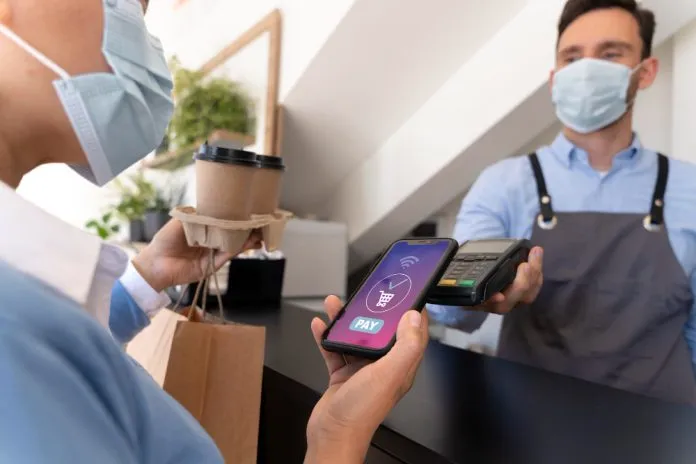
BinaxPay provides a complete merchant services infrastructure that enables businesses, small, medium, and enterprise, to accept payments globally, get settled instantly, pay suppliers, manage cash flow, and operate across multiple currencies and markets. The system is designed for retail, e-commerce, logistics, hospitality, digital platforms, and high-volume operators that need reliable and scalable financial operations. 1. Global and Local Payment Acceptance Merchants can accept payments from customers through multiple channels. Capabilities:Mobile money payments Local bank transfers International EUR, GBP, and USD payments QR code payments USSD and agent payments Payment links for online merchants POS and card payments Wallet-to-merchant transfersReal example: A restaurant in Kenya accepts mobile money and card payments from customers, with all settlements handled through a single BinaxPay merchant wallet. 2. Instant and Scheduled Merchant Settlement Merchants receive their funds instantly or according to their preferred settlement schedule. Capabilities:Instant settlement (seconds) Hourly, daily, or weekly settlement rules Split settlements between multiple recipients Settlement in local or foreign currency Settlement directly to wallets, banks, or mobile moneyReal example: A ride-hailing app settles driver earnings every evening while keeping its commission in USD and paying drivers in local currency automatically. 3. Payment Links and Online Checkout Tools Businesses can accept online payments without building a full website. Capabilities:One-time payment links Recurring billing links Invoice payment links Donation and payment buttons for social media Custom payment pages with brandingReal example: A freelance designer in Turkey sends a payment link to a client in Germany and receives the EUR payment instantly. 4. POS and In-Store Merchant Solutions Physical retailers can accept payments using POS integrations. Capabilities:Mobile POS QR-based checkout Tap-to-pay acceptance Multi-operator POS setup Cash-register integration Unified store reportingReal example: A boutique store in Mexico uses a BinaxPay POS terminal to accept card payments and mobile wallet payments simultaneously. 5. Marketplace and Platform Merchant Management Platforms can onboard and manage thousands of merchants. Capabilities:Merchant onboarding Commission and fee settings Split payments (platform and merchant) Automated partner settlements Transaction reporting at merchant level Multi-merchant wallet managementReal example: A food delivery platform uses BinaxPay to collect customer payments and automatically split revenue between restaurants and drivers. 6. Business Payments and Supplier Settlements Merchants can pay suppliers, freelancers, and vendors locally or globally. Capabilities:Supplier payments Recurring invoice payments Subscription billing Bulk payouts Cross-border B2B payments Internal wallet transfersReal example: A hotel in UAE pays suppliers in India, Turkey, and Egypt, in their local currencies, from one dashboard. 7. Integrated FX for Merchant Operations FX tools allow merchants to manage funds across borders and pay in multiple currencies. Capabilities:Convert revenue instantly Hold multi-currency balances Pay suppliers in foreign currencies Receive EUR, GBP, USD and withdraw locallyReal example: A digital company in Ghana receives USD from clients and instantly converts part of it to GHS to pay salaries. 8. Merchant Reporting, Analytics, and Reconciliation All merchant transactions are tracked and reconciled automatically. Capabilities:Sales reporting FX reporting Reconciliation with bank and mobile money payments Settlement timelines Refund tracking Downloadable financial reportsReal example: A supermarket chain with 20 stores uses a single dashboard to view all mobile money, POS, card, and bank transfer sales. 9. Merchant Compliance and Risk Controls Merchants are monitored continuously to maintain safe and compliant operations. Capabilities:KYC and KYB onboarding Merchant category risk scoring Refund ratio monitoring Fraud detection Suspicious merchant activity alerts Settlement risk rulesReal example: A merchant in LATAM showing unusually high refund patterns is automatically flagged for review before settlement is released. Conclusion BinaxPay’s merchant services include acquiring, settlement, online checkout, payment links, POS integrations, supplier payments, FX tools, and enterprise reconciliation. This unified system enables merchants across Africa, Asia, LATAM, the EU, UK, and US to operate globally while receiving fast, secure, and compliant financial services tailored to their local market needs.

- BinaxPay Team
- 15 Feb, 2026
- 4 mins read
Multi-Currency Accounts & Global IBAN Infrastructure
BinaxPay provides a unified global account system where users and businesses can hold, receive, send, convert, and manage funds across multiple currencies, all inside one platform. This structure removes the need for multiple bank accounts, simplifies international financial operations, and gives every user access to global payment rails combined with instant local settlement. Below is a full capability breakdown with real-life examples. 1. Multi-Currency Wallet System Users and businesses can store and manage balances in multiple currencies simultaneously. Capabilities:EUR, GBP, USD, and local currency wallets Instant internal transfers Separate wallets for personal and business needs Unified balance view Multi-currency spending support Local currency storage for each partner countryReal example: A digital consultant in Kenya holds EUR from EU clients, GBP from UK clients, USD from US clients, and KES for local spending, all inside the same BinaxPay account. 2. Global IBAN and Account Infrastructure BinaxPay provides global account details so users and businesses can receive payments worldwide. Capabilities:Personal IBANs for EUR Business IBANs for EU and UK payments GBP account numbers for UK Faster Payments USD account details for receiving domestic US payments Dedicated receiving accounts for businesses Invoice-ready payment details Compliance-aligned structure for international useReal example: A freelancer in Poland receives 1,200 EUR from a German company directly into their BinaxPay EUR IBAN. Funds appear instantly in the EUR wallet. 3. Cross-Currency Receiving Power Users can receive money from abroad without needing separate bank accounts. Capabilities:Receive EUR from EU companies Receive GBP from the UK Receive USD from the US Receive local currency from partner countries Receive payments from marketplaces and platformsReal example: A small business in Mexico sells services online in the US and EU, receiving USD into their USD wallet and EUR into their EUR wallet automatically. 4. Multi-Currency Spending and Payment Tools Balances can be used for global spending, transfers, or business operations. Capabilities:Internal transfers between wallets Automated FX conversion Multi-currency card spending Invoice payments Merchant payments B2B settlementsReal example: A user in Ghana pays for a service priced in GBP using their GBP wallet, avoiding unnecessary FX fees. 5. Built-In FX Conversion at Better Rates BinaxPay performs internal FX conversions for all supported currencies. Capabilities:Instant FX Corridor-based FX pricing Lower spread vs banks Transparent conversion rulesReal example: A user converts 30 EUR to USD instantly for an online purchase, saving money compared to traditional bank FX rates. 6. Global to Local Routing With Local Payout Rails Money received in global currencies can be delivered locally in any partner country. Capabilities:EU to Africa payouts UK to Asia payouts US to LATAM payouts Mobile money delivery Local bank delivery Agent withdrawalReal example: A user in the UK sends 50 GBP to the Philippines. PHP is delivered instantly from the Philippines pool through local payout rails. 7. Business Accounts for International Operations BinaxPay supports global and local business operations in one system. Capabilities:Multi-currency business wallets International receiving accounts Mass payouts Invoice payments Staff and supplier payments POS and merchant integrationReal example: A company in UAE receives USD from American customers, EUR from Germany, and AED locally, all managed in one dashboard without external banks. 8. Compliance and Security for Global Accounts Multi-currency accounts and IBANs come with full security and regulatory protection. Capabilities:Identity verification AML checks Sanctions screening Transaction monitoring Audit logs Device fingerprinting Encrypted account detailsReal example: A new business client from India is verified within minutes through ID checks, company verification, and compliance screening. 9. Multi-Continent Expansion With Local Currency Support BinaxPay supports local currencies and local payouts in emerging markets. Capabilities:Africa: UGX, KES, GHS, NGN LATAM: MXN, BRL Asia: INR, PHP, PKR Middle East: AEDReal example: A user receives USD from abroad and instantly withdraws the equivalent in INR via local bank transfer in India. Conclusion BinaxPay's multi-currency accounts and global IBAN infrastructure enable users and businesses to operate internationally without needing multiple bank accounts. Funds can be received globally, stored in multiple currencies, converted instantly, and withdrawn through local settlement rails in any partner market. This provides global financial power while staying simple, instant, and fully local.
- BinaxPay Team
- 15 Feb, 2026
- 4 mins read
Enterprise-Grade Payment Processing & Settlement Tools
BinaxPay includes a complete enterprise payment stack designed for companies that operate across multiple countries, currencies, and financial systems. From receiving payments to settling merchants, paying suppliers, running payroll, and reconciling transactions, the BinaxPay engine delivers fast, secure, real-time enterprise settlement across global and local markets. The system is built to support SMEs, large corporates, marketplaces, government projects, logistics networks, e-commerce platforms, and high-volume financial operators. 1. Multi-Channel Payment Acceptance for Businesses Businesses can receive payments through multiple global and local channels inside a single dashboard. Capabilities:Local bank transfers International EUR, GBP, and USD payments Mobile money payments QR and USSD payments POS and card payments Bulk invoice payments Payment links for customersReal example: A marketplace in Kenya accepts mobile money, cards, and bank transfers, all settled directly into their multi-currency BinaxPay wallet. 2. Automated Merchant Settlement Engine Funds received by businesses are settled automatically and instantly. Capabilities:Instant settlement for mobile money Automated settlement rules (hourly, daily, weekly) Support for split settlements Settlement in local or foreign currency VAT and tax-handling rules Settlement to staff or vendorsReal example: A food delivery platform settles earnings to 400 plus riders at the end of each day through automated batch payouts. 3. Bulk Payout Tools for Enterprises Companies can send thousands of payouts in one action. Capabilities:Payroll disbursements Supplier payments Driver and vendor payouts Affiliate and commission payouts Mass refund processing B2B cross-border settlementsReal example: A global logistics company pays 300 drivers in Mexico, Kenya, India, and UAE in local currency from a single BinaxPay interface. 4. Reconciliation and Financial Reporting System The system automatically reconciles every transaction across all payment channels. Capabilities:Smart reconciliation engine Matching invoices with payments Merchant-level reporting Corridor-based financial reports Audit-ready data exports Daily, weekly, and monthly reportsReal example: A retail chain with 50 locations receives consolidated reports that show all mobile money, card, and bank transfer transactions in one unified statement. 5. Global Incoming Payments (EUR, GBP, USD, and Local Currencies) Businesses can accept payments from:EU companies (EUR) UK companies (GBP) US companies (USD) Local currencies from partner markets Marketplaces and online platformsReal example: A software agency in Uganda bills an American client $3,200. The payment is received instantly into the USD wallet and can be withdrawn in UGX. 6. Local and Global Outgoing Payments BinaxPay supports global payout operations by combining global liquidity with local settlement rails. Capabilities:Local bank payments Mobile money payouts Supplier settlements Cross-border B2B transfers Recurring vendor payments Instant staff payoutsReal example: An e-commerce warehouse in Ghana pays 60 suppliers weekly, all processed automatically via scheduled payouts. 7. Advanced FX Tools for Business Operations Businesses can convert currencies instantly and use funds across multiple markets. Capabilities:Internal FX engine Competitive corridor pricing Instant cross-currency transfer Multi-currency work-in-progress accountsReal example: A company in Turkey converts EUR revenues to USD instantly and pays suppliers in the US without needing an external bank. 8. Enterprise-Grade Security and Transaction Controls Every enterprise transaction passes through advanced risk and monitoring systems. Capabilities:Behavior-based fraud scoring Transaction velocity limits Spending category controls 2FA and biometric authorization Audit logs for enterprise activity Multi-level approval workflows (CFO, accountant, operator)Real example: A finance team sets up approval rules so payments above $5,000 require CFO approval before release. 9. Marketplace and Platform Settlement Tools Platforms can settle across multiple participants automatically. Capabilities:Driver and rider settlement Restaurant and vendor settlement Marketplace seller settlement Affiliate and partner payments Escrow release rulesReal example: A ride-hailing platform settles fare revenue to drivers instantly after each ride while automatically allocating platform commissions. 10. Customized Enterprise Payment Flows for Large Operators BinaxPay supports complex enterprise flows across multiple markets. Capabilities:Programmable payment workflows Conditional settlements Partner-specific routing Multi-entity settlement rules Cross-border merchant onboardingReal example: A global outsourcing company with teams in five countries uses BinaxPay to manage payroll, reimbursements, vendor payments, and client settlements in a single system. Conclusion BinaxPay's enterprise payment engine enables businesses to accept payments globally, settle locally, manage cash flow, pay employees and suppliers, control expenses, and reconcile finances, all in one platform. Instant settlements, multi-channel acceptance, automated payouts, internal FX, and enterprise security make it a complete financial backbone for markets across Africa, Asia, LATAM, the Middle East, the US, the EU, and the UK.

- BinaxPay Team
- 15 Feb, 2026
- 4 mins read
API-Driven Banking: How We Connect Globally
BinaxPay is built as a fully API-driven financial ecosystem, enabling seamless global connectivity across banks, mobile money operators, PSPs, merchants, fintech platforms, governments, and enterprise systems. Every core feature, accounts, wallets, FX, cards, payouts, compliance, ERP tools, treasury pools, corridor pricing, and merchant operations, is controlled through APIs. This architecture allows BinaxPay to operate as a global financial engine powering any application, platform, or institution. 1. Unified Global API Layer The API layer is the gateway to the entire BinaxPay ecosystem. Capabilities:Programmatic wallet creation Balance checks Money movement FX conversions Merchant payments Cash-in and cash-out initiation Card issuing and transaction monitoring Mobile money operations KYC and KYB validation Treasury and liquidity monitoringReal example: A Kenyan fintech uses APIs to create a user, run KYC, accept a deposit via mobile money, process a payout, and receive webhook confirmation. 2. Region-Aware API Routing API traffic is automatically routed to the nearest cluster for speed and compliance. Regions: EU, UK, US, Africa edge nodes, Asia edge nodes. Benefits:Lower latency Faster transactions Region-specific compliance rules Improved reliabilityReal example: A user in Ghana connects through a nearby African edge node, reducing API response time to under 50 ms. 3. Full Wallet and Account Management via API APIs allow you to operate the entire account engine programmatically. Capabilities:Create wallets Assign account numbers Freeze and unfreeze accounts Set spending limits Schedule payouts Manage beneficiariesReal example: A marketplace platform creates a dedicated wallet for each seller and handles all settlements automatically. 4. Payment Initiation and Global Payout APIs Send or receive money instantly across local and global corridors. Capabilities:Bank payouts Mobile money payouts Internal wallet transfers Merchant settlement Card-based transactions Partner-to-partner payoutsReal example: A logistics company pays 2,000 drivers across Nigeria and Kenya using one API endpoint. 5. Mobile Money and Local Rail APIs Perfect for Africa and Asia. Supported functions:Mobile money deposit Mobile money withdrawal Confirmation callbacks Transaction status checks PSP integrationReal example: An NGO triggers thousands of mobile money payouts during an emergency relief mission and receives instant webhook confirmations. 6. Card Issuing and Program APIs All card-related operations are API-driven. Capabilities:Virtual and physical card issuing Card activation Card controls (freeze, unfreeze, limits) Transaction logs Merchant category controls Card spending rulesReal example: A travel-tech startup issues virtual cards for employee expenses through the API and monitors all transactions in real time. 7. FX and Multi-Currency Conversion APIs The FX engine is fully accessible via API. Capabilities:Real-time FX quotes Corridor-based rates Instant conversion between pools Multi-currency wallet supportReal example: A remittance app converts EUR to KES through a single API call and delivers instant mobile money payout. 8. KYC, AML, and Compliance APIs Compliance automation is built into the system. Capabilities:User onboarding Document submission Status checks AML flag retrieval Sanctions and PEP triggers KYB workflowsReal example: A business onboarding platform performs KYC through API and activates user accounts instantly after verification. 9. Treasury and Pool Visibility APIs Partners can monitor liquidity in real time. Capabilities:Pool balance queries Corridor activity logs Rebalancing signals FX pressure indicatorsReal example: A JV partner in Uganda checks local pool liquidity via API before triggering bulk payouts. 10. Developer Automation: Webhooks and Event Streams Webhooks provide real-time event delivery. Webhook events:Transaction completed Payout success or failure Mobile money events Card authorization FX completion KYC and AML status Merchant settlement Treasury pool alertsReal example: A merchant receives instant webhook confirmation when a customer pays, updating their internal order system automatically. 11. Plug-and-Play ERP and Enterprise Integration APIs connect BinaxPay directly into business environments. Integrations: ERP, CRM, inventory systems, payroll, accounting, e-commerce platforms. Real example: A retail chain integrates BinaxPay payouts into their ERP to automate store-level cash settlements. 12. Flexible White-Label Integrations Partners can build their full banking app using API plus white-label UI. Capabilities:Embed wallet Embed payments Embed cards Embed compliance Embed FX Embed mobile moneyReal example: A partner in Asia launches a full digital bank using only API plus prebuilt UI components. Conclusion BinaxPay's API-driven architecture creates a truly global, interoperable financial ecosystem. By exposing every core feature through secure, scalable, region-aware APIs with real-time webhooks and deep enterprise integrations, BinaxPay empowers businesses, fintechs, governments, and institutions to launch world-class financial products with maximum speed and minimum complexity.

- BinaxPay Team
- 15 Feb, 2026
- 4 mins read
Smart Routing Technology for Global Transactions
BinaxPay uses an intelligent smart-routing engine that chooses the fastest, safest, and most cost-efficient path for every transaction. Instead of sending money blindly through traditional rails, the platform analyzes multiple corridors, liquidity pools, risk levels, and local payment networks in real time, then automatically selects the optimal route. This ensures instant settlement, lower fees, and maximum reliability across all countries and financial channels. 1. Multi-Path Transaction Routing Every transaction is evaluated across multiple possible routes. Potential paths:Local bank rails Mobile money networks PSP networks Wallet-to-wallet Card settlement paths Treasury pool releases Regional routing nodes (EU, UK, US)The system chooses the best route instantly. Real example: A user in Uganda receives money from Germany. The routing engine checks MTN Mobile Money, Airtel, local bank payout, and wallet payout. MTN is fastest, so the system routes instantly via MTN. 2. Corridor-Aware Routing Logic Different corridors behave differently from a financial and compliance perspective. Routing factors:FX pressure in corridor Liquidity pool depth Mobile money uptime Bank transfer success rate API latency Compliance risk level Transaction amount Fraud probabilityReal example: If the NGN corridor shows high FX pressure, routing shifts to the secondary settlement path to maintain stability. 3. Dynamic Failover and Redundancy Routing If a primary route fails or slows down, the system reroutes instantly. Capabilities:Automatic failover Alternative mobile money providers Fallback PSPs Backup bank APIs Re-attempt logic Failover reportingReal example: If M-Pesa API is slow, the system automatically switches to Airtel Money with no user impact. 4. Treasury-Driven Routing Decisions Routing considers liquidity distribution across global and local pools. Logic:Choose corridor with most stable liquidity Avoid draining local pools Maintain regional balance Improve settlement speed Reduce FX loadReal example: If Kenya's treasury pool is approaching peak cash-out time, routing temporarily prioritizes transactions that conserve KES liquidity. 5. Risk-Based Routing for High-Value Transactions High-value or high-risk transactions undergo specialized routing. Checks:Device analysis Behavior score Corridor risk index Sanctions and PEP risk Transaction pattern flagsRouting effects:Additional verification Slower but safer path Compliance review triggersReal example: A $5,000 transfer from a new device triggers enhanced routing through the compliance-verified corridor. 6. Real-Time Rail Selection (Bank vs Mobile Money vs Wallet) Each transfer automatically picks the fastest and safest rail. Logic:Small amounts: instant wallet or mobile money Medium amounts: bank rails High amounts: partner bank settlement Recurring payments: optimized routeReal example: A merchant payout of 15,000 EUR is routed through a faster bank rail instead of mobile money due to local limits. 7. Latency-Optimized Routing Routing adapts based on live performance metrics. Monitored factors:API latency Server load Queue length Processor response time Downtime indicatorsReal example: If a PSP's response time increases above 500 ms, routing instantly switches to an alternative provider. 8. Settlement-Aware Routing The routing engine ensures that settlement stays instant even when traffic is high. Logic:Avoid congested rails Prioritize low-latency stable channels Distribute load evenly Optimize settlement windowsReal example: At peak times in Nigeria, wallet payouts are prioritized over bank payouts for speed. 9. Corridor-Specific Optimization Profiles Every corridor is mapped with its own optimized routing profile. Examples:EU to Africa: mobile money plus FX-optimized spread US to LATAM: bank to wallet routing EU to Asia: PSP hybrid rails Local to local: direct pool releaseReal example: The US to Mexico corridor switches between two different bank connectors depending on success rates. 10. Machine Learning Enhancements AI continuously improves routing decisions. ML inputs:Transaction history Failure patterns Behavior anomalies Corridor FX stress Time-of-day patterns Distributed latency metricsReal example: AI learns that mobile money traffic spikes every payday at 7 PM and pre-adjusts routing accordingly. 11. Smart Routing for Merchant and Business Payments Merchants and enterprises benefit from specialized routing logic. Capabilities:Bulk payout optimization Multi-lane settlement Low-fee corridor selection Phase-based routing for large batches Automatic retry systemReal example: A payroll payout to 5,000 staff across three countries is auto-divided into optimized routes to reduce cost and avoid congestion. 12. Smart Routing for Government and Institutional Programs Government disbursements and aid programs require high stability. Features:Priority routing Guaranteed settlement lanes Compliance-first routing paths Multi-provider redundancyReal example: A government aid program sends 20,000 payouts in one hour, routing engine distributes load across multiple rails to avoid failures. Conclusion BinaxPay's smart routing technology ensures every global transaction follows the fastest, safest, and most efficient path. By combining corridor intelligence, AI-driven optimization, multi-provider fallback, liquidity-aware routing, and real-time performance monitoring, the system delivers unmatched reliability and instant settlement across all regions.

- BinaxPay Team
- 15 Feb, 2026
- 4 mins read
Unified Platform Layer for Cards, Payments & FX
BinaxPay's unified platform layer brings cards, payments, and FX together into one synchronized engine. Instead of operating these components separately, the system processes them through a single orchestration layer that connects the ledger, treasury pools, routing engine, compliance, mobile money, merchant tools, and FX engine. This unified approach delivers instant execution, consistent pricing, stable settlement, and a seamless experience across all regions. 1. One Engine for All Payment Types The unified layer processes every transaction type through the same pipeline. Supported transactions:Card payments Mobile money payouts Bank transfers Wallet-to-wallet Merchant settlement FX conversions Bulk payouts Cash-in and cash-out eventsReal example: A user pays using a virtual card, the system deducts wallet balance, applies FX, updates the ledger, and settles the merchant instantly. 2. Real-Time Ledger Synchronization All transactions, cards, payments, or FX, update the global ledger in real time. Capabilities:Multi-currency indexing Atomic balance updates Instant FX application Unified settlement records Mirrored updates across regionsReal example: A card payment in Spain instantly reduces EUR balance and sends a settlement signal to the merchant engine. 3. Smart Routing Inside the Unified Layer Routing decisions apply to all payment flows automatically. Routing logic:Fastest rail Most cost-efficient path Corridor liquidity health Fallback systems Compliance score indexReal example: A payout triggers mobile money routing first; if slow, it switches automatically to bank rails. 4. Unified FX Engine for All Currencies Every payment passing through the unified layer can trigger instant FX. FX features:Live rate calculation Corridor-based spreads Automated virtual conversion Multi-currency wallet support Pool balancing logicReal example: A EUR to GHS salary payout instantly applies FX and releases GHS from the local pool. 5. Card Engine Integrated Into All Other Modules Cards operate seamlessly within the bigger financial flow. Capabilities:Virtual and physical cards Spending controls MCC rules Card transaction monitoring Real-time authorizationReal example: A user buys online, the card engine checks wallet balance, routing engine approves, ledger updates, and merchant settlement starts. 6. Merchant Payments Integrated Into the Same Layer Merchants benefit from unified processing. Capabilities:Instant settlement Bulk payouts Refunds Recurring payments Real-time reconciliationReal example: A merchant receives settlement seconds after a user pays with a BinaxPay-issued card. 7. Unified Compliance and Risk Checks Every card, payment, and FX operation passes through the same compliance logic. Checks:Sanctions AML scoring Behavior analysis Corridor risk mapping Device identity checksReal example: A high-risk card payment triggers a verification request before approval. 8. Treasury Engine Embedded in Every Flow The unified layer communicates with treasury pools instantly. Capabilities:Pool balance validation FX pool interaction Release of local liquidity Multi-region treasury syncReal example: A payout from the US triggers USD pool deduction and instant release from the local African pool. 9. Mobile Money Layer Fully Connected The unified layer routes local payments through mobile money where needed. Supported flows:Cash-in Cash-out Merchant wallet payouts User wallet payouts Agent withdrawalsReal example: A user receives money via M-Pesa seconds after someone pays with a BinaxPay card abroad. 10. Bulk Transaction Engine for High-Volume Activity Bulk operations run inside the unified pipeline without affecting speed. Capabilities:Government payouts Payroll Mass merchant settlement Corridor-specific batch optimizationReal example: A company processes 10,000 salary payouts across three countries in minutes. 11. Unified Reporting and Reconciliation All data flows into a single reporting layer. Reports include:All card transactions All wallet transfers All payouts FX activity Merchant settlement logs Treasury movements Compliance eventsReal example: A partner downloads a full settlement report with both FX and mobile money payouts included. 12. Region-Aware Infrastructure for Global Scale Unified layer adapts to the region where the transaction occurs. Region logic:Localized FX Region-specific payout rails Local compliance rules Multi-language integration Local treasury poolsReal example: A EUR card purchase in Kenya settles in KES instantly using the local treasury pool. Conclusion The unified platform layer connects cards, payments, and FX into one intelligent system that processes everything instantly and consistently across continents. By synchronizing ledger operations, compliance checks, routing logic, treasury pools, mobile money layers, and FX intelligence, BinaxPay delivers a seamless global financial infrastructure capable of supporting millions of users, thousands of merchants, and multi-continent partners with unmatched reliability and scalability.

- BinaxPay Team
- 18 Jan, 2026
- 3 mins read
The BinaxPay Model vs Traditional Banking
The global financial system is shifting away from slow, infrastructure-heavy, regulator-limited traditional banking toward fast, modular, technology-driven financial ecosystems. BinaxPay represents this new model: a modern, scalable, AI-powered financial operating system designed to deliver banking-grade services without the restrictions and inefficiencies of the legacy banking world. Below is a clear comparison showing how BinaxPay fundamentally differs from, and improves upon, traditional banking. 1. Technology Infrastructure: Modern vs Legacy Traditional Banking:Built on outdated monolithic core systems Expensive, slow, and almost impossible to upgrade Limited to single-country deployment No real-time data architecture Integration takes months or yearsBinaxPay:Modular microservices architecture Real-time API-driven system Cloud-native, instantly scalable across continents Easy integration with mobile money, fintechs, PSPs, and ERPs Continuous upgrades without downtimeBinaxPay is built like a technology company, not a legacy bank. 2. Licensing and Compliance Framework Traditional Banking:Requires full banking license in every country Heavy capital requirements Years of regulatory approval Extremely slow market entryBinaxPay:Operates under EU and UK regulated BaaS infrastructure No need for local banking licenses to launch services Fast, compliant expansion into new markets Automated KYC and AML, sanctions screening, and transaction monitoring Global compliance alignment via centralized systemsThis enables faster deployment with stronger compliance automation. 3. Financial Products and Capabilities Traditional Banking:Limited online capabilities Basic online banking functions No integrated ERP, merchant, or AI systems High-cost remittance and FXBinaxPay:Multi-currency accounts and IBAN issuing Virtual and physical cards Global payment rails (SEPA, FPS, mobile money, cross-border) FX, treasury, compliance, ERP, merchant tools in one ecosystem AI-powered risk, fraud, and behavior scoringBinaxPay delivers a full financial operating system, not just accounts. 4. Speed of Launch and Market Expansion Traditional Banking:Launching in a new country takes years Requires licensing, capital, infrastructure, and regulatory approval High fixed costsBinaxPay:Deploys digital banking in weeks or months Uses modular activation for accounts, cards, payments, ERP, merchant tools Local partners can launch instantly via API or white-label Treasury pool model supports remittance without cross-border settlement Scalability is built into the architecture from day one5. Focus: Infrastructure vs Retail Banking Traditional Banking:Built mainly for retail customers Does not serve SMEs, merchants, and governments with integrated systems Limited AI and automationBinaxPay:Built for the entire financial ecosystem Serves consumers, SMEs, enterprises, merchants, PSPs, governments, and banks Provides ERP, business automation, mobile money, merchant tools, and AIBinaxPay is not a bank. It is an infrastructure provider for the future of finance. 6. Cost Structure and Operational Efficiency Traditional Banking:High operating costs Branches, staff, legacy technology Inefficient manual processes High FX and remittance feesBinaxPay:No branches, minimal overhead Automated compliance, AI fraud, digital onboarding Efficient treasury and low-cost remittance Digitally scalable with almost zero marginal costThe result: better pricing, faster services, and wider accessibility. 7. User Experience and Accessibility Traditional Banking:Slow onboarding Paper-based processes Limited digital usability Not designed for cross-border usageBinaxPay:Instant online onboarding Multi-language, mobile-first experience Global access to accounts and payments Unified dashboard for banking, payments, ERP, and merchant toolsA modern, global-first user experience. 8. Vision: Future-Oriented vs Past-Oriented Traditional Banking:Designed for the past Slow to adapt to fintech trends Limited innovation cyclesBinaxPay:Designed for the next decade Built for high-growth digital economies Rapid innovation with AI and modular upgrades Future-proof infrastructure for global financial modernizationThe BinaxPay model aligns with the new global standard for financial systems. Conclusion: A New Blueprint for Global Finance BinaxPay delivers a banking-grade ecosystem without the limitations of traditional banking:Faster deployment Stronger compliance automation Better scalability Lower cost Integrated business and merchant capabilities AI intelligence across the entire system Seamless multi-country expansionWhile traditional banks continue struggling with outdated systems, BinaxPay moves forward as a global infrastructure provider, powering the digital financial economy across Europe, the United States, Africa, the Middle East, Asia, and Latin America.

- BinaxPay Team
- 27 Dec, 2025
- 3 mins read
What Is BinaxPay?
BinaxPay is a UK-based global financial infrastructure platform that enables any country, company, or operator to launch a complete digital banking and payment ecosystem in weeks. Rather than being a traditional bank, BinaxPay provides the full technology stack, EU and UK regulated payment rails, compliance systems, and enterprise tools needed to operate modern financial services at national scale. BinaxPay Holding Ltd is incorporated in England and Wales under company number 16830503 and operates through established EU and UK BaaS and EMI partners, ensuring that all services run on fully compliant, audited, and regulator-approved infrastructure. What BinaxPay ProvidesMulti-currency accounts and digital wallets Instant payouts to banks, cards, and mobile money Merchant payments and enterprise collections FX engine, treasury management, and global corridors KYC, KYB, AML, sanctions screening, and fraud monitoring Access to EU and UK payment rails (SEPA, Faster Payments, SWIFT) Access to global systems (PIX, FedNow, IBAN, local rails) Virtual and physical cards plus BIN issuing programs ERP, payroll, invoicing, and business automation Full API infrastructure for fintechs, PSPs, and enterprisesBinaxPay combines banking, payments, compliance, ERP, and AI into a single infrastructure layer. How BinaxPay Launches in a New CountryForm and activate a local company (100% local founder at stage 1) Transfer BinaxPay rights, frameworks, and documentation Connect local payment rails (banks, PSPs, mobile money) Set up liquidity pools for instant settlement Activate cross-border corridors via EU and UK partners Onboard merchants, enterprises, fintech operators, and large clients Deploy the platform either as BinaxPay or co-branded Expand through SMEs, telecoms, agent networks, and enterprise partnershipsThis model has been successfully used in multiple countries and follows global fintech best practices. Why Countries and Investors Choose BinaxPayFastest route to launching a modern fintech and payment platform No need to build or maintain banking technology Full compliance suite already prepared (EU and UK standard) Eliminates millions in development and licensing cost Instant access to regulated EU and UK rails and settlement partners Immediate cross-border connectivity (EU to US to GCC to Africa to LATAM) Scalable for nationwide programs (welfare, payroll, payouts, SMEs) Strong investor-ready documentation and operational frameworksBinaxPay reduces launch time from 2-3 years to 4-8 weeks. Who BinaxPay Works WithGovernments and public-sector digital finance programs Telecom operators and mobile money providers Fintech startups and established PSPs Local banks and financial institutions Country partners, founders, and investors Enterprises requiring payroll, payouts, or merchant servicesThe Core Concept BinaxPay allows any country, institution, or investor to launch a full digital financial ecosystem, banking, payments, FX, compliance, ERP, and AI, using infrastructure backed by UK and EU regulated partners. It is the fastest, safest, and most scalable way to build modern financial services without the complexity, cost, and delays of traditional banking development.

- BinaxPay Team
- 21 Dec, 2025
- 4 mins read
GovTech, Digital ID & Public Sector Finance Terms
A full, long-form, copy-ready post explaining the core terminology used in GovTech, digital identity systems, and public-sector financial infrastructure, with real-life examples using Germany, Sweden, USA, Saudi Arabia, Brazil, and Oman. 1. GovTech — Government Technology GovTech refers to technology solutions built specifically for government operations, public services, and national digital infrastructure. What it includesDigital identity systems E-government portals National payment platforms Tax and compliance systems Public service automation Government-to-citizen (G2C) and government-to-business (G2B) servicesGovTech improves efficiency, transparency, and accessibility across national operations. 2. Digital Identity (Digital ID) Digital ID is a verifiable digital record that proves a person’s identity for government and financial services. Key characteristicsIssued or verified by national authorities Secure and tamper-proof Supports authentication and authorization Used in both public and private servicesDigital ID is the core requirement for onboarding citizens into modern financial and government systems. 3. National ID Systems Examples of widely used digital and national ID systems:Germany: eID (Personalausweis with digital function) Sweden: BankID USA: SSN plus e-Verify (not a digital ID but used for identity validation) Saudi Arabia: Absher digital identity Brazil: CPF digital identity ecosystem Oman: National ID and eID card used for servicesThese systems integrate directly with financial platforms, tax portals, and public-sector services. 4. e-KYC via National Identity Digital ID is often connected to e-KYC flows. This enables instant identity verification, accurate fraud prevention, faster onboarding for banks and fintechs, and government-compliant reporting. Countries with strong digital ID systems have the fastest financial onboarding processes. 5. Government Payment Systems Public-sector payment systems include G2C (government-to-citizen) payments for benefits, pensions, subsidies, and G2B (government-to-business) payments for procurement and vendor payments, plus C2G (citizen-to-government) for taxes, fines, and fees. Modern GovTech integrates these processes via APIs and instant payment rails. 6. National Financial Infrastructure Terms Governments often operate or regulate national payment systems:SEPA Instant (EU) FedNow (USA) PIX (Brazil) SADAD (Saudi Arabia) Swish (Sweden) ROP (Oman)These systems enable instant public-sector transactions. 7. Public Sector ERP Systems Governments use public-sector ERP systems for budgeting, treasury management, public procurement, payroll, vendor management, and financial reporting. Fintech ERP modules often integrate with these systems for seamless financial operations. 8. Digital Signature and e-Signature Frameworks Digital signatures legally verify contracts, submissions, government filings, and financial agreements. Examples:Germany: Qualified Electronic Signature (QES) Sweden: BankID signing USA: DocuSign with government-compliant frameworks Saudi Arabia: Nafath signing Brazil: ICP-Brasil standard9. Interoperability Interoperability means different government and financial systems can communicate through standardized APIs and protocols. Common examples include tax systems to banks, ID systems to fintech apps, payment rails to government portals, and health systems to digital ID. This is crucial for national digitalization. 10. Data Governance and Privacy GovTech must comply with strict data regulations: GDPR (EU), LGPD (Brazil), national privacy laws (Saudi Arabia, Oman, USA), secure citizen data storage, and controlled data-sharing protocols. Public-sector data has the highest security requirements. 11. Citizen Wallets and National Wallets Many governments operate digital wallets for citizen payments, social benefits, subsidies, digital receipts, transport and public services, and cross-agency identity linkage. Examples include Brazil’s Auxilio Brasil digital benefits, Saudi Arabia’s government-linked digital wallets, and Sweden’s eID integrations for public payments. 12. Digital Public Infrastructure (DPI) DPI refers to large-scale national digital systems including digital ID, instant payments, e-government portals, data exchange networks, and national financial systems. Countries like Sweden, Estonia, Brazil, and Saudi Arabia lead in DPI maturity. 13. Public Procurement and Vendor Finance Systems GovTech includes systems for digital tendering, public procurement portals, vendor KYC, contract payments, and anti-corruption audit trails. Fintechs integrate ERP and payments for automated vendor payouts. 14. E-Government Portals Central platforms for citizen and business services include license renewals, tax filing, permits, social benefits access, and compliance submissions. Digital ID is used to authenticate into these portals. 15. Public Sector Compliance Requirements GovTech requires strict compliance: AML for public payments, fraud detection, AML and CFT reporting, sanctions screening, and end-to-end auditability. Government systems often require fintech-level or higher compliance controls. 16. Real-Life Example (Germany, Sweden, USA, Saudi Arabia, Brazil, Oman) Scenario: A government launches instant digital subsidy payments using fintech rails to distribute monthly subsidies to 800,000 citizens. Step-by-step real-life executionIdentity verification Germany: eID auto verifies citizen identity Sweden: BankID verifies instantly Saudi Arabia: Absher validates national ID Brazil: CPF is checked automatically Oman: National ID number validatedPayment execution SEPA Instant for Germany Swish for Sweden FedNow for USA context SADAD for Saudi Arabia PIX for Brazil Oman’s national payment platformSettlement and reporting Instant reconciliation Transaction logs Fraud monitoring results Regulatory-compliant recordsCitizen experience Payments received instantly into bank account, mobile wallet, or government-linked walletOutcome: faster distribution, reduced fraud, accurate reporting, seamless citizen experience, and lower operational cost than traditional systems. Conclusion GovTech, digital identity systems, and public-sector finance are becoming strategic foundations for national digital transformation. Understanding these terms enables fintech platforms to integrate with government systems, support national programs, power instant payments, and deliver secure digital services at scale.

- BinaxPay Team
- 19 Dec, 2025
- 4 mins read
Merchant IDs, MCC Codes & Acquiring Terms
Understanding merchant acquiring is essential for running or integrating any payment system. Merchant IDs, MCC codes, acquirers, and settlement structures define how businesses accept payments, how risk is managed, and how transactions flow from customer to merchant across global payment networks. Below is a clean, clear, copy-paste-ready explanation of all core acquiring terms with a real-life example using Germany, USA, Brazil, Saudi Arabia, and Sweden. 1. Merchant ID (MID) A Merchant ID (MID) is a unique identifier assigned to a business by an acquirer or PSP when the merchant is approved to accept card payments. What an MID doesIdentifies the merchant in card networks Links transactions to the merchant’s account Defines settlement rules Defines risk profile Used for chargebacks, refunds, and reconciliationEvery merchant that accepts cards must have an MID, either directly or through an aggregator’s master MID. Types of MIDsDirect MID: merchant fully underwritten (larger businesses) Sub-MID: merchant onboarded under an aggregator (small merchants)2. MCC Code (Merchant Category Code) MCC is a 4-digit code assigned to a merchant that describes the type of business they operate. Why MCC mattersDetermines interchange fees Determines risk level Affects chargeback classification Affects whether transactions are high-risk May impact compliance checks May limit card acceptance for some categories (for example gambling)Examples5411: Supermarkets and grocery 5812: Restaurants 5732: Electronics stores 5999: General retail 4814: Telecom services 6012: Financial institutionsMCC codes influence fees, fraud controls, and regulatory rules. 3. Acquirer (Acquiring Bank) An acquirer is a licensed financial institution that enables merchants to accept card payments and communicates with card networks on their behalf. What the acquirer doesUnderwrites the merchant Provides MID Connects to Visa and Mastercard networks Handles authorizations and settlements Manages chargebacks and disputes Enforces compliance requirements Performs fraud and risk checksAcquirers are the backbone of card acceptance. Examples of acquirersGermany: PayOne, Deutsche Bank USA: Fiserv, Chase Paymentech Brazil: Cielo, Rede Saudi Arabia: HyperPay (acq partner), STC Pay partners Sweden: Swedbank, Bambora4. Payment Processor vs Acquirer These are commonly confused.Role Acquirer ProcessorProvides merchant account Yes NoCommunicates with card networks Yes YesHandles authorization routing Yes YesManages disputes Yes NoManages settlement Yes NoPerforms underwriting Yes NoProvides APIs No YesManages technical processing No YesSome companies act as both. 5. Aggregators and Sub-Merchant Models Aggregators onboard merchants without giving them direct MIDs. Examples include Stripe, PayPal, MercadoPago, PayTabs (sub-merchant model in GCC), and Klarna. Merchants receive a sub-merchant ID, and the aggregator holds the master MID. This is ideal for SMEs needing fast onboarding. 6. Terminal ID (TID) and Store ID (SID) Used mostly for retail and physical stores.TID identifies each POS terminal SID identifies each store locationThese help with reconciliation and risk monitoring. 7. Descriptor (Billing Descriptor) A descriptor is the text customers see on their bank or card statement. Examples:AMAZON EU S.A.R.L. STARBUCKS 0123 BERLINProper descriptors reduce chargebacks. 8. Interchange Fees Interchange is the fee paid from the acquirer to the cardholder’s bank for each transaction. Factors affecting interchange include MCC code, card type (credit, debit, premium), region (EU, US, BR, GCC), and transaction type (online, physical). Fintechs must understand interchange to calculate margins. 9. Chargebacks and Dispute TermsChargeback: customer disputes a transaction Reason code: classification of dispute (fraud, not delivered) Retrieval request: issuer requests transaction info Representment: merchant provides proof Arbitration: final decision by card networkHigh chargeback rates cause MIDs to be frozen or shut down. 10. Settlement Cycles Settlement is how quickly merchant funds are paid out. Examples:Germany: 1 to 2 days USA: same-day or next-day Brazil: instant or T+30 (with fees) Saudi Arabia: T+1 or T+2 Sweden: instant or T+1Settlement cycles affect merchant cash flow. 11. Real-Life Example (German Merchant Selling to Customers in USA, Brazil, and Saudi Arabia) Scenario: A mid-size online electronics store in Berlin, Germany begins selling internationally. ProcessAcquirer issues merchant ID. PayOne assigns MID and MCC 5732 (electronics retail). Payment gateway processes requests. Customers from USA, Brazil, and Saudi Arabia attempt payment. Gateway encrypts and passes to acquiring bank. Card networks route the transaction. US Visa cards to US issuers, Brazil cards to local networks, Saudi Arabia Mada cards to local network plus international rails. Acquirer receives authorization. PayOne receives approval or decline and passes result to merchant. Settlement occurs. EUR settlement to German merchant. Interchange varies per region. Risk rules applied per MCC. Chargeback example. A US customer disputes a transaction. Acquirer processes chargeback using MCC-specific rules. Merchant provides delivery proof in representment.12. SummaryMID is the merchant identity in the card network MCC is the category code defining risk and fee structure Acquirer is the bank enabling merchants to accept cards Gateway is the secure payment entry point Aggregators provide simplified merchant onboarding Descriptors, settlement cycles, and disputes define merchant experienceThese terms form the backbone of card acceptance and acquiring operations in modern fintech environments.

- BinaxPay Team
- 13 Dec, 2025
- 5 mins read
Ledger Consistency, Reconciliation & Settlement
Ledger consistency, reconciliation, and settlement are the core mechanisms that keep a fintech platform financially accurate, compliant, and trusted. Every payment, card transaction, wallet transfer, FX conversion, or payout must be recorded correctly across multiple systems: internal ledgers, banks, PSPs, card issuers, and external partners. This post explains each concept in detail and shows how real fintech operations maintain accuracy across Germany, Sweden, USA, Brazil, Saudi Arabia, and Oman. 1. What Ledger Consistency Means A ledger is the internal financial book of the fintech. It must always reflect the true balance of user accounts, virtual accounts, merchant wallets, liquidity pools, card balances, payouts and collections, and FX movements. Ledger consistency means:No missing transactions No duplicates Balances always match external bank, PSP, or card issuer Every entry has a timestamp, reference, and counter-entry Every movement has a source and destinationIf the ledger is inconsistent, the fintech fails compliance, loses money, or introduces risks such as double-spending and incorrect balances. How ledger entries work Every movement is stored twice: debit (subtract from one account) and credit (add to another account). This is the double-entry system used worldwide in regulated finance. 2. Why Reconciliation Is Mandatory Reconciliation means matching internal ledger entries with external systems such as EU or UK bank accounts, PSP settlement reports, mobile money payouts, card issuer statements, FX provider reports, and treasury pool balances. If the internal ledger says a user has EUR 100 but the external partner shows EUR 96, something is wrong. Reconciliation finds and fixes the difference. Types of reconciliationBank reconciliation: internal ledger vs bank account PSP reconciliation: merchant settlement vs PSP payouts Card scheme reconciliation: issuer processor vs ledger FX reconciliation: expected vs actual converted amounts Treasury pool reconciliation: local liquidity vs movement logsFintechs reconcile daily or even hourly depending on volume. 3. Settlement — How Money Actually Moves Settlement is the actual movement of funds between financial institutions. Examples of settlement flows:Card payments settle through card schemes SEPA transfers settle via banks PIX settles instantly inside Brazil SARIE settles payments inside Saudi Arabia FedNow and ACH settle transactions in the USA Mobile money settles through telecom and PSP infrastructureSettlement finalizes the financial obligation. Only after settlement is confirmed should the ledger be considered final. Instant vs delayed settlementSEPA Instant, PIX, FedNow: near real time ACH: T+1 or T+2 Card acquiring: T+1, T+2, or weekly Mobile money: instant or near-instant Cross-border corridors: depends on rail availability4. How Ledger, Reconciliation, and Settlement Work Together Every transaction follows the same structure: Step 1 — Ledger entry (internal) Immediately recorded in the ledger: debit user, credit destination. Step 2 — External settlement Money moves through bank, PSP, mobile money operator, card scheme, or FX provider. Step 3 — Reconciliation Internal ledger is matched against settlement report, external bank balance, PSP payout ledger, FX confirmation, and processor statements. Step 4 — Corrections If mismatch appears: reversed, adjusted, manual review, compliance check, flagged for audit. 5. Why This Is Critical for Compliance EU, UK, US, and GCC regulations require accurate ledgers, provable reconciliation, daily, weekly, or monthly reports, audit-ready logs, consistent settlement flows, and no untracked financial movements. Incorrect ledger management leads to loss of license, blocked settlements, frozen funds, legal penalties, and financial crime risks. 6. Ledger Architecture in Modern Fintech A modern ledger system is event-driven, immutable, timestamped, auditable, connected to all external rail providers, and supported by automated reconciliation bots. Microservices handle balance calculation, double-entry posting, limits, compliance checks, and settlement instructions. 7. Real-Life Examples Example 1 — Germany (SEPA Settlement Reconciliation) A user sends EUR 500 via SEPA Instant. Internal ledgerDebit user wallet EUR 500 Credit outgoing settlement account EUR 500External flow German bank processes SEPA Instant and receiving bank confirms settlement. Reconciliation The fintech compares its ledger entry, the settlement confirmation, and the bank’s end-of-day SEPA report. All three match, ledger consistent. Example 2 — Sweden (Card Settlement through Issuer Processor) A Swedish user spends SEK 800 using a debit card. Internal ledgerDebit SEK 800 from user Log card authorizationExternal settlement Visa or Mastercard sends settlement batch next day, issuer processor deducts SEK 800. Reconciliation Fintech matches ledger authorization, card scheme settlement batch, and processor settlement report. If all match, transaction marked final. Example 3 — USA (ACH Batch Settlement) An American merchant receives a payout of USD 12,000 through ACH. Ledger entryDebit merchant account Credit payout bridge accountSettlement ACH batch processed next day. Reconciliation System compares ACH settlement batch file, internal ledger, and bank statement. ACH settlement confirms, ledger updated as completed. Example 4 — Brazil (PIX Instant Reconciliation) A Brazilian user pays BRL 350 via PIX. Ledger entryDebit BRL 350 immediatelySettlement PIX network processes instantly. Reconciliation Match internal ledger record, PIX settlement confirmation from bank, and daily PIX report. Instant consistency achieved. Example 5 — Saudi Arabia (SARIE Settlement) A Saudi corporate sends SAR 25,000 via SARIE. Internal ledgerDebit corporate wallet Log SARIE instructionSettlement SARIE clears within seconds. Reconciliation Check SARIE settlement log, bank’s intra-day settlement report, and ledger entries. If matched, transaction finalized. Example 6 — Oman (Local Bank Settlement) An Omani SME receives OMR 5,000 from a supplier. Internal ledgerCredit SME walletSettlement Omani bank settles via local RTGS. Reconciliation Reconcile RTGS report with ledger, validate bank balance, confirm no missing entries. Ledger updated to settled and verified. 8. SummaryLedger consistency means accurate internal balances. Reconciliation matches internal ledger with external systems. Settlement is the real movement of money across rails.A fintech can only operate safely, compliantly, and at scale when all three layers work flawlessly together, supported by automation, daily reporting, and audit-ready logs.

- BinaxPay Team
- 12 Dec, 2025
- 3 mins read
BinaxPay Technology Overview (Non-Technical Summary)
BinaxPay is built as a complete financial infrastructure platform that allows any country, company, or partner to launch modern digital banking and payment services without building technology from scratch. This summary explains the system in simple, non-technical language while showing the full strength of the platform. 1. All-In-One Financial Infrastructure BinaxPay combines everything needed for a digital financial ecosystem into one platform:Accounts and digital wallets Payouts to banks, cards, and mobile money Merchant payments and enterprise billing FX engine and treasury tools Compliance (KYC, KYB, AML, sanctions) ERP, payroll, and invoicing API infrastructure for partnersThis eliminates the need to work with multiple vendors, systems, or banks. 2. Ready for Any Country BinaxPay is designed to be activated in any market:Connects to local banks Connects to mobile money (if available) Connects to PSPs and payment gateways Supports any local currency Adapts to local regulationThe platform only needs a country operator and access to payment rails to fully activate. 3. Uses EU/UK-Certified Core Banking Partners BinaxPay runs on infrastructure provided by regulated partners in:United Kingdom (BaaS / EMI partners) European Union (EMI/BaaS partners)This makes the system:compliant secure audited approved for cross-border corridorsLocal countries benefit from EU/UK-grade financial standards immediately. 4. Modular System (Use Only What You Need) Partners can choose which parts of the platform they want to use:Only payouts Only accounts and wallets Only cards Full digital bank ERP plus paymentsEverything is modular and can be activated step by step. 5. Instant API Connectivity BinaxPay exposes a complete API layer, allowing businesses to integrate:Payouts Collections KYC FX Cards Wallets ERP functionsThis makes it easy for enterprises, fintechs, logistics companies, e-commerce platforms, and government systems to plug into BinaxPay. 6. AI-Driven Compliance and Fraud Monitoring The system continuously monitors:transactions user behavior velocity patterns sanctions lists merchant activity high-risk transactionsAI flags suspicious activities instantly, ensuring full compliance with global regulations. 7. Enterprise-Ready ERP and Automation BinaxPay includes built-in tools for:payroll invoicing accounting staff payouts vendor payments bulk disbursementsThis makes it ideal for large companies, factories, delivery platforms, and government programs. 8. Mobile-Friendly and Lightweight The platform is designed for real markets:mobile-first interface ultra-fast performance works in low-internet regions optimized for basic devicesAny user can operate the system with minimal digital literacy. 9. Scalable for National Deployment BinaxPay can support:millions of users thousands of merchants large government payouts nationwide wallet rollouts telecom-scale trafficThe infrastructure is built for growth from day one. 10. Real-Life Examples Germany Enterprises integrate BinaxPay for payroll and instant staff payouts. Sweden Fintechs use the API layer to build wallets and embedded banking features. USA Logistics and gig-economy companies use instant card or bank payouts. Saudi Arabia Enterprises use ERP plus payouts for staff, vendors, and contractors. Brazil Businesses integrate PIX through BinaxPay to automate collections. Oman Government-linked partners use it to modernize payment flows and digitize financial services. Short Summary BinaxPay is a full financial infrastructure system with accounts, payments, cards, FX, compliance, ERP, and APIs, powered by EU and UK regulated payment partners and ready to deploy in any country within weeks. It gives partners everything needed to launch a modern financial ecosystem quickly, safely, and at global standards.
- BinaxPay Team
- 07 Dec, 2025
- 3 mins read
3DS, Risk Rules & Card Security
Modern card programs depend on strong security systems that protect users, prevent fraud, and ensure safe ecommerce transactions. Three core components make this possible: 3D Secure (3DS), risk rules, and card security controls. This guide explains each layer clearly, with a real-life example. 1. 3D Secure (3DS) 3D Secure is an additional authentication step required for online card payments. Under PSD2 in the EU and similar regulations globally, most ecommerce transactions must use 3DS. What 3DS doesConfirms the cardholder’s identity before approving a payment Reduces fraud in online transactions Protects merchants from chargebacks Uses biometric or OTP confirmationTypes of 3DS3DS1: older version (password or OTP) 3DS2: modern version (biometrics, device recognition, frictionless flows)How 3DS worksUser tries to pay online Merchant asks for 3DS authentication User confirms via fingerprint, FaceID, or SMS code Transaction is approved3DS ensures the person paying is the real cardholder. 2. Risk Rules (Authorization-Level Security) Risk rules are automatic filters applied during every card authorization. They detect suspicious behavior and block fraudulent transactions instantly. Common risk rules used in fintechVelocity rules (too many transactions in a short time) High-risk merchant categories (crypto, gambling, adult industries, unregulated platforms) Geolocation mismatches (card used in Saudi Arabia and USA within minutes) Card-not-present risk flags (unusual online patterns) IP and device fingerprint analysis Spending limit rules (daily or monthly caps) Incorrect CVV or expiry retries Merchant blacklists Region-based restrictions (blocking high-fraud regions)Risk rules run in milliseconds before authorization is granted. 3. Card Security Controls Modern card programs include a full suite of security controls available inside the app. a. Card freeze and unfreeze User can instantly lock or unlock the card. b. Channel permissions Enable or disable:ATM withdrawals POS payments Online transactions International usagec. Spending limits Daily, weekly, or monthly spending caps. d. Geolocation security Card only works in regions the user approves. e. Tokenization protection When a card is added to Apple Pay or Google Pay, the real PAN is replaced by a secure token. f. Dynamic CVV (where supported) CVV changes regularly for extra security. g. Real-time notifications Instant alerts for every transaction. These controls reduce fraud and give users full control over their card behavior. 4. How the System Works Together A secure payment uses all three layers:Risk rules evaluate whether the transaction looks safe. 3DS verifies the cardholder’s identity. Card security controls determine whether the user has enabled or disabled certain permissions.If any layer fails, the transaction is blocked before money leaves the account. Real-Life Example (User in USA Paying a Merchant in Germany) Scenario: A BinaxPay user in Texas, USA buys a software subscription from a German online merchant using a virtual Visa card. Step 1 — Transaction Attempt The user enters card number, expiry, and CVV. The merchant submits authorization to Visa. Step 2 — Risk Rules Check The system checks:Device located in the USA Merchant category is safe No unusual velocity Card not used earlier in another country within minutes Spending limit within allowed rangeRisk engine approves preliminary checks. Step 3 — 3D Secure Authentication Since the user is in the USA and merchant is in Germany, the system triggers 3DS2. User receives FaceID prompt (if using Apple Pay token) or SMS OTP on their US number. User passes authentication. Step 4 — Authorization Issuer processor verifies:CVV2 Token status (if using wallet) Risk score 3DS result Available balanceAuthorization approved. Step 5 — Card Security Controls User had online payments enabled, international payments enabled, and the card not frozen. Everything matches and payment completes. Summary3DS verifies cardholder identity during online payments. Risk rules detect unusual, risky, or fraudulent patterns in milliseconds. Card security controls give users full protection and control over how their card operates.These three layers form the core of modern card security and are essential for any fintech operating a global or multi-region card program.

- BinaxPay Team
- 30 Nov, 2025
- 3 mins read
Real-Time Settlement vs SWIFT: Why BinaxPay Is Faster
Global finance is still dominated by SWIFT, a legacy message-based system created in the 1970s. While it remains essential for traditional banking, SWIFT was never designed for real-time financial activity, digital commerce, or instant global transfers. BinaxPay's architecture replaces SWIFT-based movement with real-time settlement powered by multi-region treasury pools, regional safeguarding, and a synchronized global ledger. This results in a system that is dramatically faster, cheaper, and more efficient than traditional cross-border transfers. This post explains why BinaxPay settlement is instant — and why SWIFT cannot compete. 1. SWIFT Is Not a Payment System — It's Just a Messaging Network Many people mistakenly believe SWIFT moves money. It does not. SWIFT only sends messages between banks:"Debit this account." "Credit this account." "Transfer request." "Funds incoming."Actual money moves through correspondent banks — a slow, multi-step process. Why it matters: SWIFT is only as fast as the slowest bank in the chain. 2. SWIFT Transfers Pass Through Multiple Banks A typical SWIFT transfer involves:sending bank correspondent bank(s) receiving bank compliance checks at each step FX conversion manual investigations when neededThis creates:delays high fees risk of rejection slow reconciliationThis architecture cannot support instant global transactions. 3. BinaxPay Uses Local-to-Local Settlement — No International Movement BinaxPay operates on a completely different model: Sender region pool → Ledger sync → Local pool release Money never travels across borders. There is:no correspondent bank no SWIFT chain no multi-day settlement no international compliance delaysThis instantly solves the biggest weakness of SWIFT. 4. Real-Time Settlement Through Multi-Region Treasury Pools BinaxPay maintains liquidity pools in:EU (EUR) UK (GBP) US (USD) Local markets (UGX, NGN, KES, GHS, INR, BRL, etc.)When a user sends money:The sender pool increases The local pool releases the payout The global ledger synchronizes both sides instantlyThis makes global payments work like wallet-to-wallet transfers — but with a regulated banking backbone. 5. SWIFT Settlement Takes 1–5 Days — BinaxPay Takes SecondsFeature SWIFT BinaxPaySpeed 1–5 days secondsCost high lowCompliance multiple layers unified automated layerCross-border movement yes noFX handling bank-controlled internal ledgerWeekend/holiday support limited 24/7/365Corridors dependent on bank network independent, pool-basedBinaxPay is fundamentally faster because it removes the need for banks to physically move money internationally. 6. BinaxPay Uses a Real-Time Global Ledger The core of our speed is the BinaxPay ledger:updates balances instantly syncs all treasury pools applies FX at ledger level checks AML/sanctions in real-time creates full audit trails ensures compliance before settlementEverything settles immediately because the system is fully digital and synchronized. 7. Compliance With No Delays SWIFT involves:sender compliance correspondent compliance receiver complianceEach can slow or block transfers. BinaxPay simplifies this:unified global compliance engine instant sanctions screening automated corridor risk scoring behavioral transaction monitoringCompliance is integrated, not bottlenecked. 8. 24/7 Availability — Even on Weekends and Holidays SWIFT operates during bank hours. BinaxPay operates:24/7 globally without regional downtime even on public holidaysThis is essential for merchants, SMEs, gig workers, and digital platforms. 9. BinaxPay Reduces Cost for Users and Partners Without SWIFT or correspondent banks:no international wire fees no intermediary charges no hidden FX margins no manual handling feesThis makes global payments affordable and transparent. 10. Why BinaxPay's Model Is the Future of Global Finance SWIFT is useful for large institutional transfers — but it will never support instant, global, everyday financial activity. BinaxPay's model solves that by delivering:instant settlement secure fund safeguarding multi-region liquidity pools automated compliance minimal fees integrated FX no international movementThis is what modern fintech, merchants, governments, and users need. Conclusion BinaxPay is dramatically faster than SWIFT because:SWIFT moves messages BinaxPay moves balances—SWIFT moves money across borders BinaxPay settles everything locally—SWIFT depends on bank operating hours BinaxPay works 24/7—SWIFT uses correspondent banks BinaxPay uses synchronized treasury poolsThis is why BinaxPay delivers real-time global settlement while SWIFT remains slow, expensive, and outdated for the digital economy.

- BinaxPay Team
- 29 Nov, 2025
- 4 mins read
BinaxPay for E-Commerce Stores: Checkout, Settlements & FX Made Simple
Running an e-commerce store today means dealing with much more than products, ads, and a nice website. In the background, three things decide if the business is really healthy:How smooth the checkout is How clear and fast settlements are How transparent and fair FX is when you sell internationallyIf one of these parts is weak, it affects everything: conversion, cashflow, profit, and investor confidence. BinaxPay is built to make these three parts simple and reliable: checkout, settlements, and FX for online stores in one system. The real problems e-commerce stores face with payments Most online stores, even successful ones, struggle with:Multiple payment providers for different countries Separate dashboards for cards, wallets, and local payment methods Spreadsheets to match orders, fees, refunds, and payouts Delayed or unclear payouts from providers Complicated refunds and chargebacks Hidden or unpredictable FX costs on international salesThat leads to:Stress for finance and back-office teams No clear view of real margins per country or payment method Frustration for customers if refunds are slow or unclear Weak reporting when speaking with banks or investorsBinaxPay solves this by giving e-commerce stores one clear financial backbone for all payments. What BinaxPay does for e-commerce stores With BinaxPay, an e-commerce store can:Accept cards, wallets, and other payment methods through one platform See all transactions in a single dashboard, across countries and currencies Receive structured settlements on a predictable schedule Understand FX rates and spreads instead of guessing Trigger refunds directly from one place Generate reports that work for management, finance, and investorsThe goal is simple: less complexity behind the scenes and more focus on growth, customers, and brand. A checkout that builds trust The checkout page is where customers decide if they trust the store enough to pay. With BinaxPay, online stores can offer a checkout that is:Clean, simple, and clear Supporting the right payment methods for target markets Able to show prices in local currencies when needed Running on compliant payment infrastructureThis leads to fewer abandoned carts, higher conversion, and stronger trust. Settlements without confusion Every order creates a gross amount, fees, possible FX costs, and sometimes a refund. With BinaxPay:All payments are collected in one platform Fees are clearly visible per transaction Payout cycles can be daily or weekly Refunds link to the original transactionFinance gets a clear view of gross sales, total fees, net payouts, and open transactions. Management gets clean numbers for planning and investor updates. FX made transparent When a store sells across borders, FX can quietly eat into margins. BinaxPay helps by:Making FX rates and spreads visible Showing revenue per country and currency Clarifying what remains after fees and FXThis turns international expansion from a guess into a calculated strategy. Refunds and disputes managed professionally Refunds and disputes are unavoidable. The difference is whether they are handled in a structured way. With BinaxPay:Support can see whether a payment was successful, pending, or failed Refunds can be triggered directly from the platform Every step is logged and traceableThis reduces support time, customer frustration, and negative reviews caused by unclear refunds. Real-life example: mid-sized e-commerce brand Business type: home and lifestyle online store. Markets: multiple international regions. Volume: consistent daily order flow. Before BinaxPay:One provider for card payments Another setup for wallets and alternative methods Extra integrations for local payment options Finance matched orders and payments in spreadsheets FX impact on international orders was estimatedMain problems were lack of a single source of truth, unclear profitability per country, difficult month-end closing, and slow refunds. After integrating BinaxPay:All payments ran through one platform Checkout was unified with optional local currency display Finance had one central reporting tool Refunds were managed against the original transaction FX impact was clearly broken down by country and currencyResults over time:Clear view of margins by market Better understanding of payment method performance Reduced time for month-end closing Faster refunds and higher trustWhy this matters for growing e-commerce brands Once a store sells in multiple countries, uses several payment methods, and reaches serious volume, payments and settlements become strategic. BinaxPay helps brands treat payments as core infrastructure, keep visibility over revenue, fees, and FX, and scale into new markets without losing control of the numbers. What investors like about this setup Investors value clean data and predictable cashflow. With BinaxPay, a store can show:Revenue by country, method, and currency Net income after fees and FX Refund and chargeback ratios over timeThat builds confidence and makes future funding or partnerships easier. Summary: what BinaxPay delivers to e-commerce BinaxPay for e-commerce stores means a trusted checkout, clear settlements, and transparent FX. It reduces manual work for finance and support, and improves control over growth and profitability. Instead of many disconnected payment tools, e-commerce brands get one unified financial platform. The team can focus on products, customers, and expansion while BinaxPay handles money flow and currency logic in the background.

- BinaxPay Team
- 28 Nov, 2025
- 4 mins read
National Payment Systems (NIBSS, NPCI, SEPA, FedNow)
National payment systems are the backbone of modern digital finance. They connect banks, PSPs, wallets, telecom operators, government rails, and fintech infrastructures, enabling instant payments, clearing, settlement, merchant transfers, and real-time fund movement. Understanding these systems is essential for anyone building products in banking, payments, or cross-border finance. This post explains how the world’s major national payment systems work, why they matter, and how real businesses use them every day. NIBSS — Nigeria Inter-Bank Settlement System NIBSS powers Nigeria’s domestic instant banking infrastructure. It links all licensed banks, microfinance banks, mobile money operators, and fintechs under a unified settlement and real-time transfer network. Key FunctionsNIP (NIBSS Instant Payment): Real-time transfers between all Nigerian banks Account Name Enquiry: Confirms account ownership before transfer NIBSS Direct Debit: Automated recurring debits e-BillsPay: Government and utility bill payments Central switching network for retail paymentsWhy It Matters NIBSS makes Nigeria one of Africa’s fastest instant-payment markets, reducing fraud through name checks and enabling real-time financial services for businesses. Real-Life Example A transport company in Abuja pays 200 drivers at the end of the day. The payout file hits NIBSS → NIP routes money instantly to each driver → NIBSS validates each account before sending → all drivers receive funds in seconds, not hours. NPCI — National Payments Corporation of India NPCI operates India’s national digital payment infrastructure, powering the world’s largest real-time payment ecosystem. Key FunctionsUPI: Unified Payments Interface for instant mobile payments IMPS: 24/7 instant bank transfers AEPS: Aadhaar biometric transactions RuPay: India’s domestic card scheme QR and mobile-based merchant acceptanceWhy It Matters NPCI transformed India into the world’s most advanced low-cost digital payment economy, enabling billions of instant transactions monthly. Real-Life Example A customer in Mumbai pays for groceries using a UPI QR code. UPI verifies the customer’s bank → NPCI routes the payment → merchant receives money instantly → both parties receive confirmation in less than 2 seconds. SEPA — Single Euro Payments Area (Europe) SEPA unifies EUR payments across 36 European countries, enabling instant, standardized, low-cost bank transfers. Key FunctionsSEPA Credit Transfer (SCT) for standard EUR transfers SEPA Instant (SCT Inst) for transfers under 10 seconds SEPA Direct Debit (SDD) for recurring payments Cross-border EUR transfers with local-bank experienceWhy It Matters SEPA eliminates barriers between EU economies, allowing businesses, individuals, and fintechs to transact across borders as if inside one country. Real-Life Example A SaaS company in Germany pays its developer team in Sweden using SEPA Instant. The EUR transfer is processed under SCT Inst → reaches Sweden’s SEPA-connected bank → funds appear instantly in the developer’s account. FedNow — Real-Time Payments in the United States FedNow is the U.S. Federal Reserve’s real-time payment rail, enabling instant bank-to-bank transfers nationwide. Key Functions24/7 instant settlement between U.S. banks Instant business payouts Interbank clearing via Federal Reserve Domestic-only system for USDWhy It Matters The U.S. had slow ACH for decades; FedNow finally gives American fintechs real-time payment capabilities similar to Europe’s SEPA Instant. Real-Life Example A payroll platform in California uses FedNow to pay contractors on weekends. Funds are routed through the Federal Reserve → contractor in Texas receives the money immediately → even outside business hours. Bonus Payment Systems for Global Fintechs Saudi Arabia — mada and SARIE Saudi’s national systems support instant domestic transfers and merchant card payments. Real Example: A user in Riyadh transfers money via SARIE Instant → funds arrive at another Saudi bank in seconds. Brazil — PIX PIX is Brazil’s instant payment system operated by the Central Bank. Real Example: A consumer in Sao Paulo pays a restaurant using PIX QR → funds settle instantly. Oman — ACH and RTGS Oman’s ACH handles salary transfers; RTGS handles large real-time transactions. Real Example: A company in Muscat uses ACH to run payroll → employees receive salaries the same day. SummarySystem Region Type Speed Key UseNIBSS Nigeria Instant Payments Seconds Domestic transfers, name checksNPCI India UPI/IMPS/QR Instant Mobile payments, bank transfersSEPA EU SCT/SCT Inst/SDD Instant to 24h Eurozone paymentsFedNow USA Real-Time Payments Seconds Domestic USD transfersmada/SARIE Saudi Arabia Cards and Instant Seconds Domestic paymentsPIX Brazil Instant Seconds QR payments, P2P transfersACH/RTGS Oman Oman Batch and Real-Time Same day / Instant Payroll and large-value transfers
- BinaxPay Team
- 18 Nov, 2025
- 4 mins read
Technology Integration Partnerships via API
BinaxPay forms technology integration partnerships with platforms, fintechs, enterprises, telecoms, banks, and governments that want to connect directly into our global financial infrastructure through a clean, modern API stack. These partnerships extend BinaxPay into external applications and ecosystems—embedding payments, FX, wallets, cards, and mobile money capabilities into any digital product. Through API-driven collaboration, partners can launch financial features much faster, without building their own infrastructure. 1. Why Companies Integrate With BinaxPay Technology partners integrate to:add payments, wallets, and payouts directly into their apps offer mobile money and local bank transfers support multi-currency accounts issue virtual/physical cards automate merchant settlement send global payouts in seconds unify reporting and reconciliation connect to users across 50+ countriesBinaxPay becomes the invisible financial engine behind their product. 2. Full API Coverage for Every Financial Function Partners can integrate a wide range of services using:payouts API collections API wallet creation API virtual account creation card issuance API FX conversion API merchant settlement API mobile money rails reporting & reconciliation API webhook events for real-time updatesThis lets any company build financial features without touching banks. 3. Standard REST API With Global Coverage Our APIs follow:REST standards secure authentication region-agnostic routing JSON responses millisecond processing full audit logsPartners integrate once and gain access to dozens of countries and payment methods. 4. Multi-Rail Support via API (Bank, Card, Mobile Money, QR) Through one API set, partners gain access to multiple rails:bank transfers card payments mobile money payouts QR payments agent cash-out internal wallet transfers merchant settlementEach region uses the best-performing local payment rail. Real Example A ride-hailing app integrates BinaxPay → riders pay using card/mobile money → drivers receive instant payouts via API. 5. API Integration for Merchants, PSPs & Platforms Use cases include:e-commerce checkout marketplace seller payouts SaaS billing automation PSPs adding global payout options telecoms adding mobile wallet features logistics companies paying drivers online marketplaces automating vendor settlementBinaxPay becomes the financial module inside the partner's ecosystem. 6. Real-Time Webhooks for Event Notifications Partners receive instant notifications for:successful payments failed payments payout events card transactions wallet changes webhook-level fraud alerts account creation FX executionThis synchronizes external systems with BinaxPay in real time. 7. Unified Global API Gateway Integration partners connect through one secure gateway that controls:routing decisions corridor availability FX price execution compliance rules transaction throttling error handling load balancingThis ensures performance stays high, even under large transaction volume. 8. Enterprise-Grade Authentication & Security All partnership integrations use:OAuth2 / API keys encrypted transport signature verification IP whitelisting strict rate limiting multi-region failoverThis makes it safe for banks, fintechs, and enterprises to rely on BinaxPay as a core financial layer. 9. Tiered Sandbox for Developer Teams Partners use the sandbox to:test APIs simulate deposits, payouts & FX test error scenarios validate onboarding integrate webhooks build end-to-end flowsThis removes guesswork and accelerates time to market. 10. How Tech Partners Drive Local & Global Expansion Technology partners help BinaxPay scale by:integrating our rails into their own platforms driving user activation onboarding merchants enabling cross-border payments supporting mobile money integrations attracting enterprises to the ecosystemEvery partner expands the reach of the global financial network. 11. Real-Life Example of Technology Partnership Scenario: A large logistics platform in India wants instant payouts for 25,000 drivers. After integrating BinaxPay APIs:drivers receive INR payouts instantly the company makes batch payouts via API real-time webhook notifications report each success finance teams access unified dashboards the platform expands to Kenya and uses the same API to pay drivers there using M-PesaOne integration → multi-country capability. 12. What We Look For in API Integration Partners Ideal partners:operate digital platforms have consistent user or merchant traffic understand API-driven development require payouts, payments, or wallets have cross-border growth potential follow strong compliance practicesThese partners create high-value corridors for the ecosystem. Conclusion Technology integration partnerships enable companies to embed BinaxPay's global payments, wallets, FX, and mobile money capabilities into their own platforms. Through unified APIs, webhooks, and secure connectivity, BinaxPay becomes the financial backbone for apps, enterprises, PSPs, telecoms, and digital ecosystems worldwide—powering seamless, instant financial experiences across every market.

- BinaxPay Team
- 07 Nov, 2025
- 3 mins read
BinaxPay Utility Payments: Fast & Automated Billing for Electricity, Water & Gas
Utility companies live in a world of high volume, low margin, and zero tolerance for mistakes. Every month they must send large numbers of bills, collect payments from different channels, match them correctly, and keep regulators and customers satisfied. BinaxPay Utility Payments is designed for this reality. It automates billing, collections, and payouts without forcing a utility to rebuild its core systems. The everyday problems utilities face A typical utility company deals with:Large numbers of active customers Different tariffs, meters, and contract types Late payments, part payments, and disputes Multiple payment channels such as bank, cash desk, online, card, and mobile Heavy reporting requirements for regulators and auditorsCommon pain points include slow cash collection, manual reconciliation, and customer frustration when payments are not matched correctly. What BinaxPay brings to utility companies BinaxPay does not replace the utility core system. It becomes the payment and collection layer around it. Automated billing and payment links Each bill receives a unique payment reference or link. Customers can pay by bank transfer, card, or wallet. Real-time payment matching Incoming payments are linked to the correct customer and invoice automatically. Multi-channel collections in one place Bank transfers, card payments, cash-in partners, and wallets appear in one dashboard. Flexible reminder flows Utilities can send SMS, email, or app notifications for upcoming or overdue bills. Bulk payouts and internal transfers Settlements to partners, municipalities, or grid operators become simple and traceable. The result is fewer errors, faster cash-in, and much less manual work for finance teams. How it looks for the end customer For customers, BinaxPay makes paying bills straightforward:A clear bill with a payment link or QR code Multiple ways to pay based on preference Instant confirmation without calling support Friendly reminders before the due dateThis reduces complaints and lowers the burden on support teams. How it works for the utility finance team For back-office teams, the benefits are direct:One unified dashboard for incoming payments Automatic reconciliation in the background Daily cash position overview by service Export-ready reports for accounting and regulators Fewer manual correctionsInstead of chasing numbers, teams can focus on planning and risk control. Support for different business models BinaxPay supports:Prepaid utilities with top-up models Postpaid utilities with monthly or quarterly billing Hybrid models with fixed fees and usage charges Multi-region utility groups with subsidiariesEach model can run its own tariff and reminder rules on the same infrastructure. Real-life style example: regional electricity provider A regional provider with residential, business, and industrial customers faced manual reconciliation and delayed reporting. After integrating BinaxPay, each invoice received a smart reference, payments appeared in real time, and reminders were automated. The finance team had a live overview of billed and paid amounts, while month-end reporting became faster and more reliable. Why this matters for investors and partners Utilities are more attractive when cashflow is predictable, processes are automated, and customer satisfaction is strong. BinaxPay supports these outcomes through cleaner collections, lower operational costs, and audit-ready data. Beyond billing: building a modern utility experience Once the payment layer is modernized, utilities can add services such as budgeting tools, flexible payment plans, green energy programs, and loyalty rewards. These programs work better when payment and customer data is structured and consistent. Conclusion BinaxPay Utility Payments is a collection and billing engine built for electricity, water, and gas providers. It helps utilities send clear bills, collect faster, reduce manual work, and provide a better customer experience. With a modern financial backbone, utilities can focus on delivering reliable services every day.

- BinaxPay Team
- 29 Aug, 2025
- 3 mins read
Merchant Ecosystem Partnerships for SMEs & Enterprises
BinaxPay partners with merchants, SMEs, platforms, and large enterprises to create a unified payment ecosystem that supports instant settlement, multi-rail acceptance, automated payouts, and full financial management across local and international markets. Our merchant ecosystem model helps businesses operate like modern digital companies—no matter their size—by giving them tools traditionally available only to large banks or payment providers. 1. Why Merchants Partner With BinaxPay Merchants and enterprises work with us to:receive payments instantly accept multiple payment methods (bank, card, mobile money, QR) automate staff payroll and supplier payments manage cash flow in real time reduce settlement delays expand internationally with multi-currency accounts get access to ERP modules designed for SMEsBinaxPay becomes their financial engine while they focus on sales and operations. 2. Multi-Rail Acceptance: Cards, Mobile Money, QR & Bank Transfer Through merchant partnerships, SMEs and enterprises can accept:card payments (POS, online, virtual terminals) mobile money (MTN, Airtel, M-Pesa, Tigo, etc.) QR payments local and international bank transfers USSD-based collections cash-in via agentsAll methods settle instantly into the merchant wallet inside BinaxPay. Real Example A restaurant in Lagos accepts:NGN card payments via POS mobile money (Paga, Opay) QR paymentsAll settlement lands instantly in their BinaxPay merchant wallet, ready for payout. 3. Instant Merchant Settlement for Fast Cash Flow BinaxPay enables:instant settlement daily settlement configurable payout schedules real-time balance updates full transaction breakdownsBusinesses no longer wait 24–72 hours for bank settlement. 4. Automated Payouts for Staff, Riders & Suppliers Merchants can automate:employee payroll rider payouts supplier invoices contractor payments franchise-level disbursementsPayouts can be sent to:mobile money bank accounts cards merchant sub-walletsReal Example A delivery platform in Nairobi pays 300 riders instantly via mobile money every evening through an automated payout batch. 5. Multi-Currency Settlement for Global Enterprises Enterprises get:EUR balance GBP balance USD balance local currency balance (UGX, KES, NGN, GHS, etc.)Foreign businesses entering a new market can operate without needing a local bank account immediately. 6. Enterprise Tools: Invoicing, Recurring Billing & Payment Links BinaxPay provides:digital invoicing recurring billing API-based checkout hosted payment pages secure payment linksMerchants can sell online without building their own payments infrastructure. 7. ERP Integration for SME Financial Management Merchant partners gain access to BinaxPay's built-in ERP modules:inventory HR & payroll CRM finance supplier management point-of-sale integrationThis replaces 10+ external tools with one unified platform. 8. Merchant Wallet With Tiered Permissions & Sub-Accounts Merchants can create:branches sub-stores franchises staff-level wallets department-specific accountsEach with its own permissions and reporting. 9. Transaction Analytics & Sales Insights The platform includes:real-time transaction data daily/weekly/monthly revenue reports customer behaviour analytics chargeback monitoring channel performance (card, mobile money, QR, etc.)Enterprises get full visibility over their financial movement. 10. Merchant Success Support From BinaxPay BinaxPay provides:integration support onboarding assistance compliance guidance settlement reconciliation API assistance merchant growth consultationThis ensures merchants scale smoothly. 11. How This Supports Country Partners & Operators Local partners benefit because merchants:create steady transaction volume increase pool liquidity drive corridor activity grow mobile money and card usage attract enterprise integrations provide predictable revenueMerchant growth strengthens the whole ecosystem. 12. Real-Life Example of Merchant Ecosystem Partnership Scenario: A medium-sized hotel chain in Accra wants instant payments and automated payouts. After partnering with BinaxPay:Guests pay via card, mobile money, QR, or bank All payments settle instantly in their merchant wallet Hotel pays staff salaries automatically Supplier invoices are settled via bank/mobile money Multi-branch reporting is unified in one dashboard They use EUR and USD wallets for international guests Accounting teams use automated reconciliationThis is the modern merchant operating model. Conclusion BinaxPay's merchant ecosystem partnerships transform SMEs and enterprises into fully digital, instantly settled, multi-rail-enabled businesses. By providing unified acceptance, automated payouts, ERP tools, analytics, and global multi-currency infrastructure, BinaxPay builds a complete financial foundation that supports merchants of every size across all markets.