Showing Posts From
Settlement
-
 BinaxPay Team
 - 15 Feb, 2026
- 3 mins read
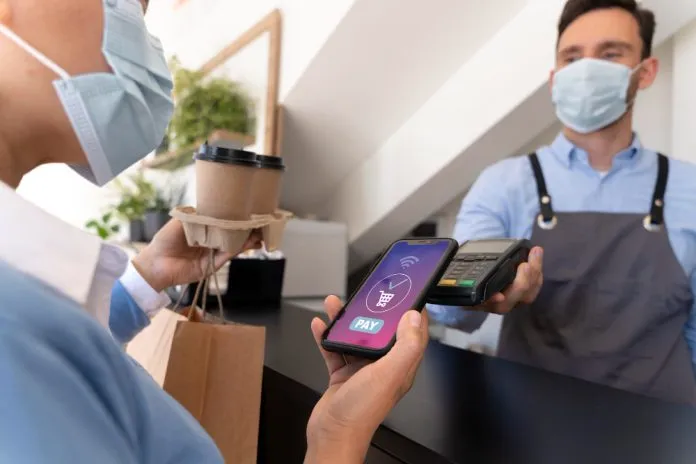
Merchant Services: Acquiring, Settlement & Business Payments
BinaxPay provides a complete merchant services infrastructure that enables businesses, small, medium, and enterprise, to accept payments globally, get settled instantly, pay suppliers, manage cash flow, and operate across multiple currencies and markets. The system is designed for retail, e-commerce, logistics, hospitality, digital platforms, and high-volume operators that need reliable and scalable financial operations. 1. Global and Local Payment Acceptance Merchants can accept payments from customers through multiple channels. Capabilities:Mobile money payments Local bank transfers International EUR, GBP, and USD payments QR code payments USSD and agent payments Payment links for online merchants POS and card payments Wallet-to-merchant transfersReal example: A restaurant in Kenya accepts mobile money and card payments from customers, with all settlements handled through a single BinaxPay merchant wallet. 2. Instant and Scheduled Merchant Settlement Merchants receive their funds instantly or according to their preferred settlement schedule. Capabilities:Instant settlement (seconds) Hourly, daily, or weekly settlement rules Split settlements between multiple recipients Settlement in local or foreign currency Settlement directly to wallets, banks, or mobile moneyReal example: A ride-hailing app settles driver earnings every evening while keeping its commission in USD and paying drivers in local currency automatically. 3. Payment Links and Online Checkout Tools Businesses can accept online payments without building a full website. Capabilities:One-time payment links Recurring billing links Invoice payment links Donation and payment buttons for social media Custom payment pages with brandingReal example: A freelance designer in Turkey sends a payment link to a client in Germany and receives the EUR payment instantly. 4. POS and In-Store Merchant Solutions Physical retailers can accept payments using POS integrations. Capabilities:Mobile POS QR-based checkout Tap-to-pay acceptance Multi-operator POS setup Cash-register integration Unified store reportingReal example: A boutique store in Mexico uses a BinaxPay POS terminal to accept card payments and mobile wallet payments simultaneously. 5. Marketplace and Platform Merchant Management Platforms can onboard and manage thousands of merchants. Capabilities:Merchant onboarding Commission and fee settings Split payments (platform and merchant) Automated partner settlements Transaction reporting at merchant level Multi-merchant wallet managementReal example: A food delivery platform uses BinaxPay to collect customer payments and automatically split revenue between restaurants and drivers. 6. Business Payments and Supplier Settlements Merchants can pay suppliers, freelancers, and vendors locally or globally. Capabilities:Supplier payments Recurring invoice payments Subscription billing Bulk payouts Cross-border B2B payments Internal wallet transfersReal example: A hotel in UAE pays suppliers in India, Turkey, and Egypt, in their local currencies, from one dashboard. 7. Integrated FX for Merchant Operations FX tools allow merchants to manage funds across borders and pay in multiple currencies. Capabilities:Convert revenue instantly Hold multi-currency balances Pay suppliers in foreign currencies Receive EUR, GBP, USD and withdraw locallyReal example: A digital company in Ghana receives USD from clients and instantly converts part of it to GHS to pay salaries. 8. Merchant Reporting, Analytics, and Reconciliation All merchant transactions are tracked and reconciled automatically. Capabilities:Sales reporting FX reporting Reconciliation with bank and mobile money payments Settlement timelines Refund tracking Downloadable financial reportsReal example: A supermarket chain with 20 stores uses a single dashboard to view all mobile money, POS, card, and bank transfer sales. 9. Merchant Compliance and Risk Controls Merchants are monitored continuously to maintain safe and compliant operations. Capabilities:KYC and KYB onboarding Merchant category risk scoring Refund ratio monitoring Fraud detection Suspicious merchant activity alerts Settlement risk rulesReal example: A merchant in LATAM showing unusually high refund patterns is automatically flagged for review before settlement is released. Conclusion BinaxPay’s merchant services include acquiring, settlement, online checkout, payment links, POS integrations, supplier payments, FX tools, and enterprise reconciliation. This unified system enables merchants across Africa, Asia, LATAM, the EU, UK, and US to operate globally while receiving fast, secure, and compliant financial services tailored to their local market needs.

- BinaxPay Team
- 15 Feb, 2026
- 4 mins read
Treasury, Liquidity & Global Cash Management Capabilities
BinaxPay operates a multi-region treasury architecture designed to manage liquidity across the EU, UK, US, Africa, LATAM, Middle East, and Asia. Instead of relying on traditional international transfers, treasury pools allow instant global settlement, corridor balancing, FX optimization, and secure handling of business and consumer flows. This system enables partners, JV operators, and enterprises to scale safely across multiple markets with predictable liquidity and real-time financial control. 1. Multi-Region Treasury Pool Architecture Treasury pools hold liquidity in different regions and currencies. Capabilities:EU treasury pool (EUR) UK treasury pool (GBP) US treasury pool (USD) Local treasury pools in each partner country Continuous real-time synchronization Instant liquidity release for payoutsReal example: A user in Germany sends 20 EUR to Kenya. EUR stays in the EU pool, and KES is released instantly from the Kenya pool, no cross-border transfer required. 2. Local Market Liquidity Pools for Instant Settlement Each partner country has its own local pool for domestic payouts. Capabilities:UGX (Uganda) NGN (Nigeria) KES (Kenya) GHS (Ghana) INR (India) MXN (Mexico) BRL (Brazil) AED (UAE)Real example: A merchant in Uganda receives UGX instantly when a customer pays in EUR, the local pool handles the payout domestically. 3. Real-Time Ledger Synchronization Across Continents All pools are connected through a unified internal ledger. Capabilities:Real-time update of balances Instant credit and debit mirroring Automated cross-pool balancing FX conversion at ledger level Compliance-linked adjustmentsReal example: A user converts USD to MXN. Ledger updates instantly, adjusting the US pool and Mexico pool within milliseconds. 4. AI-Based Liquidity Forecasting and Corridor Prediction BinaxPay predicts how much liquidity each corridor will require. Capabilities:Historical corridor pattern analysis Peak period prediction Mobile money behavior analysis Business payout forecasting Anti-risk liquidity modelingReal example: During salary week in Kenya, the system automatically increases KES liquidity to handle thousands of payouts. 5. Automated Rebalancing Between Regions The system performs intelligent rebalancing to keep every pool healthy. Capabilities:Daily or hourly rebalancing rules Corridor-based adjustments Enterprise payout readiness Real-time top-up instructions Predictive liquidity allocationReal example: If the Nigeria pool drops due to high payouts, the system directs additional NGN liquidity from partner sources to keep operations stable. 6. Global Cash Management for Businesses and Enterprises Businesses benefit from the same treasury infrastructure as the core platform. Capabilities:Multi-currency business wallets Treasury accounts per department Supplier payment liquidity planning Dedicated revenue holding wallets Automated FX and payout routing Full treasury analyticsReal example: A global contractor receives USD from clients and uses treasury tools to convert funds to EUR and INR for suppliers and staff across multiple countries. 7. Risk-Controlled Corridor Management Treasury flows are tied to corridor-level rules for safety. Capabilities:Max corridor outflow limits Automated suspension for risky patterns Multi-tier partner permissions Sanctions and AML-linked corridor blocksReal example: If a corridor suddenly shows abnormal behavior (repeated large cash-outs), the system slows or pauses the corridor automatically. 8. Mobile-Money and Local Rail Liquidity Integration Treasury pools connect directly to local payment rails. Capabilities:Mobile money wallets Local bank networks PSP rails Agent networks Card settlement networksReal example: A user pays with mobile money in Ghana and funds settle instantly from the local pool, supported by a reconciliation link with local MNOs. 9. Enterprise-Level Cash Flow Planning and Reporting Partners and businesses access full treasury insights. Capabilities:Corridor-specific liquidity dashboards Daily settlement reports Treasury forecasting tools FX exposure analysis Cash flow heatmaps Partner and share revenue dashboardsReal example: A JV operator in LATAM reviews corridor activity for USD to MXN and sees how much liquidity will be needed for tomorrow's payouts. 10. Safe, Segregated Treasury Operations All liquidity pools are handled in a secure and compliant manner. Capabilities:Strict segregation of funds Real-time audit logs AML and transaction monitoring integration Treasury role permissions Exportable regulatory reportsReal example: A regulator requests liquidity statements for a local pool, the system generates a complete audit-ready report instantly. Conclusion BinaxPay's treasury, liquidity, and global cash management capabilities create a highly efficient and secure financial backbone. Multi-region pools, real-time ledger synchronization, AI forecasting, automated rebalancing, and local settlement rails enable instant global payouts, stable corridor operations, and large-scale enterprise cash management. This infrastructure supports BinaxPay's global expansion and ensures reliable operations across every market where the platform is active.
- BinaxPay Team
- 15 Feb, 2026
- 4 mins read
Enterprise-Grade Payment Processing & Settlement Tools
BinaxPay includes a complete enterprise payment stack designed for companies that operate across multiple countries, currencies, and financial systems. From receiving payments to settling merchants, paying suppliers, running payroll, and reconciling transactions, the BinaxPay engine delivers fast, secure, real-time enterprise settlement across global and local markets. The system is built to support SMEs, large corporates, marketplaces, government projects, logistics networks, e-commerce platforms, and high-volume financial operators. 1. Multi-Channel Payment Acceptance for Businesses Businesses can receive payments through multiple global and local channels inside a single dashboard. Capabilities:Local bank transfers International EUR, GBP, and USD payments Mobile money payments QR and USSD payments POS and card payments Bulk invoice payments Payment links for customersReal example: A marketplace in Kenya accepts mobile money, cards, and bank transfers, all settled directly into their multi-currency BinaxPay wallet. 2. Automated Merchant Settlement Engine Funds received by businesses are settled automatically and instantly. Capabilities:Instant settlement for mobile money Automated settlement rules (hourly, daily, weekly) Support for split settlements Settlement in local or foreign currency VAT and tax-handling rules Settlement to staff or vendorsReal example: A food delivery platform settles earnings to 400 plus riders at the end of each day through automated batch payouts. 3. Bulk Payout Tools for Enterprises Companies can send thousands of payouts in one action. Capabilities:Payroll disbursements Supplier payments Driver and vendor payouts Affiliate and commission payouts Mass refund processing B2B cross-border settlementsReal example: A global logistics company pays 300 drivers in Mexico, Kenya, India, and UAE in local currency from a single BinaxPay interface. 4. Reconciliation and Financial Reporting System The system automatically reconciles every transaction across all payment channels. Capabilities:Smart reconciliation engine Matching invoices with payments Merchant-level reporting Corridor-based financial reports Audit-ready data exports Daily, weekly, and monthly reportsReal example: A retail chain with 50 locations receives consolidated reports that show all mobile money, card, and bank transfer transactions in one unified statement. 5. Global Incoming Payments (EUR, GBP, USD, and Local Currencies) Businesses can accept payments from:EU companies (EUR) UK companies (GBP) US companies (USD) Local currencies from partner markets Marketplaces and online platformsReal example: A software agency in Uganda bills an American client $3,200. The payment is received instantly into the USD wallet and can be withdrawn in UGX. 6. Local and Global Outgoing Payments BinaxPay supports global payout operations by combining global liquidity with local settlement rails. Capabilities:Local bank payments Mobile money payouts Supplier settlements Cross-border B2B transfers Recurring vendor payments Instant staff payoutsReal example: An e-commerce warehouse in Ghana pays 60 suppliers weekly, all processed automatically via scheduled payouts. 7. Advanced FX Tools for Business Operations Businesses can convert currencies instantly and use funds across multiple markets. Capabilities:Internal FX engine Competitive corridor pricing Instant cross-currency transfer Multi-currency work-in-progress accountsReal example: A company in Turkey converts EUR revenues to USD instantly and pays suppliers in the US without needing an external bank. 8. Enterprise-Grade Security and Transaction Controls Every enterprise transaction passes through advanced risk and monitoring systems. Capabilities:Behavior-based fraud scoring Transaction velocity limits Spending category controls 2FA and biometric authorization Audit logs for enterprise activity Multi-level approval workflows (CFO, accountant, operator)Real example: A finance team sets up approval rules so payments above $5,000 require CFO approval before release. 9. Marketplace and Platform Settlement Tools Platforms can settle across multiple participants automatically. Capabilities:Driver and rider settlement Restaurant and vendor settlement Marketplace seller settlement Affiliate and partner payments Escrow release rulesReal example: A ride-hailing platform settles fare revenue to drivers instantly after each ride while automatically allocating platform commissions. 10. Customized Enterprise Payment Flows for Large Operators BinaxPay supports complex enterprise flows across multiple markets. Capabilities:Programmable payment workflows Conditional settlements Partner-specific routing Multi-entity settlement rules Cross-border merchant onboardingReal example: A global outsourcing company with teams in five countries uses BinaxPay to manage payroll, reimbursements, vendor payments, and client settlements in a single system. Conclusion BinaxPay's enterprise payment engine enables businesses to accept payments globally, settle locally, manage cash flow, pay employees and suppliers, control expenses, and reconcile finances, all in one platform. Instant settlements, multi-channel acceptance, automated payouts, internal FX, and enterprise security make it a complete financial backbone for markets across Africa, Asia, LATAM, the Middle East, the US, the EU, and the UK.

- BinaxPay Team
- 15 Feb, 2026
- 3 mins read
How BinaxPay Integrates With Merchants and Enterprises
BinaxPay provides a full-stack integration framework that connects directly with merchants, enterprises, platforms, apps, and government systems. The goal is simple: enable businesses to accept payments, make payouts, manage liquidity, run global settlement, and access real-time financial tools, all through one unified system. Merchants and enterprises connect to BinaxPay through APIs, plugins, widgets, mobile money rails, card networks, and bank transfer infrastructure. 1. One Integration for All Payment Channels Businesses integrate once and access all major rails:Cards (Visa, Mastercard, local schemes) Mobile money Local bank transfers QR payments Wallet-to-wallet Bulk payouts Subscription billing Recurring settlement International payoutsReal example: A hotel in Kenya accepts card payments online, mobile money at reception, and settles to its bank account, all through one BinaxPay integration. 2. API-First Architecture for Developers Enterprises connect through a unified API layer offering:Payment creation Payment links Payout initiation Merchant settlement Card charging Verification calls FX requests Reconciliation endpointsThe API design is consistent across all services. 3. Plugins, SDKs, and No-Code Tools Merchants can integrate without writing code using:E-commerce plugins Mobile SDKs Payment links Invoicing tools Checkout widgets QR payment generatorsReal example: A small online store uses a payment link to accept USD to NGN payments instantly. 4. Multi-Rail Acceptance for Every Merchant Type BinaxPay supports:Online checkout In-store POS QR codes Mobile money merchant IDs Recurring billingReal example: A retail shop uses QR codes for in-store M-Pesa payments and card terminals for card customers. 5. Instant Merchant Settlement Merchants receive funds instantly through:Mobile money Local bank accounts Wallet settlement Agent cash-out Cross-corridor settlementReal example: A food delivery platform pays riders instantly via mobile money using the BinaxPay payout API. 6. Advanced Merchant Dashboard Enterprises get a real-time dashboard with:Payment logs Settlement reports FX history Payout records Chargeback tools Revenue analytics Fraud alertsEverything updates instantly through the global ledger. 7. Enterprise Payout Engine Large companies can send thousands of payouts at once using:Bulk payout API CSV upload Scheduled payouts Automated payroll rulesReal example: An e-commerce company sends 8,000 vendor payouts across Nigeria, Ghana, and Kenya in minutes. 8. Built-In FX Management for Global Merchants Merchants processing multi-currency payments receive:Real-time FX Corridor-based pricing Automatic settlement currency selection Virtual FX routingReal example: A merchant in Ghana accepts USD from US customers but settles instantly in GHS. 9. Fraud and Risk Engine for Merchant Protection Integrated tools include:Behavioral fraud scoring Card risk analysis Mobile money fraud prevention Block and allow lists Velocity checks IP and device fingerprintingSuspicious transactions are stopped before settlement. 10. Compliance Tools for Large Enterprises Enterprise integrations include:KYC and AML verification Sanctions screening Audit logs Corridor compliance rules Regulated reportingIdeal for platforms handling large volumes of users. 11. Treasury and Liquidity Tools for Corporate Clients Enterprises can use:Multi-currency wallets Local treasury pools Settlement scheduling Liquidity tracking Internal ledger accessReal example: A logistics company tracks liquidity across eight African markets and settles daily using automated payouts. 12. Seamless Integration With Mobile Money Networks BinaxPay connects merchants directly to:M-Pesa MTN Airtel Vodacom Orange Money TigoUse cases: Ride-hailing apps, e-commerce, digital services, government payouts. 13. POS and Terminal Support for Physical Stores BinaxPay supports:Card terminals QR POS systems NFC devices App-based POSReal example: A restaurant accepts both mobile money and card tap-to-pay on the same terminal. 14. Cross-Platform Integration for Apps and Platforms Ideal for:Marketplaces Gig platforms Government portals Fintech apps Utility providers Travel companiesEach can embed payments and payouts directly inside their systems. 15. Unified Settlement Across All Channels Card, wallet, bank, and mobile money settlements flow into one unified merchant balance with full reporting. Conclusion BinaxPay integrates with merchants and enterprises through an extremely flexible system designed for high scalability and global coverage. With unified APIs, mobile money rails, card networks, bank transfers, and enterprise settlement tools, BinaxPay offers a single financial infrastructure that serves every business, from small merchants to multinational enterprises.

- BinaxPay Team
- 10 Jan, 2026
- 4 mins read
Multi-Country Liquidity Balancing Explained
BinaxPay operates one of the most advanced liquidity-balancing models in modern fintech — a multi-continent, multi-currency system designed to keep every market fully liquid, fully compliant, and capable of processing instant payouts without depending on SWIFT, correspondent banks, or international fund transfers. 1. Introduction: What Liquidity Balancing Really Means Multi-country liquidity balancing is the process of distributing, predicting, and synchronizing liquidity across all BinaxPay treasury pools — EU, UK, US, Africa, LATAM, Middle East, and Asia. Instead of physically transferring money between countries, BinaxPay rebalances virtual positions inside its global ledger. This ensures that every region always has enough funds to fulfill local payouts instantly, regardless of corridor volume or user demand. 2. The Multi-Region Treasury Pool Structure BinaxPay operates several core liquidity pools:EU Pool (EUR) – SEPA Instant, merchant settlement, EU user funding UK Pool (GBP) – Faster Payments, UK partner operations US Pool (USD) – ACH & FedNow inflows, USD-based corridors Local Pools – Uganda (UGX), Nigeria (NGN), Kenya (KES), Ghana (GHS), India (INR), Brazil (BRL), Mexico (MXN), UAE (AED), etc.Each pool acts as a "local liquidity engine," enabling domestic payouts without any need for cross-border money movement. 3. The Core Mechanism: Ledger Synchronization Instead of Fund Transfers When money is sent from one country to another, BinaxPay does not move funds internationally. Instead:The sender's regional pool balance increases. The recipient's local pool releases an equivalent amount. The global ledger synchronizes both pools instantly.This means liquidity is "balanced" virtually, not physically. Result: Instant global settlement with zero cross-border movement. 4. Predictive Liquidity Forecasting (AI-Driven) BinaxPay maintains liquidity by predicting exactly how much each country will need. The system analyzes:corridor demand (EU→Africa, US→LATAM, UK→Asia, etc.) transaction volume trends merchant settlement cycles payroll cycles seasonal patterns FX behavior mobile money trafficThis forecasting model ensures each pool is topped up before liquidity becomes tight, maintaining stable operations 24/7. 5. Daily, Weekly & Real-Time Pool Monitoring Liquidity balancing happens across three windows: Real-Time:corridor spikes unexpected traffic large merchant payoutsDaily:reconciliation compliance checks volume trend updatesWeekly/Monthly:corridor-level adjustments long-term trend planningThis ensures every region stays optimized with zero interruptions. 6. How Pools Interact Across Continents BinaxPay pools work together to maintain seamless operations:EU ↔ UK – EUR/GBP corridor balancing EU ↔ US – EUR/USD corridor dynamics US ↔ LATAM – high-volume USD-driven settlements US ↔ Africa – USD liquidity for partner markets UK ↔ Asia – GBP-based corridor demandEach corridor is balanced by adjusting ledger positions — not by moving money. 7. Local Pools Are Fully Independent (Yet Fully Synchronized) Every country's pool is self-contained:local deposits local merchant settlements cash-in/cash-out agents mobile money inflowsThese natural inflows help replenish local pools automatically. If extra liquidity is needed, the global ledger reallocates virtual balances from EU/UK/US pools immediately. 8. Compliance & Treasury Governance Each pool follows strict governance rules:AML/CTF local regulations EU/UK/US safeguarding laws full reconciliation with custodial partners risk-based corridor monitoring transparent audit trails independent compliance oversightBecause liquidity does not cross borders, compliance is simpler, safer, and faster. 9. When Structural Rebalancing Is Required Occasionally, long-term corridor demand changes (e.g., EU→Africa volume doubles). In these cases:Internal treasury executes a structured rebalancing operation Fully regulated mechanisms are used Compliance teams oversee all movementsThese events are rare — but they maintain long-term corridor health. 10. Why This System Is Better Than Traditional Banking Traditional banks move money across borders, causing:delays high fees compliance bottlenecks FX charges SWIFT dependencyBinaxPay avoids all of this by using:local settlement synchronized treasury pools AI-driven liquidity planning real-time ledger operationsThis creates a global system where liquidity is always available and transactions are always instant. Conclusion Multi-country liquidity balancing is what allows BinaxPay to act as a true global financial infrastructure, offering instant settlement across continents without ever needing cross-border transfers. Through synchronized pools, predictive modeling, and strict compliance, BinaxPay maintains uninterrupted liquidity in every market — creating a stable, scalable, and future-ready ecosystem for users, businesses, partners, and governments worldwide.

- BinaxPay Team
- 27 Dec, 2025
- 3 mins read
Mobile Money Flow Integration for Africa & Asia
Mobile money is the financial backbone of many countries across Africa and Asia, powering everything from daily payments and merchant transactions to salary disbursements and cross-regional commerce. Platforms such as MTN Mobile Money, Airtel Money, M-Pesa, GCash, Paytm, PhonePe, JazzCash, and Easypaisa dominate financial activity because they are fast, trusted, and accessible to millions of people without bank accounts. BinaxPay integrates directly with these mobile money ecosystems to deliver instant, compliant, and seamless money movement — both within countries and across global corridors. Instead of relying on slow international transfers, the entire flow is handled using local settlement channels and synchronized treasury pools. 1. Why Mobile Money Matters in Emerging Markets Mobile wallets are the primary financial tool in many regions because they offer:instant transfers wide availability through agents and merchants low transaction costs high adoption in both rural and urban zones reliable bill and utility paymentsBecause mobile money is already deeply integrated into people's lives, connecting BinaxPay to these systems unlocks fast, frictionless financial access. 2. Direct Integration With Major Mobile Money Providers BinaxPay connects directly to mobile money APIs, including:MTN Mobile Money Airtel Money M-Pesa Tigo Pesa Vodacom Orange Money GCash JazzCash Easypaisa Paytm / PhonePe (country-specific)This lets users and businesses receive funds instantly in the wallets they already trust. 3. How Mobile Money Cash-In Works (Deposits)User initiates a deposit from their mobile wallet. Funds enter the local liquidity pool in the country's native currency. BinaxPay's ledger instantly updates the user's balance. All settlement happens domestically — fast, simple, reliable.4. How Mobile Money Cash-Out Works (Withdrawals)User withdraws from their BinaxPay wallet. Ledger reduces the user's balance. Local liquidity pool sends the exact amount to their mobile money wallet. Payouts appear instantly because all movement happens through local mobile money rails.5. How International Transfers Appear Using Mobile Money When someone sends money from another region (EU, UK, US, GCC, etc.) to a mobile money user:sender's balance adjusts local pool releases funds receiver gets mobile money instantlyThere is no international fund movement — only synchronized local settlement. 6. Mobile Money for Merchants & SMEs Businesses rely heavily on mobile money. BinaxPay supports:merchant collections supplier payouts salary payments QR payments agent disbursements local B2B settlementThis transforms small and mid-sized businesses into fully digital operators. 7. Compliance Built Around Local Regulations Every transaction follows the country's regulatory framework, including:national ID verification SIM registration rules mobile money AML controls sanctions & PEP screening behavioral risk modelingThis keeps mobile money operations safe, transparent, and fully compliant. 8. Benefits of Integrating Mobile Money Into BinaxPay For users:instant payouts easy deposits no bank account neededFor businesses:simple supplier payouts fast merchant settlementFor partners:stable liquidity high transaction volumeFor regulators:local settlement clear tracking and reportingConclusion Mobile money is the dominant financial channel across Africa and Asia. By integrating directly with mobile wallet systems and using local liquidity pools for settlement, BinaxPay provides instant, compliant, and efficient financial flows that match the way people already use money. This approach delivers global reach while remaining deeply connected to local markets — enabling true financial access at scale.

- BinaxPay Team
- 13 Dec, 2025
- 5 mins read
Ledger Consistency, Reconciliation & Settlement
Ledger consistency, reconciliation, and settlement are the core mechanisms that keep a fintech platform financially accurate, compliant, and trusted. Every payment, card transaction, wallet transfer, FX conversion, or payout must be recorded correctly across multiple systems: internal ledgers, banks, PSPs, card issuers, and external partners. This post explains each concept in detail and shows how real fintech operations maintain accuracy across Germany, Sweden, USA, Brazil, Saudi Arabia, and Oman. 1. What Ledger Consistency Means A ledger is the internal financial book of the fintech. It must always reflect the true balance of user accounts, virtual accounts, merchant wallets, liquidity pools, card balances, payouts and collections, and FX movements. Ledger consistency means:No missing transactions No duplicates Balances always match external bank, PSP, or card issuer Every entry has a timestamp, reference, and counter-entry Every movement has a source and destinationIf the ledger is inconsistent, the fintech fails compliance, loses money, or introduces risks such as double-spending and incorrect balances. How ledger entries work Every movement is stored twice: debit (subtract from one account) and credit (add to another account). This is the double-entry system used worldwide in regulated finance. 2. Why Reconciliation Is Mandatory Reconciliation means matching internal ledger entries with external systems such as EU or UK bank accounts, PSP settlement reports, mobile money payouts, card issuer statements, FX provider reports, and treasury pool balances. If the internal ledger says a user has EUR 100 but the external partner shows EUR 96, something is wrong. Reconciliation finds and fixes the difference. Types of reconciliationBank reconciliation: internal ledger vs bank account PSP reconciliation: merchant settlement vs PSP payouts Card scheme reconciliation: issuer processor vs ledger FX reconciliation: expected vs actual converted amounts Treasury pool reconciliation: local liquidity vs movement logsFintechs reconcile daily or even hourly depending on volume. 3. Settlement — How Money Actually Moves Settlement is the actual movement of funds between financial institutions. Examples of settlement flows:Card payments settle through card schemes SEPA transfers settle via banks PIX settles instantly inside Brazil SARIE settles payments inside Saudi Arabia FedNow and ACH settle transactions in the USA Mobile money settles through telecom and PSP infrastructureSettlement finalizes the financial obligation. Only after settlement is confirmed should the ledger be considered final. Instant vs delayed settlementSEPA Instant, PIX, FedNow: near real time ACH: T+1 or T+2 Card acquiring: T+1, T+2, or weekly Mobile money: instant or near-instant Cross-border corridors: depends on rail availability4. How Ledger, Reconciliation, and Settlement Work Together Every transaction follows the same structure: Step 1 — Ledger entry (internal) Immediately recorded in the ledger: debit user, credit destination. Step 2 — External settlement Money moves through bank, PSP, mobile money operator, card scheme, or FX provider. Step 3 — Reconciliation Internal ledger is matched against settlement report, external bank balance, PSP payout ledger, FX confirmation, and processor statements. Step 4 — Corrections If mismatch appears: reversed, adjusted, manual review, compliance check, flagged for audit. 5. Why This Is Critical for Compliance EU, UK, US, and GCC regulations require accurate ledgers, provable reconciliation, daily, weekly, or monthly reports, audit-ready logs, consistent settlement flows, and no untracked financial movements. Incorrect ledger management leads to loss of license, blocked settlements, frozen funds, legal penalties, and financial crime risks. 6. Ledger Architecture in Modern Fintech A modern ledger system is event-driven, immutable, timestamped, auditable, connected to all external rail providers, and supported by automated reconciliation bots. Microservices handle balance calculation, double-entry posting, limits, compliance checks, and settlement instructions. 7. Real-Life Examples Example 1 — Germany (SEPA Settlement Reconciliation) A user sends EUR 500 via SEPA Instant. Internal ledgerDebit user wallet EUR 500 Credit outgoing settlement account EUR 500External flow German bank processes SEPA Instant and receiving bank confirms settlement. Reconciliation The fintech compares its ledger entry, the settlement confirmation, and the bank’s end-of-day SEPA report. All three match, ledger consistent. Example 2 — Sweden (Card Settlement through Issuer Processor) A Swedish user spends SEK 800 using a debit card. Internal ledgerDebit SEK 800 from user Log card authorizationExternal settlement Visa or Mastercard sends settlement batch next day, issuer processor deducts SEK 800. Reconciliation Fintech matches ledger authorization, card scheme settlement batch, and processor settlement report. If all match, transaction marked final. Example 3 — USA (ACH Batch Settlement) An American merchant receives a payout of USD 12,000 through ACH. Ledger entryDebit merchant account Credit payout bridge accountSettlement ACH batch processed next day. Reconciliation System compares ACH settlement batch file, internal ledger, and bank statement. ACH settlement confirms, ledger updated as completed. Example 4 — Brazil (PIX Instant Reconciliation) A Brazilian user pays BRL 350 via PIX. Ledger entryDebit BRL 350 immediatelySettlement PIX network processes instantly. Reconciliation Match internal ledger record, PIX settlement confirmation from bank, and daily PIX report. Instant consistency achieved. Example 5 — Saudi Arabia (SARIE Settlement) A Saudi corporate sends SAR 25,000 via SARIE. Internal ledgerDebit corporate wallet Log SARIE instructionSettlement SARIE clears within seconds. Reconciliation Check SARIE settlement log, bank’s intra-day settlement report, and ledger entries. If matched, transaction finalized. Example 6 — Oman (Local Bank Settlement) An Omani SME receives OMR 5,000 from a supplier. Internal ledgerCredit SME walletSettlement Omani bank settles via local RTGS. Reconciliation Reconcile RTGS report with ledger, validate bank balance, confirm no missing entries. Ledger updated to settled and verified. 8. SummaryLedger consistency means accurate internal balances. Reconciliation matches internal ledger with external systems. Settlement is the real movement of money across rails.A fintech can only operate safely, compliantly, and at scale when all three layers work flawlessly together, supported by automation, daily reporting, and audit-ready logs.
- BinaxPay Team
- 08 Dec, 2025
- 4 mins read
How SEPA, FPS & ACH Interact Inside BinaxPay
SEPA, FPS, and ACH are three regional payment rails that power domestic transfers in the EU, UK, and US. Inside BinaxPay, these rails are not treated as separate systems — they operate as entry and exit points to our unified global ledger and multi-region liquidity pools. By connecting these domestic networks to one internal financial engine, BinaxPay transforms three local rails into a synchronized, global money-movement framework. 1. The Three Rails at a Glance SEPA (EU, EUR) Supports SEPA Credit Transfer and SEPA Instant across 36 countries. FPS – Faster Payments (UK, GBP) Real-time GBP transfers available 24/7 across the United Kingdom. ACH (US, USD) The primary bank-to-bank transfer system for the United States, handling deposits, payouts, and bulk settlement. Each one operates independently in traditional banking — but BinaxPay merges them under one architecture. 2. One Global Ledger Behind All Three Systems While SEPA, FPS, and ACH each handle domestic transfers in their own regions, every transaction flows into the same BinaxPay internal ledger, which updates:user balances liquidity pool positions transaction records FX calculations settlement decisions compliance checksThis makes the three networks feel like one unified global payment system inside BinaxPay. 3. SEPA, FPS, and ACH Act as Funding and Settlement Gateways Inside BinaxPay:SEPA loads or withdraws EUR FPS loads or withdraws GBP ACH loads or withdraws USDOnce money enters the system via any of these rails, it becomes part of our synchronized global liquidity model. This allows the funds to be used for:local payouts global transfers mobile money merchant settlement SME payments corridor operationsNo matter the origin rail, the funds become part of our unified routing system. 4. How Transfers Move From One Rail to Another (Example Flow) EU → UKUser sends EUR via SEPA Ledger updates GBP is released from the UK pool Recipient receives payout via FPSEU → USEUR enters through SEPA Ledger syncs USD is released from the US pool Recipient receives via ACHUS → UKACH deposit in USD Ledger updates GBP released from UK pool Recipient gets it instantly via FPSAt no stage do funds move internationally. The settlement always occurs locally. 5. Smart Routing for Speed & Cost Efficiency The ledger automatically decides routing based on:liquidity availability corridor risk compliance rules user region settlement speedExamples:If SEPA Instant is available → instant EUR settlement If FPS is under high load → alternative payout route If ACH timing is slow → prioritize mobile money payout at destinationSmart routing ensures optimal performance across three continents. 6. FX Happens Internally, Not Through the Rails SEPA, FPS, and ACH do not perform any currency conversion. BinaxPay handles FX virtually inside the ledger:EUR → GBP GBP → USD USD → local currencyRates follow corridor rules, partner agreements, and revenue models. This keeps transfers cheap and predictable. 7. Compliance Layer Applies Uniformly Across All Rails Every transfer entering via SEPA, FPS, or ACH is screened through the same compliance engine:sanctions PEP AML patterns behavior analysis corridor risk scoringThis maintains a single standard across all markets. 8. Treasury Pool Synchronization Between Rails SEPA, FPS, and ACH feed three major pools:EUR pool (EU) GBP pool (UK) USD pool (US)When money enters via any rail:the corresponding pool balance increases another pool decreases if serving a payout the ledger keeps all synchronizedThis eliminates the need for cross-border movement. 9. Merchant & SME Use Cases Merchants benefit from all three rails:EU merchants → SEPA incoming + global payouts UK merchants → FPS incoming + rapid settlement US merchants → ACH deposits + instant local payoutsThe internal ledger handles reconciliation, batch settlement, and reports. 10. A Unified Global Framework Built on Three Local Rails SEPA, FPS, and ACH remain domestic systems in the traditional banking world. Inside BinaxPay, they become:globally connected instantly synchronized compliant with one rule engine supported by unified treasury liquidity integrated with mobile money and local payout railsThis transforms three regional networks into one global financial infrastructure. Conclusion Inside BinaxPay, SEPA, FPS, and ACH are not separate systems — they are coordinated entry points into a single, global, ledger-driven ecosystem. Through synchronized liquidity pools, smart routing, and unified compliance, BinaxPay turns domestic rails from Europe, the UK, and the US into a seamless global payment architecture capable of powering users, partners, and businesses across dozens of countries with instant settlement.
- BinaxPay Team
- 06 Dec, 2025
- 5 mins read
Liquidity Pools, Float Management & Settlement Cycles
Liquidity pools and float management are the backbone of any fintech platform that processes payouts, collections, card transactions, or cross-border transfers. Without strong liquidity planning, instant settlement becomes impossible, corridors break, and merchant operations fail. This post explains how liquidity pools work, how float is managed, and how settlement cycles operate in real financial systems across Germany, Sweden, USA, Brazil, Saudi Arabia, and Oman. 1. What Is a Liquidity Pool? A liquidity pool is a reserved balance of money held in a specific currency to support instant payouts, merchant settlements, wallet withdrawals, card transactions, FX conversions, and treasury balancing. Every country or corridor requires its own pool: EUR (Germany, EU), SEK (Sweden), USD (USA), BRL (Brazil), SAR (Saudi Arabia), and OMR (Oman). If the pool runs out, transactions fail even if the ledger balance shows money. 2. Why Fintech Platforms Need Liquidity Pools Instant payments require pre-funded pools because banks settle later, mobile money settles daily, card networks settle weekly, FX providers settle on T+1 to T+3, and treasury transfers take time. Liquidity pools create cash availability ahead of settlement, allowing instant payout without waiting for real settlement. 3. Types of Liquidity Pools a. Local currency pool Held inside the country. Used for mobile money, bank payouts, or local card settlement. b. Foreign currency pool Used for cross-border payouts and FX. Example: USD to BRL corridor needs BRL liquidity in Brazil. c. Embedded partner pool Held by PSPs or banks on behalf of the fintech. Often used in Saudi Arabia and Oman for regulated payouts. d. Distributed or multi-pool structure Multiple pools in different regions working together for liquidity optimization. 4. Float Management Explained Float is the available balance inside the liquidity pool that supports daily operations. Float is affected by card authorizations, pending settlements, merchant payouts, FX conversions, bank holidays, delayed settlements, and user withdrawals. Fintechs must track real float, projected float, reserved float, settlement float, and risk buffer float. Strong float management ensures 24/7 uptime even when settlements are delayed. 5. What Happens If Float Runs Out? If liquidity pool drops to zero: payouts fail, merchants do not get settlements, cards decline, FX stops, cross-border corridors freeze, and platform credibility collapses. This is why float management is one of the most critical treasury functions. 6. Treasury Tools Used to Manage Float Automated pool monitoring, multi-currency dashboards, predicted settlement timelines, real-time merchant volume tracking, FX hedging tools, reserve buffers for weekends and holidays, automatic top-up rules, and alerts when pool falls below threshold. Without these, scaling is impossible. 7. Settlement Cycles Explained Settlement cycle is the timeline for when money truly moves between institutions. a. Card networks (Visa and Mastercard) Settlement T+1 to T+3. Merchant payout daily or weekly. b. Bank transfersSEPA: same day or T+1 ACH (USA): same day or next day Brazil PIX: instant, but reconciliation at end of dayc. Mobile money Most African and Gulf systems: T+1. Some allow near-instant reconciliation. d. PSP aggregators Often end-of-day settlement or next business day. Fintechs must align liquidity pools with these timelines. 8. Negative Float and Overdraft Models Some PSPs or banks allow intraday credit, settlement pre-funding, and temporary negative liquidity. This is rare and usually available only in USA, Germany, and Sweden for regulated partners. 9. FX Impact on Liquidity Cross-border flows change local float. Example: USD to BRL payouts require BRL float in Brazil, but USD collections must be converted first (T+1). Treasury must synchronize pools to avoid delays. 10. Automating Liquidity Rebalancing Large fintechs use automated top-up triggers, rules-based transfers, multi-rail balancing, dynamic FX conversion, and auto-predictions based on volume patterns. This prevents manual errors and ensures stability during high volumes. 11. Weekend and Holiday Liquidity Strategy On weekends and holidays banks are closed, card settlements pause, FX markets slow, demand increases, and risk increases. Float must be 70 to 120 percent higher before long weekends. 12. Real-Life Examples Across Countries Example 1 — Germany (SEPA Merchant Settlements) A German merchant receives EUR 180,000 daily in SEPA incoming payments. The fintech pays the merchant instantly from the EUR liquidity pool. Actual SEPA settlement arrives next morning (T+1). Liquidity pool must remain sufficient for daily instant payouts, and treasury allocates buffer for Thursday to Monday weekend gap. Example 2 — Sweden (Instant Wallet Withdrawals) A Swedish platform allows instant withdrawals to bank accounts. Payouts are made instantly from the SEK liquidity pool, bank settles transactions at end of day, and treasury ensures float covers evening spikes. Auto top-up rules refill the pool based on predictive analytics. Example 3 — USA (ACH and Card Mix) A US fintech processes ACH collections (T+1 or T+2), card deposits (T+1), and instant card payouts. Payouts use the USD liquidity pool, incoming ACH arrives later, card settlements partially replenish float, and buffer must cover two business days. Example 4 — Brazil (PIX Instant Payments) PIX payouts are instant, but reconciliation is end of day. BRL pool handles instant PIX outgoing. Treasury reviews peak hours (usually evenings). System auto-detects high traffic and increases buffer. FX flows (USD to BRL) are scheduled T+1. Example 5 — Saudi Arabia (Local PSP Settlement) A Saudi PSP provides settlement at end of business day with next-morning reconciliation. Fintech sends instant payouts using SAR liquidity pool. Treasury maintains SAR pre-fund, cross-border buffer for USD and SAR demands, and weekend buffer for Thu to Sat bank closure. Example 6 — Oman (Government and Enterprise Payments) Government portals process license payments, fines, and business registration fees. Settlement is daily, but users expect instant confirmation. OMR liquidity pool funds instant confirmations, actual OMR settlement posts by next business day, and treasury keeps higher float during peak government cycles. 13. Summary Liquidity pools power instant payouts, wallet withdrawals, cross-border payments, merchant settlements, and card transactions. Float management ensures these pools never run dry, while settlement cycles dictate how treasury replenishes them. A well-managed liquidity strategy enables a fintech to scale reliably across multiple countries and rails without downtime or transaction failures.

- BinaxPay Team
- 03 Dec, 2025
- 6 mins read
Core Banking Terms Every Fintech Must Know
Understanding essential core banking terminology is critical for anyone building, operating, or partnering with a fintech ecosystem. These terms form the foundation of how digital money moves, how accounts function, how compliance is enforced, and how financial infrastructure connects across countries. Below is a clear, practical guide to the most important core banking concepts, explained simply with real-life examples that show how they work in practice. 1. Ledger (Core Ledger System) The ledger is the central record of all balances, transactions, debits, credits, and account movements inside a fintech or bank. Why it matters: It ensures accuracy, prevents double spending, and keeps every user’s financial data synchronized. Real-Life Example: A user in Spain spends $20 using their BinaxPay virtual card. → The ledger instantly deducts $20 from their USD wallet and logs the transaction with timestamp, merchant ID, and remaining balance. 2. Safeguarding Accounts These are regulated bank accounts where user funds are held separately from the fintech’s operational money. Why it matters: Protects customers in case the fintech company has financial issues. Real-Life Example: A BinaxPay user deposits €500 into their account. → The funds are stored in an EU safeguarding account under their name, not mixed with company funds. 3. Reconciliation The process of matching internal ledger data with external bank statements, card processors, and PSP settlement reports. Why it matters: Ensures accuracy and detects any missing or failed transactions. Real-Life Example: BinaxPay receives a report from a mobile money PSP showing 1,000 payouts completed that day. → Reconciliation verifies all 1,000 appear in the internal ledger with correct status and amounts. 4. Settlement The movement of money between financial institutions to complete a transaction. Why it matters: It marks the moment money actually moves at the banking level. Real-Life Example: A merchant in Turkey receives a customer payment. → Funds are authorized immediately but settled into the merchant’s bank account the next morning. 5. Clearing The process of validating and routing a payment before it is settled. Why it matters: It checks transaction details, ensures the sender has funds, and prepares the transfer for settlement. Real-Life Example: When a user makes a SEPA transfer, the clearing system validates IBAN, amount, sender identity, and compliance before sending it for settlement. 6. Liquidity and Treasury Management Managing available funds to ensure payouts, transactions, and corridors always have enough liquidity. Why it matters: Without liquidity, even instant systems fail. Real-Life Example: BinaxPay allocates 100,000 KES to the Kenya pool. → When payouts are made to M-Pesa users, the pool decreases until it is topped up again. 7. FX (Foreign Exchange) Conversion between currencies, usually involving spreads, mid-market rates, and real-time pricing. Why it matters: FX is one of the biggest revenue streams for fintech companies. Real-Life Example: A user sends €100 from Germany to Nigeria. → BinaxPay converts this to NGN using internal FX pricing and delivers the payout instantly. 8. KYC (Know Your Customer) The identity verification process for individuals. Why it matters: Required by global AML laws and prevents fraud. Real-Life Example: A user signs up, uploads a passport, does a selfie check, and becomes verified in seconds. 9. KYB (Know Your Business) Verification of companies, shareholders, directors, and beneficial owners. Why it matters: Ensures only legally registered, legitimate businesses use the platform. Real-Life Example: A small business in Brazil joins BinaxPay. → The system checks its CNPJ, tax ID, owners’ documents, and verifies the company’s legitimacy. 10. AML (Anti-Money Laundering) Rules and processes designed to detect suspicious activity, fraud, or illegal financial behavior. Why it matters: Fintechs must comply with global AML regulations. Real-Life Example: A user suddenly receives 20 transfers from unrelated accounts. → The AML engine freezes the wallet and triggers manual review. 11. PEP and Sanctions Screening Identifying politically exposed persons and individuals or entities restricted by global sanctions. Why it matters: Financial institutions must avoid dealing with high-risk or sanctioned individuals. Real-Life Example: A user from South America registers. → The system detects the user’s last name matches a PEP list and assigns enhanced due diligence level. 12. Core Banking System (CBS) The main software powering accounts, ledgering, transactions, and compliance. Why it matters: This is the heart of any fintech. Real-Life Example: When 3,000 users send money at the same time, the CBS processes all transactions instantly with no downtime. 13. Card Issuing The process of creating virtual or physical cards linked to a user account. Why it matters: Essential for online payments, POS, and global spending. Real-Life Example: A user in the UAE creates a virtual card in 5 seconds and starts using it for online purchases immediately. 14. Payment Rails The technical and regulatory systems that move money (SEPA, Faster Payments, ACH, mobile money, card rails). Why it matters: Different markets require different rails for payments to work. Real-Life Example: BinaxPay uses SEPA in Europe, Faster Payments in the UK, ACH in the U.S., and mobile money rails in Africa. 15. Authorization vs. Capture Authorization checks if funds exist; capture finalizes the charge. Why it matters: Prevents accidental or fraudulent transactions. Real-Life Example: A hotel charges pre-authorization of $100 on a card, but only captures the final amount after checkout. 16. Chargebacks Customer disputes of card payments. Why it matters: Affects merchant revenue and compliance. Real-Life Example: A customer claims they never received a product. → The merchant must provide proof or lose the payment. 17. Webhooks Real-time notifications sent to platforms when an event happens. Why it matters: Used in payouts, settlements, merchant systems, and ERP integrations. Real-Life Example: A payout to a merchant succeeds. → A webhook notifies their system instantly. 18. Tokenization Replacing sensitive card data with a secure token. Why it matters: Protects users from fraud and keeps cards safe. Real-Life Example: A user pays with a virtual card on Amazon. → The card PAN is never exposed; only a secure token is used. 19. Balance Segmentation Separating user balances across wallets and currencies. Why it matters: Allows multi-currency accounts to operate independently. Real-Life Example: A user holds USD, GBP, and NGN in separate wallets without mixing funds. 20. Virtual Accounts and Sub-Accounts Unique bank-like identifiers used for routing, settlement, and tracking. Why it matters: Used for payroll, suppliers, and enterprise collections. Real-Life Example: A business assigns each customer a virtual account so payments are instantly matched to the correct user. Conclusion These 20 core banking terms form the essential vocabulary for understanding modern fintech infrastructure. Whether launching a digital bank, integrating mobile money, supporting cross-border payments, or running an ERP ecosystem, these concepts shape how money moves and how compliance, settlement, and scalability are achieved.

- BinaxPay Team
- 30 Nov, 2025
- 3 mins read
Real-Time Settlement vs SWIFT: Why BinaxPay Is Faster
Global finance is still dominated by SWIFT, a legacy message-based system created in the 1970s. While it remains essential for traditional banking, SWIFT was never designed for real-time financial activity, digital commerce, or instant global transfers. BinaxPay's architecture replaces SWIFT-based movement with real-time settlement powered by multi-region treasury pools, regional safeguarding, and a synchronized global ledger. This results in a system that is dramatically faster, cheaper, and more efficient than traditional cross-border transfers. This post explains why BinaxPay settlement is instant — and why SWIFT cannot compete. 1. SWIFT Is Not a Payment System — It's Just a Messaging Network Many people mistakenly believe SWIFT moves money. It does not. SWIFT only sends messages between banks:"Debit this account." "Credit this account." "Transfer request." "Funds incoming."Actual money moves through correspondent banks — a slow, multi-step process. Why it matters: SWIFT is only as fast as the slowest bank in the chain. 2. SWIFT Transfers Pass Through Multiple Banks A typical SWIFT transfer involves:sending bank correspondent bank(s) receiving bank compliance checks at each step FX conversion manual investigations when neededThis creates:delays high fees risk of rejection slow reconciliationThis architecture cannot support instant global transactions. 3. BinaxPay Uses Local-to-Local Settlement — No International Movement BinaxPay operates on a completely different model: Sender region pool → Ledger sync → Local pool release Money never travels across borders. There is:no correspondent bank no SWIFT chain no multi-day settlement no international compliance delaysThis instantly solves the biggest weakness of SWIFT. 4. Real-Time Settlement Through Multi-Region Treasury Pools BinaxPay maintains liquidity pools in:EU (EUR) UK (GBP) US (USD) Local markets (UGX, NGN, KES, GHS, INR, BRL, etc.)When a user sends money:The sender pool increases The local pool releases the payout The global ledger synchronizes both sides instantlyThis makes global payments work like wallet-to-wallet transfers — but with a regulated banking backbone. 5. SWIFT Settlement Takes 1–5 Days — BinaxPay Takes SecondsFeature SWIFT BinaxPaySpeed 1–5 days secondsCost high lowCompliance multiple layers unified automated layerCross-border movement yes noFX handling bank-controlled internal ledgerWeekend/holiday support limited 24/7/365Corridors dependent on bank network independent, pool-basedBinaxPay is fundamentally faster because it removes the need for banks to physically move money internationally. 6. BinaxPay Uses a Real-Time Global Ledger The core of our speed is the BinaxPay ledger:updates balances instantly syncs all treasury pools applies FX at ledger level checks AML/sanctions in real-time creates full audit trails ensures compliance before settlementEverything settles immediately because the system is fully digital and synchronized. 7. Compliance With No Delays SWIFT involves:sender compliance correspondent compliance receiver complianceEach can slow or block transfers. BinaxPay simplifies this:unified global compliance engine instant sanctions screening automated corridor risk scoring behavioral transaction monitoringCompliance is integrated, not bottlenecked. 8. 24/7 Availability — Even on Weekends and Holidays SWIFT operates during bank hours. BinaxPay operates:24/7 globally without regional downtime even on public holidaysThis is essential for merchants, SMEs, gig workers, and digital platforms. 9. BinaxPay Reduces Cost for Users and Partners Without SWIFT or correspondent banks:no international wire fees no intermediary charges no hidden FX margins no manual handling feesThis makes global payments affordable and transparent. 10. Why BinaxPay's Model Is the Future of Global Finance SWIFT is useful for large institutional transfers — but it will never support instant, global, everyday financial activity. BinaxPay's model solves that by delivering:instant settlement secure fund safeguarding multi-region liquidity pools automated compliance minimal fees integrated FX no international movementThis is what modern fintech, merchants, governments, and users need. Conclusion BinaxPay is dramatically faster than SWIFT because:SWIFT moves messages BinaxPay moves balances—SWIFT moves money across borders BinaxPay settles everything locally—SWIFT depends on bank operating hours BinaxPay works 24/7—SWIFT uses correspondent banks BinaxPay uses synchronized treasury poolsThis is why BinaxPay delivers real-time global settlement while SWIFT remains slow, expensive, and outdated for the digital economy.

- BinaxPay Team
- 12 Nov, 2025
- 4 mins read
Inside Our Internal Ledger: Balance Updates & Routing
The internal ledger is the core engine that powers the entire BinaxPay ecosystem. Every transaction, every balance update, every treasury adjustment, every payout, and every cross-region synchronization happens inside this ledger. It ensures accuracy, compliance, instant routing, and full visibility across all countries and currencies — without depending on external banking systems for internal reconciliation. The ledger is what allows BinaxPay to operate like a global financial infrastructure rather than a simple fintech app. 1. The Ledger Is the Single Source of Truth The internal ledger records and controls:all user balances all merchant balances all corporate accounts all treasury pools (EU, UK, US, local) all transaction histories all internal adjustments all settlement operations all fees, commissions, revenue shareThis single, unified source ensures consistency across the entire platform. 2. Real-Time Balance Updates for Every Transaction Every action triggers an immediate ledger update:transfers deposits withdrawals merchant payouts FX conversions corridor rebalancing internal feesBalances update instantly, even if the payout or underlying settlement happens moments later. This creates a real-time experience for users and businesses. 3. Dual-Entry Accounting for Complete Accuracy All entries follow dual-entry logic:one side increases the corresponding side decreasesExample: If a user sends money, their balance decreases The recipient or local pool balance increases This prevents:overdrafts misalignment double-spend risks accounting errors4. How Routing Decisions Are Made The ledger determines how to route every transaction:Identify the sender's currency Check the recipient's country Select the correct local pool Apply FX internally (if required) Trigger local settlement Update both pool balancesThis flow keeps routing fast, predictable, and fully controlled. 5. Corridor Logic Built Into the Ledger The ledger contains corridor rules:allowed currencies risk tier liquidity availability transaction limits compliance requirements country-specific restrictionsOnly allowed corridors are processed — others are flagged. 6. Treasury Pool Interaction When transfers happen between regions:the sending region's pool increases the receiving region's pool decreasesThese are virtual adjustments, not cross-border movements. The ledger keeps all pools synchronized across:EU UK US Africa Asia LATAM GCC7. FX Conversion Inside the Ledger When a user sends across different currencies:FX is calculated instantly Conversion happens virtually Rates come from corridor pricing No bank performs the conversionThis allows low-cost, real-time FX across countries. 8. Fee Engine Integrated Into the Ledger Fees are applied automatically for:transfers deposits merchant payments cross-currency operations partner revenue shares agent commissionsEverything is traceable through ledger entries. 9. Compliance Hooks Built Into Each Ledger Action Each ledger update is connected to compliance triggers:sanctions screening PEP checks AML pattern detection risk scoring velocity rules flagging suspicious behaviorCompliance runs before final confirmation. 10. Full Audit Trail for Every Action Every ledger entry is logged with:timestamp user ID transaction ID device info routing path region action performed compliance status final outcomeThis satisfies regulator expectations worldwide. 11. Routing for Mobile Money & Local Banks For partner markets:the ledger selects the correct local payout rail mobile money API domestic bank transfer agent network QR merchant payoutRouting is instant, based on corridor logic. 12. Merchant Settlement Logic Merchants have:incoming consumer payments payout cycles refunds chargebacks partner feesThe ledger manages and reconciles everything automatically. 13. Multi-Currency Wallet Logic Users and merchants can hold:EUR GBP USD Local currenciesThe ledger keeps all balances isolated and correctly assigned. 14. Chargebacks, Reversals & Refunds The ledger handles disputes by:freezing balances reversing entries updating fees adjusting pool balancesEverything stays transparent and controlled. 15. Local vs Global Routing The ledger decides:when to use local settlement when to trigger mobile money when to route through regional pools when to convert currency when to declineThis optimizes speed and reduces cost. 16. Smart Routing Based on Load The ledger can automatically:redirect through alternative local rails balance load across payout channels prevent bottlenecks maintain corridor uptime17. Partner & JV Revenue Sharing Each transaction automatically assigns:partner share agent commission network fees JV revenueLedger entries keep all earnings transparent for partners. 18. Ledger-Level Reconciliation The system reconciles:daily hourly real-time depending on region and volumeAll pool balances must match ledger totals. 19. Local Liquidity Controls The ledger checks liquidity before approving payouts:If local pool has enough funds → payout If not → decline or wait If threshold is reached → alert treasuryThis protects corridor stability. 20. Global Visibility of All Operations The ledger provides:dashboards reports corridor analytics liquidity charts risk maps partner statementsgiving full clarity to internal teams and regulators. Conclusion The internal ledger is the heart of BinaxPay. It manages balances, routing, liquidity, compliance, FX, settlement, and partner revenue — all in real time. This is what makes global money movement instant, accurate, and scalable across dozens of countries without depending on slow, outdated banking processes.

- BinaxPay Team
- 04 Nov, 2025
- 3 mins read
How Liquidity Moves Between EU, UK & US Custodial Accounts
BinaxPay operates a multi-region liquidity system that synchronizes EUR, GBP, and USD across our EU, UK, and US custodial partners. This architecture ensures stability, instant settlement, and global scalability without relying on traditional cross-border banking. Liquidity does not move through SWIFT or correspondent banks — instead, it is managed through structured internal mechanisms, regulatory-aligned controls, and strategic treasury operations. Below is a detailed, professional explanation of how liquidity flows between our three core regions. 1. The Three Core Liquidity Hubs BinaxPay maintains safeguarded custodial accounts in: EU (EUR)SEPA Instant / SEPA Credit Used for onboarding EU users & merchants Provides global EUR liquidityUK (GBP)Faster Payments Supports UK businesses & partners FX hub for GBP ↔ EUR ↔ Local currenciesUS (USD)ACH & FedNow Supports US users, merchants, and global USD corridors High-volume liquidity center for global payoutsThese three regions act as the backbone of our global money-movement architecture. 2. Ledger-Based Synchronization Instead of Cross-Border Movement BinaxPay does not transfer liquidity through SWIFT. Instead:Each region maintains its own liquidity pool Balances are synchronized in real time through our internal ledger Adjustments are mirrored across pools No physical movement of funds is requiredThis makes liquidity management instant, compliant, and predictable. 3. How Liquidity Balancing Works Between Regions Liquidity between EU, UK, and US custodial accounts is adjusted using three mechanisms: 1. Internal Ledger Rebalancing Used when adjusting virtual positions across regions:EU pool increases → UK/US pool decreases UK pool increases → EU/US pool decreases US pool increases → EU/UK pool decreasesThis maintains a balanced global liquidity profile without sending any money internationally. 2. Strategic On-Ramp Events Funds enter the system through:ACH / FedNow (US) SEPA (EU) Faster Payments (UK) Merchant settlements Partner fundingThese inflows naturally shift liquidity between regions. 3. Pre-Planned Treasury Movements Happen only when required and always within regulatory guidelines. Used for:corridor optimization long-term liquidity structuring high-volume corridor preparations enterprise settlement obligationsThese are rare and fully compliant. 4. AI-Driven Liquidity Forecasting BinaxPay uses predictive modeling to manage:corridor activity incoming and outgoing flows currency buy/sell patterns seasonality and peak spikes high-volume operational windows weekend and holiday behavior merchant payout cyclesThis ensures each region always has the right liquidity at the right time. 5. How Each Corridor Uses Multi-Region Liquidity EU ↔ UKFX conversion at ledger level SEPA ↔ Faster Payments routing High-volume remittance corridorsEU ↔ USSEPA → ACH/FedNow flows USD/EUR FX corridor Enterprise invoicing and B2B flowsUK ↔ USFaster Payments → ACH/FedNow GBP/USD corridor optimization Merchant settlement supportLiquidity is optimized virtually, not physically, to deliver instant transfers. 6. Why Liquidity Rarely Needs to Move Across Borders Because BinaxPay operates through mirrored treasury pools, 99% of transactions are settled locally using existing regional liquidity. Cross-border liquidity movements are avoided because:local payouts come from local pools local deposits replenish local pools FX is virtual corridors are balanced automatically funds never leave the safeguarding environmentThis creates a stable, predictable system that is scalable to multiple countries. 7. Safeguarding Protects Every Regional Pool All liquidity is held in regulated safeguarding structures:full fund segregation daily reconciliation audit logs partner oversight regulatory reporting instant mismatch alertsNo liquidity pool is ever mixed with corporate funds. 8. Built for Speed, Compliance & Global Scale Because liquidity is managed through:regional safeguarding synchronized ledger systems predictive treasury intelligence multi-rail US/EU/UK integration local payout poolsBinaxPay can:settle instantly maintain corridor stability minimize FX and operational cost support partners across continents scale to millions of usersThis is the next evolution of global money movement. Conclusion Liquidity movement between the EU, UK, and US custodial accounts is not based on SWIFT or traditional transfers. Instead, BinaxPay uses a synchronized, ledger-based treasury system supported by regulated safeguarding, AI-driven forecasting, and local partner pools. This allows us to operate a multi-continent financial network with instant settlement, high compliance integrity, and unmatched operational efficiency. This is how BinaxPay creates a modern, global liquidity framework that is faster, safer, and more scalable than traditional banking.

- BinaxPay Team
- 09 Oct, 2025
- 4 mins read
Understanding Our Treasury Pool Model for EU, UK & US Corridors
The BinaxPay treasury pool model is the foundation of our global money-movement infrastructure. It allows us to process "cross-border" transfers instantly, reduce settlement cost, eliminate SWIFT dependency, and maintain full compliance across the EU, UK, US, and all partner markets. Instead of physically moving money across borders, we synchronize balances between regional pools using our internal ledger — creating a system that is faster, safer, and more scalable than traditional global banking. Below is the detailed explanation of how our treasury pool model works. 1. What Is a Treasury Pool? A treasury pool is a regional liquidity account that holds funds in a specific currency and region. BinaxPay maintains treasury pools in:EU (EUR / SEPA) United Kingdom (GBP / Faster Payments) United States (USD / ACH + FedNow) Local partner countries (local currency pools)Each pool is funded according to expected transactional demand. This enables local settlement in every market without sending money internationally. Real Example: A user in Germany deposits €100 → the EU pool increases by €100 → this value becomes available to offset outgoing transfers in Africa or Asia without any cross-border movement. 2. Why Treasury Pools Replace Cross-Border Transfers Traditionally:Money leaves one country Moves through correspondent banks Passes compliance checks at multiple stages Arrives days later with high feesBinaxPay eliminates this process completely. When a user sends money EU → US → Local:No movement of funds across borders Internal balances adjust between pools Local pool releases funds instantly to the recipientReal Example: A user in France sends €25 to Kenya. No EUR ever goes to Kenya. The Kenya pool releases KES instantly while the EU pool balance reduces by €25. 3. Three Master Pools: EU, UK & US These are the primary liquidity hubs: EU Pool (EUR)SEPA Instant enabled Used for EU onboarding, merchant settlement, and FX corridors Supports Africa, Middle East, and Asia payoutsUK Pool (GBP)Connected to Faster Payments Supports UK customers, merchants, and GBP corridors Routes FX between GBP ↔ EUR ↔ local currenciesUS Pool (USD)Connected to ACH & bank networks Integrated with FedNow for real-time settlement Supports LATAM, Africa, and Asia corridorsReal Example: A user in the UK sends £50 to a recipient in Nigeria. The UK pool decreases £50 → the Nigeria pool releases NGN instantly. 4. Local Treasury Pools in Partner Countries Every partner country has its own local liquidity pool. Examples:Uganda Pool (UGX) Nigeria Pool (NGN) Kenya Pool (KES) Ghana Pool (GHS) India Pool (INR) Brazil Pool (BRL) Mexico Pool (MXN) UAE Pool (AED)These allow:instant payouts merchant settlement mobile money integration local FX management low-cost financial operationsReal Example: A business in Uganda receives merchant settlement in UGX from the Uganda pool without any delay. 5. How a Transfer Works: EU/UK/US → Local Step 1 — Sender pays into EU/UK/US pool Sender balance increases in the region where they are located. Step 2 — Internal Ledger Adjustment Ledger reduces the equivalent amount in the local treasury pool. Step 3 — Local Pool Releases Funds Recipient receives money instantly through:mobile money local bank transfer agent network merchant walletReal Example: US user sends $100 to Mexico → ACH deposits → Mexico pool releases 1,700 MXN instantly. 6. FX Conversion Happens at the Ledger Level BinaxPay applies FX internally:no international currency exchange no correspondent bank spreads minimal liquidity risk optimized corridor pricingReal Example: €10 becomes NGN in seconds through internal pricing — no physical FX action occurs. 7. How Treasury Pools Stay Balanced BinaxPay uses AI-driven prediction models to forecast:corridor volume user behaviour peak hours seasonal patterns liquidity demandBased on this:pools are replenished liquidity is redistributed operational cost remains lowReal Example: If Uganda pool drops below a defined threshold, we automatically schedule a local top-up before demand peaks. 8. US-Specific Pool Operations The US treasury pool supports:ACH bank transfers FedNow instant settlement US debit card payouts USD liquidity for global corridorsEssential corridors:US → LATAM US → Africa US → Asia US → EUReal Example: A US freelancer sends money to India → FedNow clears → India pool releases INR immediately. 9. Full Compliance Built Into Every Pool Each treasury pool follows strict compliance:sanctions screening AML/CTF monitoring transaction scoring corridor risk evaluation regulator reporting safeguarding rules enhanced due diligenceReal Example: A flagged transaction in Kenya corridor is paused automatically before pool release. 10. Why This Model Is Superior to Traditional Money Movement Traditional transfers:rely on SWIFT involve multiple banks take days create high fees add compliance frictionBinaxPay's model:eliminates cross-border fund movement enables instant payouts reduces cost by up to 90% lowers operational risk supports global scalability stays aligned with regulatorsIt is the modern standard for global digital payments. Conclusion The BinaxPay treasury pool model forms a unified global network connecting the EU, UK, US, and all local partner countries. Through synchronized balances, real-time ledger operations, and local market liquidity, we deliver instant transactions across continents without moving money across borders. This infrastructure empowers governments, operators, merchants, and millions of users with a fast, compliant, and scalable financial system built for the future. This is the foundation that allows BinaxPay to operate as a global financial infrastructure provider.

- BinaxPay Team
- 05 Oct, 2025
- 3 mins read
FX & Treasury Partnerships Across Regions
BinaxPay forms strategic FX and treasury partnerships across multiple regions to stabilize liquidity, reduce currency risk, and power instant settlement across global corridors. By working closely with financial institutions, liquidity providers, FX desks, and regional treasury operators, we ensure that every corridor—EU, UK, US, Africa, Asia, LATAM, and the Middle East—remains fully liquid, predictable, and optimized for real-time transactions. These partnerships enable BinaxPay to deliver stable FX pricing, seamless treasury balancing, and uninterrupted payouts for users, merchants, and enterprises. 1. Why FX & Treasury Partners Are Essential Treasury and FX partners help BinaxPay maintain:stable liquidity in each currency predictable corridor pricing low-volatility payout capability real-time pool balancing uninterrupted mobile money, card, and bank payouts optimized operational cost reduced exposure to currency swingsThis allows us to power global transfers without depending on physical cross-border movement. 2. Regional FX Desks for Corridor Stability BinaxPay collaborates with regional FX providers in:Europe (EUR) United Kingdom (GBP) United States (USD) East Africa (KES, UGX, TZS, RWF) West Africa (NGN, GHS, XOF) Middle East (AED, SAR) South Asia (INR, PKR) LATAM (BRL, MXN, COP)Each FX partner provides corridor-specific pricing that ensures payouts remain competitive and stable. Real Example A local FX partner in Kenya provides daily KES liquidity → BinaxPay uses this liquidity to support EUR/GBP/USD → KES payouts for SMEs, migrant workers, and merchants. 3. How Treasury Partners Support Local Liquidity Pools Treasury partners:fund local pools provide local currency liquidity manage settlement accounts offer real-time availability of domestic rails reduce liquidity gaps during peak times ensure corridor continuity even under stressThis allows BinaxPay to scale instantly without large capital lock-up in each country. 4. FX Execution on Ledger Level (Not Through Banks) FX conversion is performed internally:virtual FX inside the ledger corridor pricing supplied by regional partners no SWIFT movement instant execution minimal volatility impactTreasury partners ensure the local currency pool has the liquidity needed to match these on-ledger conversions. 5. Multi-Region Treasury Synchronization BinaxPay synchronizes:EU pool UK pool US pool each local poolTreasury partners provide the ability to:refill local pools when needed rotate liquidity between regions optimize currency mix support high-volume corridors maintain multi-region healthThis ensures reliability across all continents. 6. Hedge & Risk Mitigation Support Through institutional treasury partners, BinaxPay can utilize:forward contracts corridor-specific hedging volatility risk buffers local settlement guarantees automated liquidity hedging modelsThis reduces exposure to market shocks. 7. How Treasury Partnerships Power Merchant & SME Ecosystems Treasury partners enable:instant merchant settlement predictable exchange rates stable export/import payments SME supplier payouts cross-border B2B operationsThis is critical for businesses operating in multiple currencies. Real Example A textile exporter in India receives EUR from an EU buyer → BinaxPay converts it on-ledger → treasury partner ensures stable INR liquidity → the exporter receives same-day INR payout. 8. Government & Institutional Treasury Cooperation In select regions, treasury partnerships extend to:central bank oversight regulated FX hubs government financial programs digital corridor programs diaspora remittance platformsThis ensures country-level stability and regulatory alignment. 9. Why Treasury Partners Choose BinaxPay Partners benefit from:high, predictable transaction volume stable corridor revenue access to multi-region liquidity flows collaboration with a global platform enterprise and merchant onboarding diversified risk across multiple regionsBinaxPay is a long-term infrastructure partner for both private and public institutions. 10. Real-Life Multi-Corridor Example Scenario: USD → UGX mobile money payout. Steps:USD enters US liquidity pool. Ledger performs virtual USD → UGX conversion using corridor pricing. Treasury partner in Uganda ensures UGX liquidity is available. Local pool releases instant Airtel/MTN payout. No cross-border movement occurs.This creates a perfect global transfer effect with zero SWIFT involvement. Conclusion FX and treasury partnerships are the backbone of BinaxPay's global financial system. By combining regional FX desks, local liquidity providers, institutional treasury networks, and multi-region pool balancing, BinaxPay delivers instant payouts, stable corridors, and safe global money movement. These partnerships ensure the reliability, scale, and long-term sustainability of the entire ecosystem across every continent.
- BinaxPay Team
- 18 Sep, 2025
- 3 mins read
US ACH & FedNow: How BinaxPay Integrates American Payment Rails
The United States is one of BinaxPay's most important financial corridors, connecting global users and businesses to the world's largest economy. To operate efficiently within the US financial system, BinaxPay integrates directly with the country's two core payment infrastructures: ACH and FedNow. These rails provide fast, compliant, low-cost USD payments for users, businesses, merchants, and cross-border corridors while maintaining full compatibility with American banking standards. 1. Integrating the Automated Clearing House (ACH) ACH is the primary electronic bank-to-bank transfer network in the United States. It powers:payroll bill payments direct deposits bulk transfers business payments settlement for card processors traditional bank transfersHow BinaxPay Uses ACHincoming ACH deposits to user wallets outgoing ACH transfers to any US bank recurring payments and bulk payouts B2B and merchant ACH settlements automated reconciliation of ACH credits and debitsBenefitslow-cost USD funding same-day or next-day processing universal compatibility with all US banks highly reliable for large merchants and enterprisesReal Example A US freelancer receives a $1,200 ACH payment → funds appear in the US treasury pool → instantly available for US → LATAM or US → Africa payouts through the ledger. ACH serves as the stable operational backbone of our USD liquidity model. 2. Integrating FedNow for Instant Settlement FedNow is the Federal Reserve's real-time payment system, enabling instant, 24/7/365 domestic transfers comparable to SEPA Instant or Faster Payments. How BinaxPay Uses FedNowinstant deposits from US banks into BinaxPay wallets real-time payouts to users and merchants instant settlement for business transactions immediate corridor preparation for global payoutsBenefitsinstant money movement no bank hours or cut-off times improved SME and merchant cashflow real-time operational liquidityReal Example A merchant in Texas requests a $700 payout at 03:00 AM → FedNow sends it instantly → merchant receives funds in seconds. 3. How ACH + FedNow Connect to the Global BinaxPay Ecosystem Both rails feed directly into the US Treasury Pool, which synchronizes liquidity with all other regions. Step 1 — USD enters the US Treasury Pool Funds arrive through ACH, FedNow, debit card settlements, or merchant payments. Step 2 — Internal Ledger Synchronization The ledger aligns USD liquidity with:EU pool (EUR) UK pool (GBP) Local pools across Africa, LATAM, MENA, and AsiaStep 3 — Local Markets Receive Instant Settlement Supported corridors include:US → LATAM US → Africa US → Asia US → EU US → UKReal Example A user sends $150 from California to Nigeria. ACH/FedNow receives the deposit → Nigeria pool releases NGN instantly → sender sees a completed transaction within seconds. 4. ACH for Bulk Settlement / FedNow for Instant Transfers BinaxPay uses each rail for specific purposes:Function ACH FedNowBulk business payouts ✔ —Instant user payouts — ✔Merchant settlement ✔ ✔(optional)Payroll ✔ —Urgent corridor access — ✔Bank deposits ✔ ✔High-volume transactions ✔ —Real ExampleA marketplace pays 300 sellers via ACH (low-cost bulk). VIP users withdraw via FedNow (instant).5. Compliance & Regulatory Alignment All ACH and FedNow activity follows:US KYC/AML rules FinCEN requirements OFAC sanctions screening NACHA regulations advanced fraud and behavioral scoring automated SAR/CTR escalation full ledger audit trailsReal Example A suspicious $800 payment flagged by OFAC screening is automatically held before reaching the FedNow rail. 6. Why US Rail Integration Strengthens Global Expansion ACH + FedNow together provide:access to 300M+ US bank accounts deep USD liquidity for global payouts strong merchant and enterprise compatibility cross-border payment power regulatory credibility faster expansion into emerging marketsReal Example A US firm pays workers in Mexico, Kenya, and India → ACH deposit enters US pool → MXN/KES/INR released immediately from local pools. Conclusion ACH and FedNow form two essential pillars of BinaxPay's USD infrastructure. By integrating both systems, BinaxPay delivers fast, compliant, low-cost US payments and creates a powerful bridge between the United States and all global markets. This strengthens BinaxPay's ecosystem and enables instant settlement across every major corridor worldwide.

- BinaxPay Team
- 15 Sep, 2025
- 4 mins read
Bank & PSP Partnership Opportunities
BinaxPay partners with banks, payment service providers (PSPs), and financial institutions to create a unified global financial infrastructure that connects traditional banking with modern digital rails. Our model is built to enhance local financial ecosystems—not replace them—by providing the technology, liquidity structure, compliance framework, and global connectivity needed to scale faster and more efficiently. Banks and PSPs gain access to international corridors, advanced digital tools, and new revenue streams, while BinaxPay gains strong local settlement capabilities and regulatory alignment. 1. Why Banks & PSPs Partner With BinaxPay Traditional institutions partner with us to:expand international reach instantly connect to global corridors without SWIFT delays offer mobile money, fintech-grade UX, and instant payouts reduce infrastructure cost using our modular system strengthen compliance and monitoring onboard new users and merchants faster serve digital-first SMEs without internal developmentBinaxPay becomes the global engine; banks/PSPs remain the local power. 2. Local Settlement Through Bank & PSP Partnerships Banks and PSPs enable BinaxPay to:settle payouts inside the country process local deposits and withdrawals support merchant settlement integrate domestic payment rails (bank transfers, QR, POS) access agent networks and mobile money maintain regulatory alignment via local oversightThis creates instant corridor readiness for any country. Real Example A bank in Uganda provides UGX settlement accounts → BinaxPay funds the internal pool → users receive instant mobile money payouts from MTN/Airtel. 3. API Connectivity & Technical Integration Opportunities Banks and PSPs can integrate through:payouts API collection API virtual account issuance merchant settlement API card settlement feeds FX routing compliance data exchange ledger sync or batch reconciliationThis transforms banks into global digital payment hubs without large development costs. 4. PSPs Accelerate Merchant & SME Adoption PSPs partner with BinaxPay to:settle merchants instantly accept card payments, mobile money, QR, and local bank transfers offer SME wallets, payroll, and supplier payouts manage e-commerce and POS flows power online platforms, apps, and marketplacesBinaxPay handles global flows; PSPs handle the last-mile merchant rails. 5. Banks Benefit From New Revenue Streams Banks gain:new transaction volume cross-border corridor fees SME onboarding merchant acquiring volume mobile money and fintech integrations treasury activity from local pools FX and liquidity spreads new digital product offeringsThis creates a long-term, scalable revenue stack for financial institutions. 6. PSPs Benefit From Global Expansion & Enterprise Demand PSPs access:international clients cross-border merchants global marketplaces global payout contracts corporate payroll solutions fintech and telecom integrationsBinaxPay opens doors that PSPs alone cannot access. 7. Strengthening Local Compliance Through Collaboration Banks & PSPs allow BinaxPay to align with:local AML rules domestic KYC regulations local sanctions and reporting systems local taxation and withholding structures government mandates central bank requirementsThis ensures every operation remains regulator-approved. 8. Enabling Mobile Money, Cards & Bank Transfers Together Bank/PSP partners provide the local infrastructure for:instant mobile money payouts local bank transfers POS/QR payments card-based settlement agent networksBinaxPay unifies all methods into one platform for users and enterprises. 9. Integration With Cards & Local Schemes Banks or PSPs managing card programs can connect with BinaxPay to offer:prepaid card issuance debit card settlement local scheme support enterprise-level payout cards virtual and physical card distributionThis expands card usage both domestically and globally. 10. How Banks & PSPs Fit Into the Treasury Pool Model Banks and PSPs help BinaxPay maintain:liquidity pools settlement accounts local currency stability compliant payout flows real-time reconciliation corridor readinessThis makes them core components of our infrastructure. 11. Real-Life Example of Bank/PSP Partnership Scenario: A PSP in Kenya has commercial agreements with M-Pesa, Airtel Money, and local banks. Outcome after partnering with BinaxPay:PSP handles local payouts BinaxPay powers global incoming corridors SMEs receive instant mobile money settlements Businesses in the US/EU send KES instantly No cross-border movement required PSP earns corridor fees + acquiring revenue BinaxPay drives high transaction volumeBoth sides scale fast with minimal friction. 12. What We Look For in Bank & PSP Partners Partners must have:clean compliance record local licensing (where required) strong domestic payment integrations merchant or user base operational capability transparent reporting systems ability to scaleThis ensures a high-quality, stable financial ecosystem. Conclusion Banks and PSPs are essential pillars in BinaxPay's global network. By partnering with local institutions, we combine local infrastructure with global financial technology — enabling instant settlement, international reach, fintech-grade services, and multi-rail interoperability across every market.

- BinaxPay Team
- 29 Aug, 2025
- 3 mins read
Merchant Ecosystem Partnerships for SMEs & Enterprises
BinaxPay partners with merchants, SMEs, platforms, and large enterprises to create a unified payment ecosystem that supports instant settlement, multi-rail acceptance, automated payouts, and full financial management across local and international markets. Our merchant ecosystem model helps businesses operate like modern digital companies—no matter their size—by giving them tools traditionally available only to large banks or payment providers. 1. Why Merchants Partner With BinaxPay Merchants and enterprises work with us to:receive payments instantly accept multiple payment methods (bank, card, mobile money, QR) automate staff payroll and supplier payments manage cash flow in real time reduce settlement delays expand internationally with multi-currency accounts get access to ERP modules designed for SMEsBinaxPay becomes their financial engine while they focus on sales and operations. 2. Multi-Rail Acceptance: Cards, Mobile Money, QR & Bank Transfer Through merchant partnerships, SMEs and enterprises can accept:card payments (POS, online, virtual terminals) mobile money (MTN, Airtel, M-Pesa, Tigo, etc.) QR payments local and international bank transfers USSD-based collections cash-in via agentsAll methods settle instantly into the merchant wallet inside BinaxPay. Real Example A restaurant in Lagos accepts:NGN card payments via POS mobile money (Paga, Opay) QR paymentsAll settlement lands instantly in their BinaxPay merchant wallet, ready for payout. 3. Instant Merchant Settlement for Fast Cash Flow BinaxPay enables:instant settlement daily settlement configurable payout schedules real-time balance updates full transaction breakdownsBusinesses no longer wait 24–72 hours for bank settlement. 4. Automated Payouts for Staff, Riders & Suppliers Merchants can automate:employee payroll rider payouts supplier invoices contractor payments franchise-level disbursementsPayouts can be sent to:mobile money bank accounts cards merchant sub-walletsReal Example A delivery platform in Nairobi pays 300 riders instantly via mobile money every evening through an automated payout batch. 5. Multi-Currency Settlement for Global Enterprises Enterprises get:EUR balance GBP balance USD balance local currency balance (UGX, KES, NGN, GHS, etc.)Foreign businesses entering a new market can operate without needing a local bank account immediately. 6. Enterprise Tools: Invoicing, Recurring Billing & Payment Links BinaxPay provides:digital invoicing recurring billing API-based checkout hosted payment pages secure payment linksMerchants can sell online without building their own payments infrastructure. 7. ERP Integration for SME Financial Management Merchant partners gain access to BinaxPay's built-in ERP modules:inventory HR & payroll CRM finance supplier management point-of-sale integrationThis replaces 10+ external tools with one unified platform. 8. Merchant Wallet With Tiered Permissions & Sub-Accounts Merchants can create:branches sub-stores franchises staff-level wallets department-specific accountsEach with its own permissions and reporting. 9. Transaction Analytics & Sales Insights The platform includes:real-time transaction data daily/weekly/monthly revenue reports customer behaviour analytics chargeback monitoring channel performance (card, mobile money, QR, etc.)Enterprises get full visibility over their financial movement. 10. Merchant Success Support From BinaxPay BinaxPay provides:integration support onboarding assistance compliance guidance settlement reconciliation API assistance merchant growth consultationThis ensures merchants scale smoothly. 11. How This Supports Country Partners & Operators Local partners benefit because merchants:create steady transaction volume increase pool liquidity drive corridor activity grow mobile money and card usage attract enterprise integrations provide predictable revenueMerchant growth strengthens the whole ecosystem. 12. Real-Life Example of Merchant Ecosystem Partnership Scenario: A medium-sized hotel chain in Accra wants instant payments and automated payouts. After partnering with BinaxPay:Guests pay via card, mobile money, QR, or bank All payments settle instantly in their merchant wallet Hotel pays staff salaries automatically Supplier invoices are settled via bank/mobile money Multi-branch reporting is unified in one dashboard They use EUR and USD wallets for international guests Accounting teams use automated reconciliationThis is the modern merchant operating model. Conclusion BinaxPay's merchant ecosystem partnerships transform SMEs and enterprises into fully digital, instantly settled, multi-rail-enabled businesses. By providing unified acceptance, automated payouts, ERP tools, analytics, and global multi-currency infrastructure, BinaxPay builds a complete financial foundation that supports merchants of every size across all markets.