Showing Posts From
Encryption

-
 BinaxPay Team
 - 15 Feb, 2026
- 4 mins read
Advanced Encryption & Data Protection Across All Regions
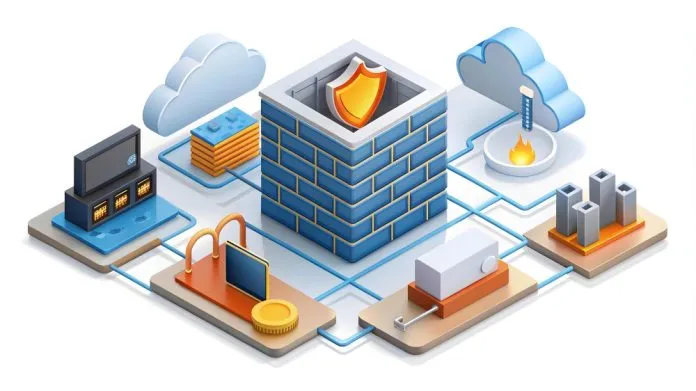
BinaxPay applies industry-leading encryption, data protection, and privacy mechanisms across every region in which the platform operates. Every action, login, transaction, API request, data access, file upload, mobile money event, card operation, passes through a fully secured environment designed to prevent breaches, unauthorized access, data leakage, or manipulation. The system meets the highest international security standards while adapting to region-specific data protection laws. 1. End-to-End Encryption for All Data Transfers All communication across the platform is encrypted to prevent interception. Capabilities:TLS 1.3 for all network traffic Encrypted API requests and responses Secure certificate pinning for mobile apps Payload integrity validation Encrypted webhook deliveryReal example: A partner triggers a payout via API, data travels fully encrypted across all hops, even between internal services. 2. AES-256 Encryption at Rest Across All Regions All sensitive data stored in databases, ledgers, and storage buckets is encrypted using AES-256. Protected data:User information Transaction logs Compliance documents Treasury pool records Merchant files KYC and KYB uploads Card tokensReal example: A user uploads verification documents, files are encrypted instantly and stored in a secured regional vault. 3. Tokenization of Sensitive Payment Data Payment credentials and financial data are never stored in raw form. Capabilities:Card PAN tokenization Bank account tokenization Encrypted device tokens Transaction ID maskingReal example: Even internal engineers cannot view a full card number, only a secure token tied to the user session. 4. Region-Specific Data Isolation BinaxPay complies with local and international data laws by storing data within proper jurisdictions. Regions:EU: GDPR-compliant EU zones UK: UK-specific storage US: US-only storage Africa and Asia: region-isolated nodes when requiredReal example: A user from France has all personal data stored exclusively in EU infrastructure, never transferred abroad. 5. Zero-Trust Access and Identity Validation All internal and external requests must prove identity before accessing any data. Security controls:MFA for partners and staff Short-lived access tokens Device fingerprinting Role-based permissions Step-up authentication for sensitive actionsReal example: An internal analyst attempting to view treasury data must pass additional identity verification. 6. Encrypted Global Ledger Architecture The ledger is encrypted and replicated securely across multiple zones. Capabilities:Encrypted ledger blocks Immutable transaction history Tamper-proof audit logs Encrypted backup snapshotsReal example: If a ledger replica is compromised, attackers cannot read or alter the encrypted transaction data. 7. Secure API Keys and Secret Management All API secrets are stored in hardened vaults. Features:Encrypted key storage Automatic rotation Per-partner isolation IP allowlisting Environment-specific credentialsReal example: If a partner rotates their API key, the previous key becomes invalid immediately, no overlap or risk. 8. Continuous Encryption Monitoring The system tests and validates encryption integrity 24/7. Tools:Automated certificate renewal Vulnerability scanning TLS strength analysis Encryption health dashboards Real-time attack detectionReal example: If an outdated cipher is detected, alerts trigger automatic remediation before any risk occurs. 9. Secure Access Path for Governments and Institutions High-security environments protect government integrations. Protections:VPN and private routing Encrypted API tunnels Device-locked access Multi-layer identity verificationReal example: A ministry retrieves subsidy payout reports through a private, encrypted data channel isolated from public access. 10. Bulletproof Backup and Disaster Recovery Encryption Backups are encrypted, versioned, and isolated. Capabilities:Encrypted region-specific backups Cross-region encrypted replicas Disaster recovery in minutes Full restore chain integrityReal example: Even if a backup storage zone is compromised, attackers cannot decrypt or misuse the encrypted data. 11. Compliance-Grade Encryption Standards BinaxPay aligns with major international frameworks:GDPR ISO 27001 PCI DSS principles Financial regulatory guidelines Sanctions and AML reporting standardsReal example: All sensitive compliance documents undergo encryption and automatic classification before being stored. 12. Application-Level Encryption: Last Layer of Defense Encryption is embedded directly into platform logic. Capabilities:Field-level encryption Sensitive value obfuscation Secure session tokens Encrypted user preferences Secure QR and link generationReal example: An invoice containing sensitive customer data is encrypted before being delivered via API or webhook. Conclusion BinaxPay protects every byte of data using advanced encryption and multi-region data security standards. With end-to-end TLS, AES-256 at rest, tokenization, zero-trust access, secure vaults, region-specific isolation, and continuous monitoring, the platform delivers unmatched protection for users, partners, merchants, governments, and enterprise clients worldwide.
- BinaxPay Team
- 15 Feb, 2026
- 4 mins read
Secure Cloud Architecture Behind BinaxPay
BinaxPay operates on a security-first cloud architecture designed to protect user data, financial transactions, government integrations, merchant operations, and multi-country financial infrastructure. Every layer, network, storage, compute, API, compliance, and identity, is hardened with enterprise-grade security controls. The architecture is built for zero-trust environments, continuous monitoring, encrypted communication, and complete regulatory alignment across all regions. 1. Zero-Trust Security Model BinaxPay applies a strict zero-trust framework. Principles:No implicit trust Identity verification on every request Device fingerprinting Continuous authentication Dynamic access rules Environment separationReal example: A partner from Uganda logging in from a new device must pass additional security verification before accessing dashboards. 2. Fully Encrypted Data Storage and Communication All data is encrypted end-to-end. Capabilities:Encryption in transit (TLS 1.3) Encryption at rest (AES-256) Tokenized sensitive data Hashed identity fields Secure vault for secret and API key storageReal example: User card metadata is tokenized; even internal staff cannot view full card details. 3. Multi-Region Cloud Infrastructure With Jurisdiction Control Data is stored in compliance with regional laws. Capabilities:EU data stored in EU zones UK data stored in UK zones US data stored in US zones Jurisdiction-specific isolation Automatic failover between zonesReal example: A French user's data never leaves the EU region, ensuring GDPR compliance. 4. Microservice Isolation for Maximum Security Each service, ledger, KYC, payouts, FX, cards, treasury, runs in a secure isolated microservice. Benefits:No lateral movement Services cannot access each other without authorization Contained security breaches Simplified monitoringReal example: A merchant module exploit cannot affect the ledger or treasury engine due to strict isolation. 5. API Gateway With Layered Security Controls All external traffic flows through a hardened API gateway. Security features:OAuth2 and JWT for authentication Rate limiting IP whitelisting Geo-fencing Device signature checks Threat detectionReal example: Suspicious login attempts from an unexpected region trigger an immediate block and admin notification. 6. Identity and Access Management (IAM) With Role Isolation Access is strictly controlled for partners, merchants, staff, and institutions. Capabilities:Role-based access Multi-factor authentication Privilege separation Approval workflows Temporary access tokens No permanent admin credentialsReal example: Support staff can view a user's profile but cannot trigger payouts or modify treasury balances. 7. Continuous Threat Monitoring and Intrusion Detection The platform is actively monitored 24/7. Capabilities:Anomaly detection Intrusion prevention systems DDoS protection Behavioral threat analysis Automated alerts Real-time log streamingReal example: If the system detects an unusual API spike, requests are rate-limited while alerts are sent to the security team. 8. Secure Development and Deployment Pipeline Security is integrated into every stage of software development. Features:Code scanning Dependency vulnerability checks Container security validation Automated security testing Restricted deployment approvalsReal example: Before deployment, any code touching the ledger must pass additional security review and automated test suites. 9. Redundancy and Secure Backup Architecture Backups are encrypted and stored in multiple secure regions. Capabilities:Automated backups Snapshot recovery Cold storage for critical data Disaster recovery playbooksReal example: If a UK storage cluster becomes unavailable, encrypted replicas in EU and US regions restore automatically. 10. Compliance-Aligned Cloud Security Infrastructure is built to align with international standards. Aligned frameworks:GDPR ISO 27001 PCI DSS principles Local data protection laws Financial regulatory requirements Sanctions and AML compliance frameworksReal example: Sensitive documents uploaded during KYC are encrypted, flagged for access control, scanned for malware, and logged for auditing. 11. Application-Level Security With Multiple Protection Layers Security is built directly into application logic. Capabilities:Anti-fraud logic API misuse detection Session expiration CSRF protection Brute-force prevention Secure temporary session tokensReal example: If a user enters incorrect login credentials multiple times, the system enforces temporary lockout and requires MFA verification. 12. Secure Logging and Audit Trails Every action is recorded securely. Capabilities:Tamper-proof logs Forensic-friendly audit records Ledger event logs Partner activity monitoring Government integration logsReal example: Any attempt to modify user limits triggers an immutable audit entry visible to compliance officers. Conclusion BinaxPay's secure cloud architecture delivers the highest standard of safety, reliability, and regulatory alignment across global financial operations. With multi-layer encryption, zero-trust models, jurisdictional data isolation, real-time monitoring, microservice isolation, and enterprise-grade IAM, the platform remains protected against emerging threats while maintaining continuous availability. This security foundation ensures trust for users, partners, merchants, governments, and institutions worldwide.
- BinaxPay Team
- 03 Dec, 2025
- 3 mins read
PCI-DSS, Data Security & Encryption Standards
Payment data security is a mandatory requirement for every fintech, PSP, issuer, and merchant handling card information. PCI-DSS and modern encryption standards ensure that card data, user information, and financial transactions remain protected against breaches, misuse, and fraud. This post explains the core security concepts and how they operate inside a real fintech ecosystem. 1. What Is PCI-DSS? PCI-DSS (Payment Card Industry Data Security Standard) is a global security framework required for anyone who stores, processes, or transmits card data. It ensures strict protection of card numbers (PAN), CVV and CVC, expiration dates, cardholder data, and transaction information. Any company handling card data must comply. 2. PCI-DSS Levels Compliance is divided into four levels based on transaction volume:Level 1: Large processors (over 6M transactions per year) Level 2: Mid-size processors Level 3: Small ecommerce merchants Level 4: Small businessesFintech issuers typically operate under Level 1, the highest requirement. 3. Core PCI-DSS Requirements To be compliant, organizations must follow strict security controls:Firewall protection Encrypted transmission of data Strong access control Unique IDs for staff Anti-malware systems Restricting card data storage Physical security of servers Regular security testing Logging and monitoring of all access Incident response proceduresThese rules guarantee that card data is never exposed in raw form. 4. Tokenization (Replacing PAN With Tokens) Tokenization replaces the actual card number with a random token. Example: Instead of storing: 4111 1111 1111 1111 The system stores: tk_98af2921d3 This prevents exposure even if a database is compromised. 5. Encryption Standards Fintech platforms must encrypt all sensitive data using:AES-256 for data at rest TLS 1.2+ for data in transit HSMs (Hardware Security Modules) for key managementEncryption ensures no plaintext card data is accessible. 6. Network Segmentation Card-processing systems must be isolated from the rest of the infrastructure. PCI zones include card issuing environment, payment processing zone, secure network for sensitive data, and an isolated API gateway layer. Segmentation reduces risk and limits exposure. 7. Access Control and Zero-Trust Security No employee has default access to sensitive data. Rules include:Principle of least privilege Multi-factor authentication for admin access Strict role separation (engineers, compliance, support) Real-time access loggingSensitive environments require approval-based temporary access. 8. Regular Audits and Penetration Testing PCI-DSS requires quarterly scans, annual penetration tests, yearly certification audits, daily log reviews, and continuous monitoring of systems. This ensures security remains up to date. 9. Incident Response Requirements If suspicious activity is detected, the platform must identify the breach, isolate affected systems, notify relevant card networks, produce forensic logs, and restore secure operations. Response must follow PCI protocols. 10. Real-Life Example A fintech launching virtual cards in Germany wants to store card data securely. Under PCI-DSS, card numbers are stored only inside an HSM-secured card vault. When a user views their card number in the app, the app receives a temporary tokenized version. The card vault decrypts the PAN only inside a PCI-secure zone. No engineer or support agent can ever view the raw card number. All access attempts are logged and regularly audited. Encrypted data flows comply with EU security and GDPR requirements. The fintech can issue cards safely, pass audits, and operate across the EU without security risk. These standards ensure that all card data, transaction information, and sensitive financial records remain secure, encrypted, and fully protected in every region where the fintech operates.