Technology
Details BinaxPay's technical foundation, including microservices architecture, API ecosystem, infrastructure design, security layers, AI engine, and system scalability. This section shows how the platform is built and how it integrates with partners and enterprises.

-
 BinaxPay Team
 - 15 Feb, 2026
- 3 mins read
Enterprise-Grade Uptime: How We Achieve 99.99% Reliability
BinaxPay is engineered for continuous global availability. Our infrastructure is designed to operate without interruption across Europe, the UK, the US, Africa, Asia, and LATAM, even during peak traffic, system upgrades, or regional outages. Through redundancy, intelligent failover, active monitoring, and distributed architecture, we deliver true enterprise-grade uptime of 99.99%, ensuring that users, merchants, partners, and regulators can rely on BinaxPay at any moment. 1. Fully Redundant Multi-Region Infrastructure Every core component of BinaxPay exists in multiple regions at the same time. Redundant layers:Compute clusters Database replicas API gateways Routing engines Storage systems Compliance nodes FX and treasury servicesIf any region goes offline, traffic auto-redirects to another zone. Real example: If the EU cluster experiences maintenance, users automatically switch to the UK or US cluster with no downtime. 2. Active-Active Architecture Across All Continents BinaxPay does not rely on a single primary system. Every region is active simultaneously. Benefits:Zero single point of failure Seamless traffic redistribution Automatic multi-region load balancing Instant failoverThis ensures full global availability even when demand spikes. 3. Automated Failover for All Critical Systems Every core service, ledger, card engine, payment routing, FX, compliance, has multiple live copies ready to take over if one fails. Failover events trigger when:Hardware fails Network link drops Data center disruption Regional outage Service degradationAll failover happens automatically. Real example: If a US database node becomes slow, traffic reroutes to a real-time replica in London. 4. Distributed Ledger for Real-Time Continuity The internal ledger is mirrored across three continents, ensuring it stays online under all conditions. Features:Multi-master synchronization Zero-loss transaction logging Geographically distributed clusters Real-time replicationEven if a full region goes offline, ledger operations continue. 5. Intelligent Load Balancing Across Regions Traffic is routed based on:Latency Service availability Corridor priority User location Failover eventsThe routing engine ensures each request hits the optimal region. Real example: African transactions may route through the Middle East cluster for fastest execution. 6. 24/7 Global Monitoring and Automated Incident Response BinaxPay systems are monitored constantly with real-time alerts. Monitoring includes:System latency API error rate Service degradation Suspicious traffic spikes Packet loss Card authorization healthAutomated scripts restart or switch services instantly if something goes wrong. 7. Zero-Downtime Updates and Rolling Releases Updates are deployed without taking the system offline. Upgrade model:One region updates at a time Traffic moves to other regions Updated region reintegrates Next region starts updatingThis ensures service continuity during upgrades. 8. High-Availability Databases With Multi-Zone Replication All databases run in HA clusters. Capabilities:Auto-replication Automatic node healing Instant rollback Disaster-resistant snapshotsReal example: If a storage zone in one region fails, the replica in another zone takes over within seconds. 9. Disaster Recovery Across Continents BinaxPay maintains disaster recovery readiness in Europe, the UK, the United States, and Asia backup zones. DR capabilities:Cross-region restore Isolated redundancy Backup-ledger resync Emergency capacity burstThis protects the system against catastrophic regional events. 10. Merchant, Mobile Money, and Card Networks Stay Online Even external rails are abstracted behind reliability layers that re-route:Card authorizations Mobile money payouts Bank transfers Merchant settlement FX calculationsIf one external partner slows down, the system switches automatically. Real example: If MTN API becomes slow, payouts temporarily switch to bank rails or alternative channels. 11. Self-Healing Services If a microservice becomes unresponsive:The system replaces the instance Restarts containers Reroutes traffic Rebalances nodes Restores healthy replicasThis happens without human intervention. 12. Designed to Support Millions of Users The infrastructure handles:High-volume fintech traffic Burst card spending Peak remittance hours Enterprise batch payouts Multi-country merchant flowsAll without downtime. Conclusion BinaxPay achieves 99.99% uptime by combining global redundancy, real-time failover, multi-region replication, rolling upgrades, intelligent routing, and self-healing automation. This enterprise-grade stability ensures that users, merchants, partners, and governments can trust the platform to stay online, no matter the time, location, or load.

- BinaxPay Team
- 15 Feb, 2026
- 4 mins read
How We Isolate Risk Using Multi-Layer System Segmentation
BinaxPay is engineered with strict multi-layer system segmentation to isolate risk, protect sensitive components, and prevent any single failure from affecting the wider ecosystem. Instead of running all financial services inside one environment, every core function, ledger, routing, cards, compliance, treasury, mobile money, API gateways, and reporting, is separated into independent security zones. This architecture ensures that even if one part of the system faces high load, malicious activity, or a technical issue, the rest of the platform continues to operate safely and without interruption. 1. Full Separation of Critical Financial Components Every major system runs in its own isolated segment. Segments include:Ledger cluster Card issuing and authorization engine Payment routing engine Mobile money connectors Treasury pools and liquidity manager Compliance and risk scoring engine API gateways Partner integrations Reporting and analyticsEach segment has its own security rules, compute resources, access controls, and failover systems. Real example: If a mobile money API provider experiences an outage, the ledger, card engine, and bank transfers continue running without interruption. 2. Zero-Trust Communication Between Segments Every segment communicates with others through authenticated, audited, encrypted channels. Controls include:Token-based authentication Mutual TLS Signed request validation Device and service identity Minimum-privilege routingNo segment trusts another by default. 3. Risk-Isolated Transaction Processing Transactions pass through multi-stage risk controls before touching core systems. Layers:API gateway risk filter: blocks suspicious traffic early Routing risk check: evaluates corridor and device risk Compliance engine: sanctions, AML, PEP, behavioral scoring Ledger access control: only clean, validated transactions reach ledgerReal example: If a high-risk device attempts a payout, the API gateway blocks it before it can access routing or ledger systems. 4. Segmented Ledger Access for Maximum Safety The ledger runs in a fully isolated zone with:No direct internet exposure Internal-only traffic Restricted service identity access Encrypted storage Separate compute nodesOnly pre-approved internal services can request ledger operations. 5. Card Network Segmentation for Global Stability Card systems are fully separated from:Mobile money Bank transfers Local payout rails FX engine Treasury operationsThis ensures card traffic spikes do not affect other services. Real example: Black Friday card volume does not slow down payouts in Africa or Asia. 6. Compliance and Risk Engine in a Dedicated Zone All compliance checks operate in their own isolated environment:AML scanning Sanction lists KYC records Behavioral scoring Machine-learning risk modelsNo sensitive compliance data touches external-facing services. 7. Treasury and Liquidity Segmentation for Safety Each treasury pool, EU, UK, US, Africa, LATAM, Asia, operates in its own secure zone. Benefits:Liquidity safety Controlled FX execution Isolated balance management Corridor protectionA liquidity issue in one region never affects others. Real example: If a local payout rail in Ghana becomes unavailable, the EUR, GBP, USD, and other regional pools remain unaffected. 8. External Rail Segmentation (Mobile Money, Banks, PSPs) Connections to external providers are isolated in connector zones. Includes:Bank APIs Mobile money providers Local PSPs Card networks Agent networksAny external outage is contained and cannot impact the core system. 9. Independent Monitoring, Logging, and Fraud Detection Monitoring systems run separately from operational components to prevent tampering. Capabilities:Event isolation Real-time alerts Suspicious pattern identification Per-segment traffic scoringThis allows targeted shutdown of risky actions without affecting the entire system. 10. Micro-Firewalls Around Every Segment Each zone is protected with micro-firewalls that define:Allowed IPs Allowed protocols Service identities Traffic direction rules Rate limits Anomaly detectionAnything outside defined rules is blocked. 11. Horizontal Segmentation for High-Volume Events If a segment receives high traffic:It scales independently It absorbs load It does not affect other segmentsReal example: If many users top up via mobile money, the mobile money connector expands automatically without touching FX or routing performance. 12. Vertical Segmentation to Protect Sensitive Data Sensitive systems such as:Ledger Compliance KYC TreasuryRun on higher-security layers with stricter controls than public-facing systems. Conclusion BinaxPay isolates risk using strict system segmentation across every layer of the platform. Each component, ledger, cards, payments, compliance, mobile money, treasury, FX, routing, operates inside its own secure, independent environment. This guarantees that failures, risk events, traffic spikes, or external issues never spread across systems, ensuring continuous safety, stability, and reliability for all users, partners, and global operations.

- BinaxPay Team
- 15 Feb, 2026
- 3 mins read
Technology That Supports Mobile Money, Banks & Cards Together
BinaxPay is designed to unify three major financial ecosystems, mobile money, traditional banking, and global card networks, into one seamless platform. Instead of treating these systems as separate channels, the technology connects them through a single orchestration layer that synchronizes wallets, banks, cards, payouts, FX, risk scoring, and settlement. This creates a fully interoperable infrastructure that works across Africa, Asia, LATAM, the Middle East, Europe, the UK, and the US. 1. One Wallet That Works Across All Rails Users can move money between:Mobile money Local bank accounts Cards (virtual and physical) Merchant wallets International partnersAll from a single balance. Real example: A user in Kenya loads 2000 KES via M-Pesa and can instantly spend it online using a virtual Visa card issued by BinaxPay. 2. Unified Routing Engine for All Channels The routing engine automatically chooses the best rail based on:Speed Cost Corridor rules Liquidity availability Compliance score Payout typeReal example: A payout request in Ghana automatically routes to MTN Mobile Money if it is faster than bank transfer. 3. Mobile Money Layer Fully Integrated Supports all major networks:M-Pesa MTN Airtel Tigo Vodacom Orange MoneyCapabilities:Instant cash-in Instant cash-out Merchant wallet settlement Agent payouts Local corridor routingReal example: A user receives funds on Airtel Money within 3 seconds after someone pays from Europe. 4. Bank Rail Integration for Local and International Use Supports:Local bank deposits Local withdrawals Instant and non-instant rails Account verification IBAN-style payouts SME banking featuresReal example: A business in Nigeria uses its BinaxPay wallet to pay suppliers directly to their local NGN bank accounts. 5. Card Network Integration (Visa, Mastercard, and Local Schemes) Supports:Virtual cards Physical cards Tokenized cards (Apple Pay and Google Pay) Merchant acceptance Online and POS paymentsReal example: A user loads money via mobile money in Uganda and immediately pays a Netflix subscription using a virtual card. 6. All Channels Connected Through One Ledger Every operation updates the global ledger instantly:Card payments Mobile money payouts Bank transfers Wallet transfers FX conversions Merchant settlementsReal example: A card payment in Spain reduces EUR wallet balance and triggers release of KES in Kenya's local pool for a family payout. 7. Real-Time FX Engine Built Into Every Channel FX applies automatically for:Card spending abroad International payouts Mobile money conversions Multi-currency wallets Merchant settlementReal example: A user in India pays for a service priced in USD. The system converts INR to USD instantly using internal FX. 8. Treasury Pools Keep All Channels Funded Each region has its own liquidity pool, allowing:Instant payouts Local settlement Stable mobile money availability Card authorization liquidity Merchant settlement balanceReal example: A payout in Ghana happens instantly because the GHS pool already holds funds, no cross-border transfer needed. 9. Unified Compliance Engine Across All Rails Every transaction passes through:Sanctions screening PEP checks AML rules Behavioral analysis Corridor risk scoring Device fingerprint checksReal example: A suspicious mobile money cash-out triggers a biometric verification request before release. 10. Merchant Tools Work Across Mobile Money, Banks, and Cards Merchants can receive payments from any channel:Mobile money Cards IBAN transfers QR codes Agent networksAll settlement happens inside one unified dashboard. 11. API Layer Connects All Rails to Any External System Partners can integrate:Card issuing Mobile money payouts Bank payments FX conversions Merchant settlement Compliance checksReal example: A ride-hailing app integrates BinaxPay for instant driver payouts via M-Pesa plus card top-up options for customers. 12. Unified Reporting and Reconciliation All channels are merged into one reporting suite:Mobile money logs Bank settlement Card transactions FX records Bulk payouts Merchant settlementsOne report covers everything. Conclusion BinaxPay's technology unifies mobile money, bank accounts, and card networks into a single financial engine that works in real time across continents. By bridging local rails with global payments, the platform gives users, businesses, and partners a fully interoperable system capable of serving the next generation of digital economies.
- BinaxPay Team
- 15 Feb, 2026
- 4 mins read
Secure Cloud Architecture Behind BinaxPay
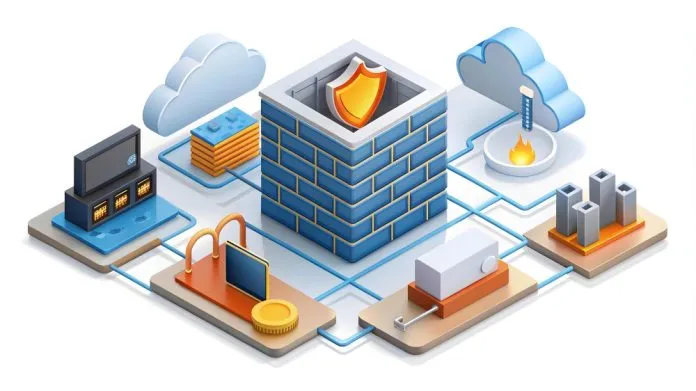
BinaxPay operates on a security-first cloud architecture designed to protect user data, financial transactions, government integrations, merchant operations, and multi-country financial infrastructure. Every layer, network, storage, compute, API, compliance, and identity, is hardened with enterprise-grade security controls. The architecture is built for zero-trust environments, continuous monitoring, encrypted communication, and complete regulatory alignment across all regions. 1. Zero-Trust Security Model BinaxPay applies a strict zero-trust framework. Principles:No implicit trust Identity verification on every request Device fingerprinting Continuous authentication Dynamic access rules Environment separationReal example: A partner from Uganda logging in from a new device must pass additional security verification before accessing dashboards. 2. Fully Encrypted Data Storage and Communication All data is encrypted end-to-end. Capabilities:Encryption in transit (TLS 1.3) Encryption at rest (AES-256) Tokenized sensitive data Hashed identity fields Secure vault for secret and API key storageReal example: User card metadata is tokenized; even internal staff cannot view full card details. 3. Multi-Region Cloud Infrastructure With Jurisdiction Control Data is stored in compliance with regional laws. Capabilities:EU data stored in EU zones UK data stored in UK zones US data stored in US zones Jurisdiction-specific isolation Automatic failover between zonesReal example: A French user's data never leaves the EU region, ensuring GDPR compliance. 4. Microservice Isolation for Maximum Security Each service, ledger, KYC, payouts, FX, cards, treasury, runs in a secure isolated microservice. Benefits:No lateral movement Services cannot access each other without authorization Contained security breaches Simplified monitoringReal example: A merchant module exploit cannot affect the ledger or treasury engine due to strict isolation. 5. API Gateway With Layered Security Controls All external traffic flows through a hardened API gateway. Security features:OAuth2 and JWT for authentication Rate limiting IP whitelisting Geo-fencing Device signature checks Threat detectionReal example: Suspicious login attempts from an unexpected region trigger an immediate block and admin notification. 6. Identity and Access Management (IAM) With Role Isolation Access is strictly controlled for partners, merchants, staff, and institutions. Capabilities:Role-based access Multi-factor authentication Privilege separation Approval workflows Temporary access tokens No permanent admin credentialsReal example: Support staff can view a user's profile but cannot trigger payouts or modify treasury balances. 7. Continuous Threat Monitoring and Intrusion Detection The platform is actively monitored 24/7. Capabilities:Anomaly detection Intrusion prevention systems DDoS protection Behavioral threat analysis Automated alerts Real-time log streamingReal example: If the system detects an unusual API spike, requests are rate-limited while alerts are sent to the security team. 8. Secure Development and Deployment Pipeline Security is integrated into every stage of software development. Features:Code scanning Dependency vulnerability checks Container security validation Automated security testing Restricted deployment approvalsReal example: Before deployment, any code touching the ledger must pass additional security review and automated test suites. 9. Redundancy and Secure Backup Architecture Backups are encrypted and stored in multiple secure regions. Capabilities:Automated backups Snapshot recovery Cold storage for critical data Disaster recovery playbooksReal example: If a UK storage cluster becomes unavailable, encrypted replicas in EU and US regions restore automatically. 10. Compliance-Aligned Cloud Security Infrastructure is built to align with international standards. Aligned frameworks:GDPR ISO 27001 PCI DSS principles Local data protection laws Financial regulatory requirements Sanctions and AML compliance frameworksReal example: Sensitive documents uploaded during KYC are encrypted, flagged for access control, scanned for malware, and logged for auditing. 11. Application-Level Security With Multiple Protection Layers Security is built directly into application logic. Capabilities:Anti-fraud logic API misuse detection Session expiration CSRF protection Brute-force prevention Secure temporary session tokensReal example: If a user enters incorrect login credentials multiple times, the system enforces temporary lockout and requires MFA verification. 12. Secure Logging and Audit Trails Every action is recorded securely. Capabilities:Tamper-proof logs Forensic-friendly audit records Ledger event logs Partner activity monitoring Government integration logsReal example: Any attempt to modify user limits triggers an immutable audit entry visible to compliance officers. Conclusion BinaxPay's secure cloud architecture delivers the highest standard of safety, reliability, and regulatory alignment across global financial operations. With multi-layer encryption, zero-trust models, jurisdictional data isolation, real-time monitoring, microservice isolation, and enterprise-grade IAM, the platform remains protected against emerging threats while maintaining continuous availability. This security foundation ensures trust for users, partners, merchants, governments, and institutions worldwide.

- BinaxPay Team
- 15 Feb, 2026
- 4 mins read
Unified Platform Layer for Cards, Payments & FX
BinaxPay's unified platform layer brings cards, payments, and FX together into one synchronized engine. Instead of operating these components separately, the system processes them through a single orchestration layer that connects the ledger, treasury pools, routing engine, compliance, mobile money, merchant tools, and FX engine. This unified approach delivers instant execution, consistent pricing, stable settlement, and a seamless experience across all regions. 1. One Engine for All Payment Types The unified layer processes every transaction type through the same pipeline. Supported transactions:Card payments Mobile money payouts Bank transfers Wallet-to-wallet Merchant settlement FX conversions Bulk payouts Cash-in and cash-out eventsReal example: A user pays using a virtual card, the system deducts wallet balance, applies FX, updates the ledger, and settles the merchant instantly. 2. Real-Time Ledger Synchronization All transactions, cards, payments, or FX, update the global ledger in real time. Capabilities:Multi-currency indexing Atomic balance updates Instant FX application Unified settlement records Mirrored updates across regionsReal example: A card payment in Spain instantly reduces EUR balance and sends a settlement signal to the merchant engine. 3. Smart Routing Inside the Unified Layer Routing decisions apply to all payment flows automatically. Routing logic:Fastest rail Most cost-efficient path Corridor liquidity health Fallback systems Compliance score indexReal example: A payout triggers mobile money routing first; if slow, it switches automatically to bank rails. 4. Unified FX Engine for All Currencies Every payment passing through the unified layer can trigger instant FX. FX features:Live rate calculation Corridor-based spreads Automated virtual conversion Multi-currency wallet support Pool balancing logicReal example: A EUR to GHS salary payout instantly applies FX and releases GHS from the local pool. 5. Card Engine Integrated Into All Other Modules Cards operate seamlessly within the bigger financial flow. Capabilities:Virtual and physical cards Spending controls MCC rules Card transaction monitoring Real-time authorizationReal example: A user buys online, the card engine checks wallet balance, routing engine approves, ledger updates, and merchant settlement starts. 6. Merchant Payments Integrated Into the Same Layer Merchants benefit from unified processing. Capabilities:Instant settlement Bulk payouts Refunds Recurring payments Real-time reconciliationReal example: A merchant receives settlement seconds after a user pays with a BinaxPay-issued card. 7. Unified Compliance and Risk Checks Every card, payment, and FX operation passes through the same compliance logic. Checks:Sanctions AML scoring Behavior analysis Corridor risk mapping Device identity checksReal example: A high-risk card payment triggers a verification request before approval. 8. Treasury Engine Embedded in Every Flow The unified layer communicates with treasury pools instantly. Capabilities:Pool balance validation FX pool interaction Release of local liquidity Multi-region treasury syncReal example: A payout from the US triggers USD pool deduction and instant release from the local African pool. 9. Mobile Money Layer Fully Connected The unified layer routes local payments through mobile money where needed. Supported flows:Cash-in Cash-out Merchant wallet payouts User wallet payouts Agent withdrawalsReal example: A user receives money via M-Pesa seconds after someone pays with a BinaxPay card abroad. 10. Bulk Transaction Engine for High-Volume Activity Bulk operations run inside the unified pipeline without affecting speed. Capabilities:Government payouts Payroll Mass merchant settlement Corridor-specific batch optimizationReal example: A company processes 10,000 salary payouts across three countries in minutes. 11. Unified Reporting and Reconciliation All data flows into a single reporting layer. Reports include:All card transactions All wallet transfers All payouts FX activity Merchant settlement logs Treasury movements Compliance eventsReal example: A partner downloads a full settlement report with both FX and mobile money payouts included. 12. Region-Aware Infrastructure for Global Scale Unified layer adapts to the region where the transaction occurs. Region logic:Localized FX Region-specific payout rails Local compliance rules Multi-language integration Local treasury poolsReal example: A EUR card purchase in Kenya settles in KES instantly using the local treasury pool. Conclusion The unified platform layer connects cards, payments, and FX into one intelligent system that processes everything instantly and consistently across continents. By synchronizing ledger operations, compliance checks, routing logic, treasury pools, mobile money layers, and FX intelligence, BinaxPay delivers a seamless global financial infrastructure capable of supporting millions of users, thousands of merchants, and multi-continent partners with unmatched reliability and scalability.

- BinaxPay Team
- 15 Feb, 2026
- 3 mins read
How BinaxPay Integrates With Merchants and Enterprises
BinaxPay provides a full-stack integration framework that connects directly with merchants, enterprises, platforms, apps, and government systems. The goal is simple: enable businesses to accept payments, make payouts, manage liquidity, run global settlement, and access real-time financial tools, all through one unified system. Merchants and enterprises connect to BinaxPay through APIs, plugins, widgets, mobile money rails, card networks, and bank transfer infrastructure. 1. One Integration for All Payment Channels Businesses integrate once and access all major rails:Cards (Visa, Mastercard, local schemes) Mobile money Local bank transfers QR payments Wallet-to-wallet Bulk payouts Subscription billing Recurring settlement International payoutsReal example: A hotel in Kenya accepts card payments online, mobile money at reception, and settles to its bank account, all through one BinaxPay integration. 2. API-First Architecture for Developers Enterprises connect through a unified API layer offering:Payment creation Payment links Payout initiation Merchant settlement Card charging Verification calls FX requests Reconciliation endpointsThe API design is consistent across all services. 3. Plugins, SDKs, and No-Code Tools Merchants can integrate without writing code using:E-commerce plugins Mobile SDKs Payment links Invoicing tools Checkout widgets QR payment generatorsReal example: A small online store uses a payment link to accept USD to NGN payments instantly. 4. Multi-Rail Acceptance for Every Merchant Type BinaxPay supports:Online checkout In-store POS QR codes Mobile money merchant IDs Recurring billingReal example: A retail shop uses QR codes for in-store M-Pesa payments and card terminals for card customers. 5. Instant Merchant Settlement Merchants receive funds instantly through:Mobile money Local bank accounts Wallet settlement Agent cash-out Cross-corridor settlementReal example: A food delivery platform pays riders instantly via mobile money using the BinaxPay payout API. 6. Advanced Merchant Dashboard Enterprises get a real-time dashboard with:Payment logs Settlement reports FX history Payout records Chargeback tools Revenue analytics Fraud alertsEverything updates instantly through the global ledger. 7. Enterprise Payout Engine Large companies can send thousands of payouts at once using:Bulk payout API CSV upload Scheduled payouts Automated payroll rulesReal example: An e-commerce company sends 8,000 vendor payouts across Nigeria, Ghana, and Kenya in minutes. 8. Built-In FX Management for Global Merchants Merchants processing multi-currency payments receive:Real-time FX Corridor-based pricing Automatic settlement currency selection Virtual FX routingReal example: A merchant in Ghana accepts USD from US customers but settles instantly in GHS. 9. Fraud and Risk Engine for Merchant Protection Integrated tools include:Behavioral fraud scoring Card risk analysis Mobile money fraud prevention Block and allow lists Velocity checks IP and device fingerprintingSuspicious transactions are stopped before settlement. 10. Compliance Tools for Large Enterprises Enterprise integrations include:KYC and AML verification Sanctions screening Audit logs Corridor compliance rules Regulated reportingIdeal for platforms handling large volumes of users. 11. Treasury and Liquidity Tools for Corporate Clients Enterprises can use:Multi-currency wallets Local treasury pools Settlement scheduling Liquidity tracking Internal ledger accessReal example: A logistics company tracks liquidity across eight African markets and settles daily using automated payouts. 12. Seamless Integration With Mobile Money Networks BinaxPay connects merchants directly to:M-Pesa MTN Airtel Vodacom Orange Money TigoUse cases: Ride-hailing apps, e-commerce, digital services, government payouts. 13. POS and Terminal Support for Physical Stores BinaxPay supports:Card terminals QR POS systems NFC devices App-based POSReal example: A restaurant accepts both mobile money and card tap-to-pay on the same terminal. 14. Cross-Platform Integration for Apps and Platforms Ideal for:Marketplaces Gig platforms Government portals Fintech apps Utility providers Travel companiesEach can embed payments and payouts directly inside their systems. 15. Unified Settlement Across All Channels Card, wallet, bank, and mobile money settlements flow into one unified merchant balance with full reporting. Conclusion BinaxPay integrates with merchants and enterprises through an extremely flexible system designed for high scalability and global coverage. With unified APIs, mobile money rails, card networks, bank transfers, and enterprise settlement tools, BinaxPay offers a single financial infrastructure that serves every business, from small merchants to multinational enterprises.

- BinaxPay Team
- 15 Feb, 2026
- 3 mins read
Why Our Modular Architecture Makes BinaxPay Future-Proof
BinaxPay is engineered on a modular architecture designed for long-term scalability, rapid global expansion, and unstoppable operational resilience. Instead of building a single monolithic banking system, BinaxPay uses independent components, each capable of evolving, upgrading, scaling, or being replaced without affecting the others. This is the core reason BinaxPay can enter new markets quickly, launch new products without downtime, integrate new partners on demand, and stay technologically relevant for decades. 1. Independent Modules That Scale Without Limits Each core function operates as a separate module:Accounts and wallets Ledger FX engine Compliance engine Mobile money layer Card issuing layer Merchant engine ERP tools Treasury and liquidity API layer Partner dashboards AI behavioral riskWhy it matters: If one module needs improvement, nothing else breaks. Real example: When adding a new mobile-money integration in Uganda, the rest of the system stayed untouched, no downtime, no rebuild. 2. Easy to Enter New Countries New countries only require adding:A local treasury pool Local payment connectors (mobile money or bank rails) Local KYC rules Corridor FX pricingThe core system stays the same. Real example: When expanding into Brazil, BinaxPay added BRL as a local currency module and connected it to the treasury engine, no global reconfiguration required. 3. Zero Downtime for Product Upgrades New features can be added without stopping the system:New card programs New payment rails New compliance rules New dashboards New API endpoints New business toolsEach module updates independently. Real example: A new invoice module for SMEs was added while thousands of users were transacting, no interruptions. 4. Faster Innovation Cycles Because modules are isolated, development teams can work in parallel. Benefits:More updates Faster changes Easier testing Independent deployments Shorter release cyclesReal example: While the compliance team updated risk rules, the ERP team launched a new payroll module simultaneously. 5. Multi-Region Flexibility Built In Different regions have different rules:Africa uses mobile money EU relies on SEPA UK uses Faster Payments US uses ACH and real-time rails LATAM has local bank APIs Asia uses mixed PSP and wallet systemsA modular system adapts instantly. Real example: To launch in Mexico, only the local PSP module and KYC rule-set were added, no impact on existing corridors. 6. Easy Integration With Any Partner Partners can integrate only the modules they need:Wallets Payouts FX Merchant tools ERP Card issuing Dashboards KYCThey do not need the full platform. Real example: A logistics company integrated only payouts and FX into their app, no need for full banking capabilities. 7. Lower Cost and Higher Efficiency A modular system reduces:Maintenance cost Downtime cost Integration cost Infrastructure waste Upgrade complexityReal example: Instead of rebuilding compliance for each corridor, BinaxPay simply plugs in country-specific AML modules. 8. Continuous Adaptation to Regulations When regulations change, only the affected module is updated. Examples:New AML rule: update compliance module New FX rule: update corridor pricing engine New card requirement: update card issuing moduleReal example: A new EU AML requirement was integrated at the module level in hours, no system-wide patch needed. 9. Perfect Foundation for AI and Automation Modularity allows AI agents to plug into each module:AI risk engine AI treasury optimizer AI pricing optimizer AI fraud detection AI ERP insightsReal example: AI detects unusual patterns in the ledger while another AI module optimizes liquidity. 10. Future-Proof for New Technologies Because modules operate independently, the system can easily support:Central bank digital currencies (CBDC) Blockchain integrations New real-time rails New card networks New regulatory frameworks Government digital ID systems Quantum-safe encryptionReal example: A government ID integration was added as an independent module in a single sprint. Conclusion BinaxPay's modular architecture is what makes the platform future-proof. It allows fast expansion, instant upgrades, multi-region flexibility, deep integration capabilities, unstoppable uptime, and cost-efficient innovation. This architecture ensures that BinaxPay can evolve continuously and stay competitive as global finance transforms over the next decade.