Showing Posts From
Compliance

-
 BinaxPay Team
 - 15 Feb, 2026
- 4 mins read
The Full BinaxPay Capability Map: What Our Platform Can Deliver
BinaxPay is designed as a complete global financial infrastructure, one unified system that connects users, businesses, merchants, governments, and local financial operators across multiple continents. Our capabilities go far beyond simple accounts and payments. We deliver a full-stack ecosystem that includes core financial tools, business systems, AI-driven intelligence, local market connectivity, compliance automation, and global money-movement functions. The following capability map breaks down everything the BinaxPay platform can deliver today, along with real-life scenarios that show how these capabilities work across different markets. 1. Global Accounts and Multi-Currency Wallets Users and businesses can hold balances in multiple currencies, send and receive payments, convert money, and store value securely. Capabilities:Multi-currency wallets Personal and business account structure Internal transfers Global top-up methods Virtual accounts for receiving payments Scheduled and recurring transfersReal example: A freelancer in Kenya receives payments in EUR, GBP, and USD, all stored inside their BinaxPay wallet. They withdraw instantly to M-Pesa whenever needed. 2. Cards and Global Spending BinaxPay provides card solutions that work internationally for users and businesses. Capabilities:Virtual cards Physical cards Merchant card acceptance Real-time card controls (freeze, limits, categories) Global online spendingReal example: A user in Ghana creates a virtual card and pays for a Netflix or Amazon subscription instantly without needing a traditional bank. 3. Payments and Transfers (Local and Global) Local and international transfers are processed instantly through synchronized treasury pools. Capabilities:Instant local payouts Mobile money integration Local bank transfers Internal wallet-to-wallet transfers Global corridor payouts Real-time incoming paymentsReal example: A worker in the UK sends 20 GBP to Nigeria, NGN arrives instantly through local payout rails without any cross-border bank movement. 4. FX Conversion and Corridor Pricing BinaxPay performs fast, low-cost FX conversions internally through the ledger. Capabilities:Internal FX engine Multi-currency pricing Corridor-based FX rules Real-time conversion Reduced spread vs traditional banksReal example: A user converts 50 EUR to INR instantly without the high spreads normally charged by banks or remittance providers. 5. Mobile Money Connectivity Mobile money is deeply integrated into the system for Africa and Asia. Capabilities:Cash-in through mobile money Cash-out to mobile money Merchant acceptance via mobile money QR and USSD payment support Real-time transfer to walletsReal example: A delivery driver in Uganda receives daily earnings in UGX via MTN MoMo instantly after each shift. 6. Merchant Services and Payment Acceptance BinaxPay allows businesses to accept payments globally and settle locally. Capabilities:Merchant dashboards Settlement accounts Online payment processing Mobile money merchant acceptance Recurring billing and subscription tools QR-code paymentsReal example: A small grocery store in Nairobi accepts payments via QR, mobile money, or card, all settled instantly to their BinaxPay merchant wallet. 7. Business Tools (ERP and Operations Ecosystem) BinaxPay contains a full suite of business tools for SMEs and enterprises. Capabilities:CRM HR and payroll Inventory management Sales and POS system Invoice creation and B2B payments Financial reports Supplier and vendor paymentsReal example: A shop in Mexico uses BinaxPay’s POS and inventory system to manage stock, receive card payments, pay staff, and view their daily cash flow in one dashboard. 8. AI-Driven Infrastructure and Automation AI enhances every part of the ecosystem. Capabilities:Intelligent fraud detection Automated AML scoring Behavior-based risk modeling Predictive liquidity balancing AI assistant for users and businesses AI-driven customer support AI-based financial planningReal example: A suspicious pattern of repeated low-value transfers triggers an automated AI review that prevents fraud before it happens. 9. Compliance, Risk, and Security Framework BinaxPay is built on strict international compliance and full data protection. Capabilities:Global KYC verification Local KYC for each country AML transaction screening PEP and sanctions monitoring Full audit logs Behavioral risk modeling Secure data encryption Device fingerprintingReal example: A new user from India is instantly verified using local ID checks, face match, sanctions screening, and risk scoring. 10. Country-Level Expansion and Localization The platform adapts to the needs of each partner country. Capabilities:Local language Local currency Local KYC rules Local payout rails Mobile money integration Local merchant tools Agent network support Localized fees and FX rulesReal example: In Uganda, users can withdraw funds through mobile money, cash agents, or bank transfer, all using the Uganda liquidity pool. 11. Joint-Venture and Partnership Capabilities BinaxPay supports governments, local operators, and enterprise partners. Capabilities:Local operator dashboards National corridor management Revenue sharing Liquidity pooling Government integration modules Telecom and bank integrationsReal example: A partner in LATAM operates the local corridor, managing onboarding, local payouts, business clients, and local treasury, while receiving shared revenue. 12. Global Money Movement Architecture BinaxPay supports multi-directional global corridors without cross-border transfers. Capabilities:EU to Africa Africa to Asia US to LATAM UK to Middle East Cross-continent merchant settlement Instant local payouts in each marketReal example: A user in the Philippines receives PHP within seconds when someone sends money from Canada, because the payout is made from the Philippines pool. Conclusion The BinaxPay platform delivers a full-scale financial ecosystem that covers everything from personal accounts to enterprise tools, merchant payments, global corridors, mobile money, AI infrastructure, local connectivity, and joint-venture capabilities. It operates globally but behaves locally. Fast, compliant, scalable, and capable of supporting millions of users across dozens of markets.

- BinaxPay Team
- 15 Feb, 2026
- 4 mins read
End-to-End Digital Banking Capabilities for Global Markets
BinaxPay delivers a complete digital banking ecosystem designed to operate across multiple continents, currencies, and market environments. Our infrastructure provides everything users, merchants, businesses, and partners need to run modern financial operations, fully digital, fully compliant, and fully localized for each country. These capabilities cover account management, payments, cards, FX, mobile money, business tools, compliance, AI intelligence, and multi-country expansion. Below is the full capability breakdown with real-life examples. 1. Multi-Currency Accounts for Users and Businesses BinaxPay provides personal and business accounts that support global currencies. Capabilities:Multi-currency wallets Local and global account structures Internal wallet-to-wallet transfers Stable value storage Local currency balances Scheduled transfersReal example: A business in Dubai operates in AED, but receives payments in EUR and USD from Europe and the US, all managed inside BinaxPay without needing multiple bank accounts. 2. Card Issuing and Global Spending Tools BinaxPay supports global spending through virtual and physical card programs. Capabilities:Instant virtual cards Physical debit cards Card controls (freeze, limits, region lock) International online spending Merchant card acceptance Card-linked subscriptionsReal example: A student in Nigeria creates a virtual card and pays for online learning platforms like Coursera or Udemy instantly. 3. Payments and Transfers Across Continents BinaxPay processes transfers instantly using synchronized treasury pools and local settlement. Capabilities:Instant local transfers Mobile money payouts Bank transfers in each country Internal multi-currency transfers Cross-continent settlement Scheduled paymentsReal example: A worker in Canada sends money to the Philippines. PHP is delivered instantly from the local pool without sending international wires. 4. Cash-In and Cash-Out Through Local Rails Deposits and withdrawals happen locally in every market. Capabilities:Mobile money cash-in and cash-out Local bank transfers PSP agent networks QR-based deposits Merchant cash-in points Agent withdrawalsReal example: A user in Kenya deposits KES at a local agent, wallet updates instantly, can spend online or cash-out anytime. 5. Mobile Money Integration Across Africa and Asia Mobile money is fully integrated into the BinaxPay system. Capabilities:MTN, Airtel, M-Pesa, bKash, GCash QR-code payments Merchant acceptance Wallet-to-wallet USSD support Instant settlementReal example: A taxi driver receives daily earnings via M-Pesa and can send funds to relatives in the UK instantly. 6. FX Conversion and Global Currency Routing BinaxPay performs internal FX conversions for low-cost corridor pricing. Capabilities:Real-time FX conversion Multi-currency pricing Corridor-based FX rules Instant execution Reduced spreads vs banksReal example: A user converts 30 GBP to INR instantly with better rates than traditional banks. 7. Merchant and Business Payment Ecosystem BinaxPay offers advanced tools for SMEs, enterprises, and merchants. Capabilities:Merchant wallets POS integration Invoice creation and payments Subscription billing QR-code acceptance Settlement dashboardsReal example: An online shop in Brazil accepts BRL payments and receives settlement instantly inside their BRL merchant wallet. 8. Business ERP and Financial Tools BinaxPay includes a full set of business tools to help companies operate more efficiently. Capabilities:HR and payroll CRM POS and retail management Inventory management Supplier payment tools Financial analyticsReal example: A restaurant in Ghana manages sales, staff salaries, supplier payments, and daily cash flow directly from the BinaxPay dashboard. 9. AI Intelligence Built Into the Platform AI enhances security, operations, and user experience. Capabilities:Intelligent fraud monitoring Automated AML scoring User behavior analysis Transaction prediction Liquidity forecasting AI-driven customer support Business insights for SMEsReal example: AI flags a suspicious user attempting repeated small transfers to multiple numbers, blocking fraud before it happens. 10. Compliance and Security for Global Operations BinaxPay maintains strict compliance for every country and corridor. Capabilities:Identity verification Global and local KYC AML checks PEP and sanctions screening Transaction monitoring Audit logs Device tracking and encryptionReal example: A new user in India is verified instantly through ID match, face match, local database checks, and sanctions screening. 11. Local Market Adaptation and Expansion BinaxPay adapts to each country’s requirements and financial ecosystem. Capabilities:Local language and currency Local KYC formats Local settlement rails Local merchant networks Local agent networks Localized pricingReal example: In Nigeria, users can withdraw instantly through bank transfer or agent networks depending on their preference. 12. Global Corridor Power Without Cross-Border Transfers BinaxPay enables global payouts instantly using synchronized liquidity pools. Capabilities:EU to Africa Africa to Asia US to LATAM UK to Middle East Intra-Africa and intra-Asia payouts Multi-continent merchant settlementReal example: A worker in the UAE sends money to India. INR arrives instantly because the payout comes from the India pool, not from the UAE. Conclusion BinaxPay provides full end-to-end digital banking capabilities for global markets. Users, merchants, businesses, and partners benefit from multi-currency accounts, global spending tools, instant transfers, local cash-in and cash-out, FX and corridor pricing, merchant systems, ERP tools, AI intelligence, multi-country compliance, and real-time global settlement. A unified digital banking ecosystem that works globally and settles locally.

- BinaxPay Team
- 15 Feb, 2026
- 4 mins read
AI-Powered Fraud Detection & Behavioral Risk Intelligence
BinaxPay integrates an advanced AI-driven fraud detection and behavioral risk intelligence engine designed to protect users, merchants, partners, and liquidity pools across all regions. Instead of relying only on traditional rule-based systems, BinaxPay analyzes real-time user behavior, transaction patterns, device signals, geolocation data, corridor risks, and historical activity to identify threats instantly, before they cause damage. This system operates silently in the background and adapts automatically to new threats across Europe, the UK, the US, Africa, LATAM, the Middle East, and Asia. 1. Real-Time Behavioral Analysis for Every Transaction Every action is evaluated through behavioral models trained on global patterns. Capabilities:Recognizes usual vs unusual spending Detects fast-changing behavioral patterns Identifies irregular login attempts Flags suspicious session behavior Evaluates device, location, and transaction historyReal example: A user who always spends 10 to 30 EUR suddenly attempts a 600 EUR purchase in a new country. The AI pauses the transaction and asks the user for biometric confirmation. 2. Device Fingerprinting and Location Intelligence The system tracks device identifiers to prevent unauthorized access. Capabilities:Detects unknown devices Monitors device-switch patterns Correlates IP, GPS, and behavioral fingerprints Flags VPN or unusual routing activity Blocks devices linked to previous fraud attemptsReal example: A stolen password is used from a device in a different continent, the login is blocked instantly because the device fingerprint does not match the user's registered devices. 3. Corridor-Based Risk Scoring Different countries, currencies, and payment channels have different risk profiles. Capabilities:Real-time corridor scoring (EUR to GHS, GBP to NGN, USD to INR) Dynamic adjustment of limits Risk-controlled FX pricing Extra checks on high-risk routes Automated routing decisionsReal example: A new user sends $200 to a high-risk corridor for the first time, the system applies enhanced verification before releasing the local payout. 4. Transaction-Level AI Fraud Screening Every transaction goes through multilayer AI analysis. Capabilities:Pattern recognition Anomaly detection Velocity checks (too many transactions too fast) Merchant category risk scoring Virtual card misuse detection Cross-region risk mappingReal example: A card is used at three different online merchants within 10 seconds, AI stops the transactions and freezes the card automatically. 5. Sanctions, PEP, and AML Automated Screening Compliance is integrated into the AI system to keep all operations safe. Capabilities:Sanctions list matching (global) Politically exposed person (PEP) checks AML pattern detection Suspicious flow tracking AI escalation for compliance reviewReal example: A new business attempts to withdraw money immediately after receiving a large inbound foreign transfer, the system flags it for AML review before releasing funds. 6. Behavior-Based Creditworthiness and Trust Index AI evaluates user trust levels continuously. Capabilities:Reliability scoring Repayment behavior (for BNPL and loans in future) Consistency of spending Social network movement patterns Corridor usage stabilityReal example: A user who always receives monthly salary into their account gets a higher internal trust score, allowing smoother payments and faster approvals. 7. Fraud Network Detection The system detects groups of accounts acting together. Capabilities:Identifies linked devices Maps suspicious peer-to-peer transfers Detects synthetic identity clusters Blocks circular transactions Monitors unusual group behaviorReal example: Four newly created accounts start sending small transfers between each other, the engine detects a fraud ring and locks all accounts. 8. Global and Local AI Integration AI models are adapted per region. Capabilities:EU risk behavior models UK risk model alignment US behavioral analysis for ACH and FedNow Local risk models for Africa, LATAM, Asia Mobile money fraud detection models Merchant-level risk profilingReal example: A mobile-money agent in Uganda shows unusual spike in cash-outs at midnight, AI locks payouts until the agent verifies identity. 9. Instant Alerts, Freezes, and Protective Actions The system acts immediately before damage occurs. Capabilities:Auto-freeze suspicious cards Limit reduction during high risk Request biometric verification Notify users of suspicious activity Enforce cooling periodsReal example: A sudden login from a risky IP is detected, the account is temporarily locked, and the user receives a push notification requesting face ID verification. 10. Enterprise and Partner-Level Monitoring Operators and JV partners receive risk tools. Capabilities:Partner dashboards Agent monitoring Merchant risk scoring Corridor-level analytics AI-based liquidity anomalies Detailed fraud reportsReal example: A JV partner in Nigeria receives an alert that one merchant is processing unusually high refunds, investigation begins automatically. Conclusion BinaxPay's AI fraud and behavioral intelligence system creates a multi-layered defense across continents. It observes behavior, analyzes risk in real time, detects fraud networks, protects card programs, secures mobile-money rails, monitors corridors, and shields liquidity pools. This intelligent, adaptive, global system ensures that every user, merchant, operator, and partner is protected, at every second, across every region in which BinaxPay operates.

- BinaxPay Team
- 15 Feb, 2026
- 4 mins read
Automated Compliance Capabilities (KYC, AML, Sanctions)
BinaxPay includes a fully automated compliance engine that performs continuous monitoring, real-time screening, and multi-layer verification across all regions where we operate. Instead of relying on manual checks, the system uses automation, AI, and global compliance data sources to ensure every user, business, merchant, and transaction follows international and local regulations, including Europe, the UK, the US, Africa, LATAM, the Middle East, and Asia. This protects users, partners, and regulators while allowing BinaxPay to scale across continents. 1. Fully Automated KYC Verification Every user is verified through automated digital onboarding. Capabilities:Passport, ID card, and driver's license verification Biometric face-match verification Liveness detection Address validation (where required) Duplicate identity detection Document fraud scanning Instant approval or escalationReal example: A user in South Africa uploads their ID and completes face verification, the account is approved within minutes. 2. Business KYC and KYB for Global Companies Businesses are verified automatically using global databases. Capabilities:Company registry lookup Shareholder verification Director verification UBO checks Business activity validation License and permit verification Risk scoring based on business typeReal example: A tech company in India is verified automatically using company registry data, shareholder information, and director identity checks. 3. Automated AML Monitoring Every transaction is scanned for AML risk in real time. Capabilities:Suspicious transaction detection Cash-flow pattern analysis Automated escalation to compliance team Corridor-based AML rules Monitoring for large or structured transactions Detection of circular flows or layering attemptsReal example: A user repeatedly receives small payments from multiple unrelated accounts, the system flags the activity and temporarily pauses withdrawals. 4. Sanctions and International Watchlist Screening All users and transactions are checked against global sanctions databases. Capabilities:OFAC UN EU sanctions list UK sanctions list Middle East and Asian watchlists Airport and aviation blacklist monitoring Dual-use goods indicatorsReal example: A sender name partially matching a sanctioned individual triggers an immediate manual review before any funds are released. 5. PEP (Politically Exposed Person) Detection The system automatically identifies and scores PEP users. Capabilities:Global PEP list matching Domestic PEP identification Risk scoring and enhanced due diligence Periodic PEP rescreeningReal example: A parliament candidate in Nigeria registers, the system marks the account as PEP and enables enhanced monitoring rules. 6. Geographical and Corridor Risk Controls Some routes and countries have higher risk. The system adapts automatically. Capabilities:Corridor-based restriction rules Enhanced KYC for high-risk jurisdictions Dynamic transaction limits Real-time corridor scoring Geo-restriction for suspicious locationsReal example: A new user tries to send a large amount to a high-risk corridor, additional verification is required before continuing. 7. Behavioral and Transaction Velocity Checks Compliance is linked to user behavior. Capabilities:Sudden spikes in activity detection Repeated failed payments Unusual login behavior Device and location mismatch Too many small transactions alerts High-risk spending categoriesReal example: A user who normally sends 20 to 50 EUR suddenly tries to send 900 EUR, the system holds the transfer for verification. 8. Merchant and Agent Compliance Controls Merchants and agents are monitored continuously. Capabilities:Merchant category risk scoring Agent cash-in and cash-out monitoring Daily settlement risk controls Refund ratio analysis Compliance alerts for unusual patternsReal example: A merchant in LATAM shows a sudden 10x increase in refund requests, the system flags the merchant for compliance investigation. 9. Automated Rescreening and Ongoing Monitoring Compliance is not a one-time process, it is continuous. Capabilities:Periodic rescreening of all users Automatic checks against updated sanctions lists Transaction pattern re-analysis Continuous PEP monitoring Real-time updates from compliance databasesReal example: A user that was not previously on a sanctions list becomes flagged after an update, the account is automatically paused. 10. Full Audit Trail and Reporting The platform generates regulator-ready data for any region. Capabilities:Audit logs for every action Compliance reports for partners Suspicious activity reports (SAR) Automated regulatory data exports Corridor-level AML reports Case management systemReal example: A JV partner in Uganda receives daily compliance summaries showing flagged transactions, patterns, and resolved cases. Conclusion BinaxPay's automated compliance engine combines AI, global datasets, document verification, sanctions screening, PEP detection, AML monitoring, behavioral analysis, corridor risk scoring, and ongoing rescreening to deliver a complete regulatory shield across continents. This ensures safe onboarding, secure money movement, and full alignment with the compliance expectations of global regulators, partners, banks, and governments.

- BinaxPay Team
- 15 Feb, 2026
- 4 mins read
The Technology Powering the BinaxPay Global Ecosystem
BinaxPay is built on a multi-layered, modular technology architecture designed for global scale, high-volume transaction processing, multi-country expansion, and real-time financial operations. Every component, ledger, treasury engine, compliance layer, API infrastructure, mobile money connectors, and enterprise tools, works together to form a unified banking ecosystem capable of serving individuals, SMEs, merchants, governments, and institutional partners across continents. 1. Core Modular Architecture The platform is based on independent, modular components that can scale horizontally and operate in any market. Key modules:Account and wallet engine Internal global ledger FX engine Card processing engine Merchant settlement engine Compliance automation engine Treasury and liquidity manager ERP and SME tools Mobile money and local PSP layer AI behavioral risk engineBenefits:Fast deployment in new markets No downtime when adding new features Easier customization for partners Safe isolation between critical modulesReal example: When launching in Kenya, only the mobile-money module and local settlement layer were added, no core restructuring required. 2. Global Real-Time Ledger The internal global ledger synchronizes every action across regions instantly. Capabilities:Multi-currency accounting Sub-ledgers for every user, merchant, partner, and pool Instant balance updates Corridor-based reconciliation Atomic transaction guarantees Microsecond logging on each actionReal example: A user in Germany sends 40 EUR to Uganda. EUR balance updates in the EU pool, UGX is released locally, ledger records FX rate, sender, recipient, device, and risk score, all in less than one second. 3. Treasury Engine and Multi-Region Liquidity Network The treasury engine connects liquidity pools across EU, UK, US, and partner countries. Capabilities:Real-time pool visibility Automated rebalancing Corridor demand forecasting Liquidity stress detection Multi-currency flow modelingReal example: The system detects rising cash-out volume in Nigeria and recommends pre-loading NGN into the local pool before peak hours. 4. API-Driven Ecosystem Everything in BinaxPay is accessible through clean, well-structured APIs. Capabilities:Accounts and wallets FX Transactions Cards KYC Payouts Mobile money ERP modules Webhooks Treasury dataReal example: A merchant app uses only three endpoints to process payments, check status, and trigger instant settlement. 5. Local Rails Integration Layer The integration layer connects BinaxPay to local financial systems in each region. Connections:Mobile money APIs Local bank APIs PSP payment networks ATM and agent networks QR payment networksReal example: In Ghana, users can load or withdraw funds directly from MTN Mobile Money within seconds. 6. AI-Powered Risk and Behavioral Engine AI analyzes user behavior, transaction patterns, corridor risks, and fraud signals. Capabilities:Behavioral scoring Anomaly detection Device fingerprinting Cluster analysis Corridor risk prediction Automated user risk classificationReal example: A user suddenly makes a high-value transfer at 3 AM from a new device, the system flags unusual behavior and requests re-verification. 7. Compliance and Sanctions Automation Layer The compliance engine processes all regulatory checks automatically. Capabilities:KYC profile verification AML pattern matching Sanctions and PEP screening Dynamic limit adjustment Country-by-country rule sets SAR and STR automationReal example: A transfer from LATAM triggers an AML rule, and the system pauses the transaction for review before releasing funds. 8. FX Engine and Corridor Pricing System A dynamic FX engine powers all corridor conversions. Capabilities:Virtual currency conversion Automated rate optimization Corridor pricing rules Risk-managed FX spreads Pool-based FX balancingReal example: When USD to MXN demand spikes, the FX engine adjusts the spread for partners within seconds. 9. Merchant and Enterprise Tools Layer Built-in tools support SMEs, merchants, and larger enterprises. Capabilities:Invoice generation POS integrations Reconciliation tools Multi-branch settlement ERP and CRM integration Business analyticsReal example: A hotel group links all branches to BinaxPay, receives daily settlement, and manages cash flow through one dashboard. 10. Front-End Framework: Web, Mobile, and White-Label The system supports multiple front-end layers. Capabilities:Mobile app (iOS and Android) Web banking Merchant dashboard Partner dashboard Enterprise dashboard Government dashboard White-label apps and portalsReal example: A partner in Asia launches a co-branded mobile app using the white-label template and goes live in less than 30 days. 11. High Availability and Global Infrastructure BinaxPay runs on distributed cloud systems with multi-region redundancy. Capabilities:Active-active failover Auto-scaling Global edge routing 24/7 uptime architecture Encrypted data at rest and in transitReal example: If a European data center slows down, traffic is automatically routed through a secondary location with zero downtime. 12. Developer Tools and Automation Developers have full control through sandbox tools, analytics, and automation features. Capabilities:Sandbox for testing API keys Webhooks Logs and error tracking Event-driven automationReal example: A fintech startup builds a full remittance MVP in 72 hours using only BinaxPay's sandbox and documentation. Conclusion The technology behind BinaxPay forms a unified, global financial engine, combining modular architecture, multi-region liquidity, AI-powered risk, real-time ledger operations, local rail integrations, and government-grade compliance. This infrastructure allows BinaxPay to operate at global scale while delivering local precision, instant settlement, and complete flexibility for every market.

- BinaxPay Team
- 15 Feb, 2026
- 4 mins read
API-Driven Banking: How We Connect Globally
BinaxPay is built as a fully API-driven financial ecosystem, enabling seamless global connectivity across banks, mobile money operators, PSPs, merchants, fintech platforms, governments, and enterprise systems. Every core feature, accounts, wallets, FX, cards, payouts, compliance, ERP tools, treasury pools, corridor pricing, and merchant operations, is controlled through APIs. This architecture allows BinaxPay to operate as a global financial engine powering any application, platform, or institution. 1. Unified Global API Layer The API layer is the gateway to the entire BinaxPay ecosystem. Capabilities:Programmatic wallet creation Balance checks Money movement FX conversions Merchant payments Cash-in and cash-out initiation Card issuing and transaction monitoring Mobile money operations KYC and KYB validation Treasury and liquidity monitoringReal example: A Kenyan fintech uses APIs to create a user, run KYC, accept a deposit via mobile money, process a payout, and receive webhook confirmation. 2. Region-Aware API Routing API traffic is automatically routed to the nearest cluster for speed and compliance. Regions: EU, UK, US, Africa edge nodes, Asia edge nodes. Benefits:Lower latency Faster transactions Region-specific compliance rules Improved reliabilityReal example: A user in Ghana connects through a nearby African edge node, reducing API response time to under 50 ms. 3. Full Wallet and Account Management via API APIs allow you to operate the entire account engine programmatically. Capabilities:Create wallets Assign account numbers Freeze and unfreeze accounts Set spending limits Schedule payouts Manage beneficiariesReal example: A marketplace platform creates a dedicated wallet for each seller and handles all settlements automatically. 4. Payment Initiation and Global Payout APIs Send or receive money instantly across local and global corridors. Capabilities:Bank payouts Mobile money payouts Internal wallet transfers Merchant settlement Card-based transactions Partner-to-partner payoutsReal example: A logistics company pays 2,000 drivers across Nigeria and Kenya using one API endpoint. 5. Mobile Money and Local Rail APIs Perfect for Africa and Asia. Supported functions:Mobile money deposit Mobile money withdrawal Confirmation callbacks Transaction status checks PSP integrationReal example: An NGO triggers thousands of mobile money payouts during an emergency relief mission and receives instant webhook confirmations. 6. Card Issuing and Program APIs All card-related operations are API-driven. Capabilities:Virtual and physical card issuing Card activation Card controls (freeze, unfreeze, limits) Transaction logs Merchant category controls Card spending rulesReal example: A travel-tech startup issues virtual cards for employee expenses through the API and monitors all transactions in real time. 7. FX and Multi-Currency Conversion APIs The FX engine is fully accessible via API. Capabilities:Real-time FX quotes Corridor-based rates Instant conversion between pools Multi-currency wallet supportReal example: A remittance app converts EUR to KES through a single API call and delivers instant mobile money payout. 8. KYC, AML, and Compliance APIs Compliance automation is built into the system. Capabilities:User onboarding Document submission Status checks AML flag retrieval Sanctions and PEP triggers KYB workflowsReal example: A business onboarding platform performs KYC through API and activates user accounts instantly after verification. 9. Treasury and Pool Visibility APIs Partners can monitor liquidity in real time. Capabilities:Pool balance queries Corridor activity logs Rebalancing signals FX pressure indicatorsReal example: A JV partner in Uganda checks local pool liquidity via API before triggering bulk payouts. 10. Developer Automation: Webhooks and Event Streams Webhooks provide real-time event delivery. Webhook events:Transaction completed Payout success or failure Mobile money events Card authorization FX completion KYC and AML status Merchant settlement Treasury pool alertsReal example: A merchant receives instant webhook confirmation when a customer pays, updating their internal order system automatically. 11. Plug-and-Play ERP and Enterprise Integration APIs connect BinaxPay directly into business environments. Integrations: ERP, CRM, inventory systems, payroll, accounting, e-commerce platforms. Real example: A retail chain integrates BinaxPay payouts into their ERP to automate store-level cash settlements. 12. Flexible White-Label Integrations Partners can build their full banking app using API plus white-label UI. Capabilities:Embed wallet Embed payments Embed cards Embed compliance Embed FX Embed mobile moneyReal example: A partner in Asia launches a full digital bank using only API plus prebuilt UI components. Conclusion BinaxPay's API-driven architecture creates a truly global, interoperable financial ecosystem. By exposing every core feature through secure, scalable, region-aware APIs with real-time webhooks and deep enterprise integrations, BinaxPay empowers businesses, fintechs, governments, and institutions to launch world-class financial products with maximum speed and minimum complexity.

- BinaxPay Team
- 15 Feb, 2026
- 4 mins read
Advanced Encryption & Data Protection Across All Regions
BinaxPay applies industry-leading encryption, data protection, and privacy mechanisms across every region in which the platform operates. Every action, login, transaction, API request, data access, file upload, mobile money event, card operation, passes through a fully secured environment designed to prevent breaches, unauthorized access, data leakage, or manipulation. The system meets the highest international security standards while adapting to region-specific data protection laws. 1. End-to-End Encryption for All Data Transfers All communication across the platform is encrypted to prevent interception. Capabilities:TLS 1.3 for all network traffic Encrypted API requests and responses Secure certificate pinning for mobile apps Payload integrity validation Encrypted webhook deliveryReal example: A partner triggers a payout via API, data travels fully encrypted across all hops, even between internal services. 2. AES-256 Encryption at Rest Across All Regions All sensitive data stored in databases, ledgers, and storage buckets is encrypted using AES-256. Protected data:User information Transaction logs Compliance documents Treasury pool records Merchant files KYC and KYB uploads Card tokensReal example: A user uploads verification documents, files are encrypted instantly and stored in a secured regional vault. 3. Tokenization of Sensitive Payment Data Payment credentials and financial data are never stored in raw form. Capabilities:Card PAN tokenization Bank account tokenization Encrypted device tokens Transaction ID maskingReal example: Even internal engineers cannot view a full card number, only a secure token tied to the user session. 4. Region-Specific Data Isolation BinaxPay complies with local and international data laws by storing data within proper jurisdictions. Regions:EU: GDPR-compliant EU zones UK: UK-specific storage US: US-only storage Africa and Asia: region-isolated nodes when requiredReal example: A user from France has all personal data stored exclusively in EU infrastructure, never transferred abroad. 5. Zero-Trust Access and Identity Validation All internal and external requests must prove identity before accessing any data. Security controls:MFA for partners and staff Short-lived access tokens Device fingerprinting Role-based permissions Step-up authentication for sensitive actionsReal example: An internal analyst attempting to view treasury data must pass additional identity verification. 6. Encrypted Global Ledger Architecture The ledger is encrypted and replicated securely across multiple zones. Capabilities:Encrypted ledger blocks Immutable transaction history Tamper-proof audit logs Encrypted backup snapshotsReal example: If a ledger replica is compromised, attackers cannot read or alter the encrypted transaction data. 7. Secure API Keys and Secret Management All API secrets are stored in hardened vaults. Features:Encrypted key storage Automatic rotation Per-partner isolation IP allowlisting Environment-specific credentialsReal example: If a partner rotates their API key, the previous key becomes invalid immediately, no overlap or risk. 8. Continuous Encryption Monitoring The system tests and validates encryption integrity 24/7. Tools:Automated certificate renewal Vulnerability scanning TLS strength analysis Encryption health dashboards Real-time attack detectionReal example: If an outdated cipher is detected, alerts trigger automatic remediation before any risk occurs. 9. Secure Access Path for Governments and Institutions High-security environments protect government integrations. Protections:VPN and private routing Encrypted API tunnels Device-locked access Multi-layer identity verificationReal example: A ministry retrieves subsidy payout reports through a private, encrypted data channel isolated from public access. 10. Bulletproof Backup and Disaster Recovery Encryption Backups are encrypted, versioned, and isolated. Capabilities:Encrypted region-specific backups Cross-region encrypted replicas Disaster recovery in minutes Full restore chain integrityReal example: Even if a backup storage zone is compromised, attackers cannot decrypt or misuse the encrypted data. 11. Compliance-Grade Encryption Standards BinaxPay aligns with major international frameworks:GDPR ISO 27001 PCI DSS principles Financial regulatory guidelines Sanctions and AML reporting standardsReal example: All sensitive compliance documents undergo encryption and automatic classification before being stored. 12. Application-Level Encryption: Last Layer of Defense Encryption is embedded directly into platform logic. Capabilities:Field-level encryption Sensitive value obfuscation Secure session tokens Encrypted user preferences Secure QR and link generationReal example: An invoice containing sensitive customer data is encrypted before being delivered via API or webhook. Conclusion BinaxPay protects every byte of data using advanced encryption and multi-region data security standards. With end-to-end TLS, AES-256 at rest, tokenization, zero-trust access, secure vaults, region-specific isolation, and continuous monitoring, the platform delivers unmatched protection for users, partners, merchants, governments, and enterprise clients worldwide.

- BinaxPay Team
- 15 Feb, 2026
- 4 mins read
AI-Enhanced Monitoring for Fraud and Risk
BinaxPay uses an AI-driven monitoring system that continuously analyzes user behavior, transaction patterns, device signals, corridor flows, and risk indicators across all regions. This intelligent layer strengthens fraud detection, reduces operational risk, and ensures regulatory compliance without slowing down transaction speed. Every event, no matter how small, is evaluated in real time to maintain the safety of users, partners, merchants, and institutions. 1. Behavioral Analytics for Every User AI tracks behavior to understand what is normal for each user. Monitored signals:Spending habits Device patterns Transaction frequency Login behavior Time-of-day activity Location consistency Velocity limitsReal example: A user normally sends $20 to $40 daily. Suddenly they try to send $2,000 at 3 AM, AI flags the anomaly instantly. 2. AI Pattern Recognition for Transaction Flows The system detects unusual or risky patterns. Capabilities:Unusual amount spikes Rapid transactions Repeated failed attempts Corridor-specific anomalies Cross-device behavior Duplicate transaction patternsReal example: AI detects multiple small transfers from different devices within minutes, flagged as potential fraud. 3. Device Fingerprinting and Identity Confidence Scores Each device receives a unique identity profile. Collected data:Hardware signature OS version IP behavior Geolocation pattern Browser fingerprint Security scoreReal example: A user logs in from a new device in another country, AI increases risk score and requires extra verification. 4. Dynamic Risk Scoring for Every Transaction Every transaction receives a risk score in real time. Risk inputs:User's reputation Device trust score Currency risk Corridor risk Compliance rules Mobile money or bank rail risk Behavioral anomaliesReal example: A payout from a suspicious corridor (high fraud risk market) receives a higher risk score and triggers enhanced checks. 5. Real-Time Fraud Detection on Card Transactions AI continuously analyzes card activity. Capabilities:Merchant category anomalies Unusual spending patterns Cross-border card use Duplicate authorizations Risky MCC codes Impossible travel patternsReal example: A user's card is used in Kenya 5 minutes after being used in Spain, AI blocks the transaction automatically. 6. Corridor-Level Risk Intelligence AI evaluates risks across global corridors. Monitored factors:Cash-out pressure Fraud attempts Mobile money API health Bank settlement delays FX fluctuations Suspicious cross-border activityReal example: If fraud attempts increase in the NGN corridor, the system temporarily lowers transaction limits automatically. 7. Real-Time AML Rule Enforcement AI works alongside the compliance engine to identify AML risks. AML signals:Structuring or smurfing Unusual money flow patterns High-risk sender or recipient Flagged countries or merchants Repeated failed KYCReal example: AI detects a user splitting transfers into 20 small transactions, flagged as structuring and escalated to compliance. 8. Sanctions Screening With AI Optimization AI enhances sanctions verification. Capabilities:Fuzzy name matching Linguistic pattern recognition Cross-identity linking Anomaly detection across databasesReal example: A user enters a name similar to a sanctions-listed individual, AI catches the similarity instantly. 9. Predictive Fraud Prevention AI predicts fraud before it occurs based on statistical models. Predictive inputs:Time-based risk patterns Past fraud attempts Region-specific signals Merchant behavior anomaliesReal example: AI predicts an upcoming mobile-money fraud pattern in a specific corridor and pre-emptively adjusts limits. 10. Multi-Layer Fraud Scoring For high-value or sensitive transactions, AI performs multi-layer analysis. Layers:Device User behavior Corridor FX Compliance Mobile money Transaction velocityReal example: For a $5,000 payout, AI checks 30 plus data points before approving the transaction. 11. Real-Time Alerts for Partners and Institutions Partners, merchants, and government authorities receive instant alerts for risks. Alert examples:Suspicious login High-risk payout Repeated failed KYC Unusual corridor spike Card fraud indicatorsReal example: A government institution receives an immediate alert when a beneficiary account exhibits abnormal payout patterns. 12. Automated Actions Triggered by AI Depending on risk level, AI triggers automated responses. Actions:Temporarily blocking transaction Requesting re-verification Freezing account Disabling payout rail Lowering transaction limits Redirecting for manual reviewReal example: A risky login triggers automatic account freeze until identity is confirmed. Conclusion BinaxPay's AI-enhanced monitoring system provides continuous protection across all regions. By analyzing behavior, devices, transactions, corridors, and compliance signals in real time, the platform detects fraud instantly, prevents losses, maintains regulatory integrity, and ensures safe financial operations for millions of users without compromising transaction speed.

- BinaxPay Team
- 15 Feb, 2026
- 4 mins read
How We Isolate Risk Using Multi-Layer System Segmentation
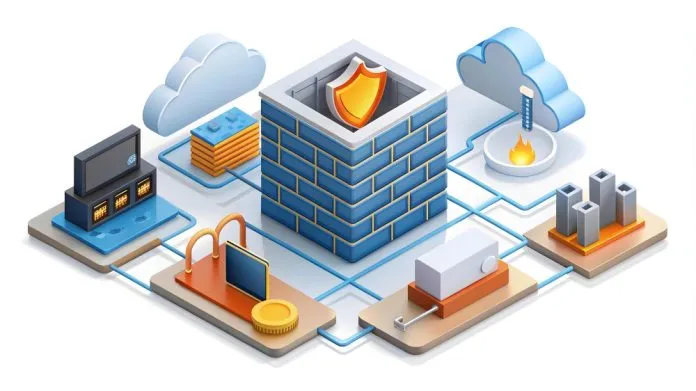
BinaxPay is engineered with strict multi-layer system segmentation to isolate risk, protect sensitive components, and prevent any single failure from affecting the wider ecosystem. Instead of running all financial services inside one environment, every core function, ledger, routing, cards, compliance, treasury, mobile money, API gateways, and reporting, is separated into independent security zones. This architecture ensures that even if one part of the system faces high load, malicious activity, or a technical issue, the rest of the platform continues to operate safely and without interruption. 1. Full Separation of Critical Financial Components Every major system runs in its own isolated segment. Segments include:Ledger cluster Card issuing and authorization engine Payment routing engine Mobile money connectors Treasury pools and liquidity manager Compliance and risk scoring engine API gateways Partner integrations Reporting and analyticsEach segment has its own security rules, compute resources, access controls, and failover systems. Real example: If a mobile money API provider experiences an outage, the ledger, card engine, and bank transfers continue running without interruption. 2. Zero-Trust Communication Between Segments Every segment communicates with others through authenticated, audited, encrypted channels. Controls include:Token-based authentication Mutual TLS Signed request validation Device and service identity Minimum-privilege routingNo segment trusts another by default. 3. Risk-Isolated Transaction Processing Transactions pass through multi-stage risk controls before touching core systems. Layers:API gateway risk filter: blocks suspicious traffic early Routing risk check: evaluates corridor and device risk Compliance engine: sanctions, AML, PEP, behavioral scoring Ledger access control: only clean, validated transactions reach ledgerReal example: If a high-risk device attempts a payout, the API gateway blocks it before it can access routing or ledger systems. 4. Segmented Ledger Access for Maximum Safety The ledger runs in a fully isolated zone with:No direct internet exposure Internal-only traffic Restricted service identity access Encrypted storage Separate compute nodesOnly pre-approved internal services can request ledger operations. 5. Card Network Segmentation for Global Stability Card systems are fully separated from:Mobile money Bank transfers Local payout rails FX engine Treasury operationsThis ensures card traffic spikes do not affect other services. Real example: Black Friday card volume does not slow down payouts in Africa or Asia. 6. Compliance and Risk Engine in a Dedicated Zone All compliance checks operate in their own isolated environment:AML scanning Sanction lists KYC records Behavioral scoring Machine-learning risk modelsNo sensitive compliance data touches external-facing services. 7. Treasury and Liquidity Segmentation for Safety Each treasury pool, EU, UK, US, Africa, LATAM, Asia, operates in its own secure zone. Benefits:Liquidity safety Controlled FX execution Isolated balance management Corridor protectionA liquidity issue in one region never affects others. Real example: If a local payout rail in Ghana becomes unavailable, the EUR, GBP, USD, and other regional pools remain unaffected. 8. External Rail Segmentation (Mobile Money, Banks, PSPs) Connections to external providers are isolated in connector zones. Includes:Bank APIs Mobile money providers Local PSPs Card networks Agent networksAny external outage is contained and cannot impact the core system. 9. Independent Monitoring, Logging, and Fraud Detection Monitoring systems run separately from operational components to prevent tampering. Capabilities:Event isolation Real-time alerts Suspicious pattern identification Per-segment traffic scoringThis allows targeted shutdown of risky actions without affecting the entire system. 10. Micro-Firewalls Around Every Segment Each zone is protected with micro-firewalls that define:Allowed IPs Allowed protocols Service identities Traffic direction rules Rate limits Anomaly detectionAnything outside defined rules is blocked. 11. Horizontal Segmentation for High-Volume Events If a segment receives high traffic:It scales independently It absorbs load It does not affect other segmentsReal example: If many users top up via mobile money, the mobile money connector expands automatically without touching FX or routing performance. 12. Vertical Segmentation to Protect Sensitive Data Sensitive systems such as:Ledger Compliance KYC TreasuryRun on higher-security layers with stricter controls than public-facing systems. Conclusion BinaxPay isolates risk using strict system segmentation across every layer of the platform. Each component, ledger, cards, payments, compliance, mobile money, treasury, FX, routing, operates inside its own secure, independent environment. This guarantees that failures, risk events, traffic spikes, or external issues never spread across systems, ensuring continuous safety, stability, and reliability for all users, partners, and global operations.
- BinaxPay Team
- 15 Feb, 2026
- 4 mins read
Secure Cloud Architecture Behind BinaxPay
BinaxPay operates on a security-first cloud architecture designed to protect user data, financial transactions, government integrations, merchant operations, and multi-country financial infrastructure. Every layer, network, storage, compute, API, compliance, and identity, is hardened with enterprise-grade security controls. The architecture is built for zero-trust environments, continuous monitoring, encrypted communication, and complete regulatory alignment across all regions. 1. Zero-Trust Security Model BinaxPay applies a strict zero-trust framework. Principles:No implicit trust Identity verification on every request Device fingerprinting Continuous authentication Dynamic access rules Environment separationReal example: A partner from Uganda logging in from a new device must pass additional security verification before accessing dashboards. 2. Fully Encrypted Data Storage and Communication All data is encrypted end-to-end. Capabilities:Encryption in transit (TLS 1.3) Encryption at rest (AES-256) Tokenized sensitive data Hashed identity fields Secure vault for secret and API key storageReal example: User card metadata is tokenized; even internal staff cannot view full card details. 3. Multi-Region Cloud Infrastructure With Jurisdiction Control Data is stored in compliance with regional laws. Capabilities:EU data stored in EU zones UK data stored in UK zones US data stored in US zones Jurisdiction-specific isolation Automatic failover between zonesReal example: A French user's data never leaves the EU region, ensuring GDPR compliance. 4. Microservice Isolation for Maximum Security Each service, ledger, KYC, payouts, FX, cards, treasury, runs in a secure isolated microservice. Benefits:No lateral movement Services cannot access each other without authorization Contained security breaches Simplified monitoringReal example: A merchant module exploit cannot affect the ledger or treasury engine due to strict isolation. 5. API Gateway With Layered Security Controls All external traffic flows through a hardened API gateway. Security features:OAuth2 and JWT for authentication Rate limiting IP whitelisting Geo-fencing Device signature checks Threat detectionReal example: Suspicious login attempts from an unexpected region trigger an immediate block and admin notification. 6. Identity and Access Management (IAM) With Role Isolation Access is strictly controlled for partners, merchants, staff, and institutions. Capabilities:Role-based access Multi-factor authentication Privilege separation Approval workflows Temporary access tokens No permanent admin credentialsReal example: Support staff can view a user's profile but cannot trigger payouts or modify treasury balances. 7. Continuous Threat Monitoring and Intrusion Detection The platform is actively monitored 24/7. Capabilities:Anomaly detection Intrusion prevention systems DDoS protection Behavioral threat analysis Automated alerts Real-time log streamingReal example: If the system detects an unusual API spike, requests are rate-limited while alerts are sent to the security team. 8. Secure Development and Deployment Pipeline Security is integrated into every stage of software development. Features:Code scanning Dependency vulnerability checks Container security validation Automated security testing Restricted deployment approvalsReal example: Before deployment, any code touching the ledger must pass additional security review and automated test suites. 9. Redundancy and Secure Backup Architecture Backups are encrypted and stored in multiple secure regions. Capabilities:Automated backups Snapshot recovery Cold storage for critical data Disaster recovery playbooksReal example: If a UK storage cluster becomes unavailable, encrypted replicas in EU and US regions restore automatically. 10. Compliance-Aligned Cloud Security Infrastructure is built to align with international standards. Aligned frameworks:GDPR ISO 27001 PCI DSS principles Local data protection laws Financial regulatory requirements Sanctions and AML compliance frameworksReal example: Sensitive documents uploaded during KYC are encrypted, flagged for access control, scanned for malware, and logged for auditing. 11. Application-Level Security With Multiple Protection Layers Security is built directly into application logic. Capabilities:Anti-fraud logic API misuse detection Session expiration CSRF protection Brute-force prevention Secure temporary session tokensReal example: If a user enters incorrect login credentials multiple times, the system enforces temporary lockout and requires MFA verification. 12. Secure Logging and Audit Trails Every action is recorded securely. Capabilities:Tamper-proof logs Forensic-friendly audit records Ledger event logs Partner activity monitoring Government integration logsReal example: Any attempt to modify user limits triggers an immutable audit entry visible to compliance officers. Conclusion BinaxPay's secure cloud architecture delivers the highest standard of safety, reliability, and regulatory alignment across global financial operations. With multi-layer encryption, zero-trust models, jurisdictional data isolation, real-time monitoring, microservice isolation, and enterprise-grade IAM, the platform remains protected against emerging threats while maintaining continuous availability. This security foundation ensures trust for users, partners, merchants, governments, and institutions worldwide.

- BinaxPay Team
- 14 Feb, 2026
- 3 mins read
Who We Are: BinaxPay at a Glance
BinaxPay is a European-based financial technology ecosystem built to deliver a modern, secure, and fully scalable digital banking experience to individuals, businesses, governments, and institutional partners worldwide. Operated by BinaxPay Holding Ltd (registered in England and Wales), the platform functions under a strong regulatory foundation through approved, compliant Banking-as-a-Service providers in the EU and UK. This gives BinaxPay the ability to issue IBAN accounts, process payments, manage safeguarding, provide cards, and deliver complete financial infrastructure without the limitations of traditional banking frameworks. BinaxPay is engineered as a global financial operating system. Instead of offering only basic accounts or card services, the platform integrates banking, payments, compliance, enterprise automation, and artificial intelligence into one unified ecosystem. This allows partners and users to operate with full financial capability from day one, without needing to build technology, acquire expensive licenses, or manage complex operational requirements. At its core, BinaxPay combines:Multi-currency personal and business accounts EU and UK IBAN issuing and safeguarding Virtual and physical cards SEPA, Faster Payments, international rails Foreign exchange engine and treasury oversight KYC and AML automation and sanctions screening Full ERP system (CRM, HR, Finance, Inventory, POS) Merchant acquiring and payment gateway solutions AI-powered fraud detection, automation, and analyticsTogether, these components create a single platform capable of supporting consumers, SMEs, enterprises, government programs, and full national-level digitalization projects. BinaxPay's modular architecture means every country, market, or partner can start with a simple configuration (accounts, cards, remittance) and progressively activate additional modules such as ERP, merchant services, mobile money, credit scoring, AI risk engines, and country-specific payment rails. This flexibility allows the platform to operate effectively in both advanced markets (EU and UK) and high-cash, high-population emerging economies across Africa, Asia, and the Middle East. BinaxPay is designed for:Governments and public-sector institutions building national digital finance systems Local licensing partners expanding financial services in their own markets Corporates and enterprises requiring unified payments, banking, and ERP tools Investors seeking exposure to next-generation financial infrastructure Banks and PSPs looking to upgrade from legacy systems to modular architecture Fintech startups requiring a complete white-label ecosystemThe platform's foundation is built on five strategic pillars:Security: enterprise-grade encryption, network isolation, constant monitoring, ISO-aligned operations, and strict access controls Compliance: adherence to EU and UK regulatory standards, automated KYC and AML, sanctions screening, and data protection under GDPR Scalability: microservices architecture capable of supporting multi-country operations, high transaction volume, and complex integrations Partnership: white-label platforms, joint ventures, country-level cooperations, and enterprise integrations Innovation: a deep AI layer that improves risk management, customer operations, fraud detection, and workflow automationBinaxPay's long-term strategy is to become a global infrastructure provider, enabling entire countries, financial institutions, enterprises, and fintech operators to launch modern financial systems rapidly and securely. By combining regulatory alignment, modular technology, and AI intelligence, the platform positions itself as the backbone of the next wave of digital banking transformation globally.

- BinaxPay Team
- 12 Feb, 2026
- 2 mins read
Our Mission: Building the Next-Generation Banking Ecosystem
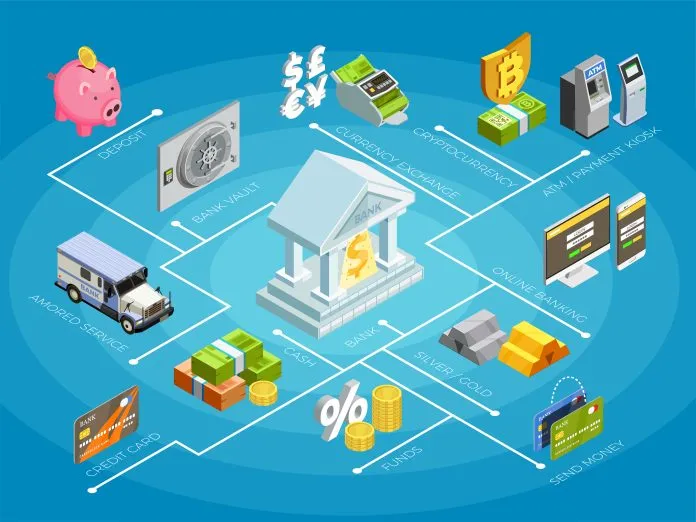
BinaxPay's mission is to create a modern financial infrastructure that makes global banking faster, safer, and accessible to every individual, business, and institution, regardless of geography or local limitations. We are building a unified ecosystem where accounts, payments, compliance, enterprise tools, and AI intelligence operate seamlessly within one platform, eliminating the fragmentation that has slowed down traditional financial systems for decades. Our vision is driven by three core principles: simplicity, security, and scalability. We believe banking should function like technology, modular, flexible, and instantly deployable. Through our EU and UK regulated BaaS foundation, we combine digital banking, payment rails, cards, treasury systems, and compliance automation into a single integrated engine that any partner or government can adopt without building infrastructure from scratch. BinaxPay is designed to empower:Consumers, with modern accounts, cards, and global access Businesses, with payments, ERP tools, and financial automation Merchants, with acquiring, settlement, and real-time analytics Governments, with digital transformation frameworks and financial inclusion programs Partners, with white-label and joint-venture models for local market expansion Investors, with access to one of the fastest-growing sectors of financial infrastructureOur mission extends beyond banking features. We are creating a next-generation financial operating system powered by AI, real-time compliance, and modular technology that scales across continents. This approach allows us to serve high-cash markets, emerging economies, and advanced financial hubs with equal efficiency. By removing barriers such as licensing complexity, fragmented technology, and legacy banking limitations, BinaxPay is redefining how financial services are launched and expanded globally. Our goal is to become the backbone of future digital finance, supporting nations, enterprises, and fintech innovators through a secure, compliant, and truly global ecosystem.
- BinaxPay Team
- 10 Feb, 2026
- 4 mins read
Why Modular Banking Is the New Standard
The global financial system is undergoing a structural redesign, and the core of this transformation is the shift from monolithic banking systems to fully modular, API-driven, cloud-native architectures. Traditional banking infrastructure, built decades ago, was never designed for digital onboarding, instant payments, global markets, AI-driven compliance, or multi-country expansion. As the world moves toward real-time financial ecosystems, modular banking has become the new global standard, and every major financial institution is now racing to adopt it. Modular banking refers to a system where every function, accounts, payments, cards, FX, compliance, lending, onboarding, and even ERP, operates as an independent module. These modules can be activated, upgraded, scaled, replaced, or customized without affecting the rest of the system. This design is not just modern; it is necessary for the future of global finance. 1. Traditional Banking Architecture Cannot Support Modern Needs Legacy banks operate on monolithic cores that are slow, expensive to modify, and extremely difficult to scale. A single change can take months, impacting the entire system. This makes innovation nearly impossible and severely limits expansion into new markets. Modular banking solves this by breaking the infrastructure into independent layers:Core ledger Onboarding and KYC Card issuing Payments Compliance engine FX and treasury Merchant acquiring ERP and business tools AI and automation API gatewayEach module evolves at its own pace, without creating downtime or operational risk. 2. Faster Launch, Faster Innovation, Faster Scaling Modular banking allows new products, markets, and features to go live in weeks, not years. Example: A partner wants to launch a remittance corridor, add mobile money, or activate merchant acquiring. In a modular system, this is simply enabling a module, configuring it, and connecting local rails through APIs. There is no need for:Rewriting core infrastructure Rebuilding compliance systems Changing ledger logic Negotiating months of integrationThis speed is crucial for global expansion, especially in high-demand markets across the U.S., Africa, the Middle East, Asia, and Latin America. 3. Regulatory Compliance Requires Modular Flexibility Regulators now demand:Continuous KYC Real-time AML Sanctions screening Fraud monitoring Risk scoring Data privacy Country-specific rules API reportingA monolithic system cannot adapt quickly enough. Modular banking allows each country, partner, or regulatory environment to have its own compliance layer, customized and updated independently. This gives BinaxPay the ability to operate in multiple jurisdictions simultaneously while maintaining EU and UK level compliance standards. 4. Banks, Fintechs, and Governments Prefer API-First Infrastructure Modern financial ecosystems rely on interoperability. APIs allow systems to communicate instantly, enabling:Cross-border payments Mobile money integrations Merchant systems Remittance corridors Tax and government systems ERP and business applications Card networks KYC and KYB providersA modular API-first approach allows BinaxPay to integrate:Local payment rails Digital currency infrastructure National ID systems Government portals Enterprise systemsThis flexibility is impossible with monolithic architecture. 5. Modular Banking Supports High-Cash, High-Growth Markets Emerging economies require banking systems that can:Handle large cash populations Integrate mobile money Support low-cost remittance Operate with inconsistent infrastructure Scale fast when usage grows Adapt to local regulations Serve both banked and unbanked populationsA modular system adapts to each local environment without redesigning the entire platform. This is exactly why BinaxPay's structure is ideal for Uganda, Nigeria, Ghana, Kenya, South Africa, India, Brazil, UAE, Turkey, Indonesia, and dozens of rapidly growing markets. 6. Lower Cost, Higher Efficiency, and No Legacy Limitations Traditional banking systems are extremely expensive to maintain and upgrade. Modular banking reduces costs dramatically by:Removing legacy constraints n- Decentralizing development Enabling microservice scaling Automating compliance Using modern cloud infrastructure Reducing operational overheadThis allows BinaxPay and its partners to deliver banking, payments, and ERP services at lower cost and higher profitability. 7. The Future of Finance Is an Ecosystem, Not a Single Product The financial sector is shifting toward multi-function platforms where users expect:Accounts Payments Cards Remittance Merchant tools ERP Payroll AI automationModular banking enables this unified approach by allowing different modules to interconnect seamlessly. BinaxPay's ecosystem is built with this future in mind:Banking and payments ERP and business tools Merchant systems AI and compliance FX and treasury Mobile money Government integrationEverything works together, but each system remains independent and upgradeable. 8. Why Modular Is the New Global Standard The world's major regulators, financial institutions, and fintech leaders agree: the future of banking is modular, API-first, cloud-native, and compliance-automated. This new standard enables:International scalability Near-instant deployment Multi-country compliance Rapid innovation Cheaper operations Stronger security AI-driven intelligence Seamless integration with government and enterprise systemsBinaxPay's architecture is built fully around these principles, allowing us to operate as a global financial infrastructure provider. We are not limited by legacy banking systems, and we do not carry the constraints that slow traditional banks. Our modular ecosystem allows us to expand into new markets, onboard new partners, and deliver advanced financial tools with unmatched speed, security, and precision. This is why modular banking is not just the new trend. It is the new global standard, and BinaxPay is built exactly for this future.

- BinaxPay Team
- 18 Jan, 2026
- 3 mins read
The BinaxPay Model vs Traditional Banking
The global financial system is shifting away from slow, infrastructure-heavy, regulator-limited traditional banking toward fast, modular, technology-driven financial ecosystems. BinaxPay represents this new model: a modern, scalable, AI-powered financial operating system designed to deliver banking-grade services without the restrictions and inefficiencies of the legacy banking world. Below is a clear comparison showing how BinaxPay fundamentally differs from, and improves upon, traditional banking. 1. Technology Infrastructure: Modern vs Legacy Traditional Banking:Built on outdated monolithic core systems Expensive, slow, and almost impossible to upgrade Limited to single-country deployment No real-time data architecture Integration takes months or yearsBinaxPay:Modular microservices architecture Real-time API-driven system Cloud-native, instantly scalable across continents Easy integration with mobile money, fintechs, PSPs, and ERPs Continuous upgrades without downtimeBinaxPay is built like a technology company, not a legacy bank. 2. Licensing and Compliance Framework Traditional Banking:Requires full banking license in every country Heavy capital requirements Years of regulatory approval Extremely slow market entryBinaxPay:Operates under EU and UK regulated BaaS infrastructure No need for local banking licenses to launch services Fast, compliant expansion into new markets Automated KYC and AML, sanctions screening, and transaction monitoring Global compliance alignment via centralized systemsThis enables faster deployment with stronger compliance automation. 3. Financial Products and Capabilities Traditional Banking:Limited online capabilities Basic online banking functions No integrated ERP, merchant, or AI systems High-cost remittance and FXBinaxPay:Multi-currency accounts and IBAN issuing Virtual and physical cards Global payment rails (SEPA, FPS, mobile money, cross-border) FX, treasury, compliance, ERP, merchant tools in one ecosystem AI-powered risk, fraud, and behavior scoringBinaxPay delivers a full financial operating system, not just accounts. 4. Speed of Launch and Market Expansion Traditional Banking:Launching in a new country takes years Requires licensing, capital, infrastructure, and regulatory approval High fixed costsBinaxPay:Deploys digital banking in weeks or months Uses modular activation for accounts, cards, payments, ERP, merchant tools Local partners can launch instantly via API or white-label Treasury pool model supports remittance without cross-border settlement Scalability is built into the architecture from day one5. Focus: Infrastructure vs Retail Banking Traditional Banking:Built mainly for retail customers Does not serve SMEs, merchants, and governments with integrated systems Limited AI and automationBinaxPay:Built for the entire financial ecosystem Serves consumers, SMEs, enterprises, merchants, PSPs, governments, and banks Provides ERP, business automation, mobile money, merchant tools, and AIBinaxPay is not a bank. It is an infrastructure provider for the future of finance. 6. Cost Structure and Operational Efficiency Traditional Banking:High operating costs Branches, staff, legacy technology Inefficient manual processes High FX and remittance feesBinaxPay:No branches, minimal overhead Automated compliance, AI fraud, digital onboarding Efficient treasury and low-cost remittance Digitally scalable with almost zero marginal costThe result: better pricing, faster services, and wider accessibility. 7. User Experience and Accessibility Traditional Banking:Slow onboarding Paper-based processes Limited digital usability Not designed for cross-border usageBinaxPay:Instant online onboarding Multi-language, mobile-first experience Global access to accounts and payments Unified dashboard for banking, payments, ERP, and merchant toolsA modern, global-first user experience. 8. Vision: Future-Oriented vs Past-Oriented Traditional Banking:Designed for the past Slow to adapt to fintech trends Limited innovation cyclesBinaxPay:Designed for the next decade Built for high-growth digital economies Rapid innovation with AI and modular upgrades Future-proof infrastructure for global financial modernizationThe BinaxPay model aligns with the new global standard for financial systems. Conclusion: A New Blueprint for Global Finance BinaxPay delivers a banking-grade ecosystem without the limitations of traditional banking:Faster deployment Stronger compliance automation Better scalability Lower cost Integrated business and merchant capabilities AI intelligence across the entire system Seamless multi-country expansionWhile traditional banks continue struggling with outdated systems, BinaxPay moves forward as a global infrastructure provider, powering the digital financial economy across Europe, the United States, Africa, the Middle East, Asia, and Latin America.

- BinaxPay Team
- 15 Jan, 2026
- 3 mins read
Onboarding Process for New Country Partners
BinaxPay follows a structured, transparent, and compliance-aligned onboarding process for new country partners. This ensures that every local operator, JV partner, or institutional collaborator is fully prepared to run operations inside their market with the stability, security, and regulatory alignment required. The onboarding flow is designed to move fast while protecting all parties and ensuring smooth technical, legal, and financial setup. 1. Initial Alignment & Strategic Evaluation The process begins with:strategic discussion market analysis partner capability assessment review of local payment rails feasibility of treasury pool creation identification of licensing requirementsThis stage confirms whether the country is ready for operations and whether the partner is the right fit. 2. Signing of NDA & Information Exchange Before detailed information is shared, both sides:sign an NDA exchange preliminary documents align on high-level expectations share compliance and corporate profilesThis creates a secure base for the collaboration. 3. Partner Documentation Collection BinaxPay collects:company registration documents shareholder details director information compliance records financial statements (if applicable) operational capabilities existing payment rail agreementsThese documents are reviewed by the onboarding committee. 4. Compliance Due Diligence Review BinaxPay's compliance team performs:AML checks sanctions & PEP screening partner background review regulatory compatibility analysis risk scoring for the country licensing requirement confirmationOnly partners with clean compliance profiles proceed. 5. Technical Capability Assessment BinaxPay evaluates whether the partner can support:mobile money integrations bank/P2P rail connections merchant onboarding treasury operations support capabilities API-based interactions compliance reportingThis ensures the partner can manage the operational load. 6. Operational Readiness Confirmation Partners must demonstrate:staff availability operational team structure local support capacity management team readiness ability to manage daily reconciliationThis verifies that the country is ready for activation. 7. Drafting & Signing the Partnership Agreement Once approved:partnership structure is defined revenue-sharing model is finalized responsibilities outlined settlement obligations agreed treasury pool logic confirmed contract is drafted and signedThis creates the legal foundation for the operation. 8. Country Rail Integration Planning Together with the partner, BinaxPay maps out:mobile money integrations local banks to connect with PSP networks agent networks (if applicable) merchant segmentsTechnical and operational requirements are documented. 9. Treasury Pool Setup The local currency pool is established:local settlement accounts liquidity allocation corridor balancing rules daily treasury reporting structure ledger synchronizationThis ensures the country can perform instant local payouts. 10. API Integration & System Configuration The partner connects to:payouts API collection API webhook systems merchant settlement flows reporting dashboards compliance interfacesSandbox testing is completed before production go-live. 11. Staff Training & Operational Workshops BinaxPay provides training for:compliance support operations treasury management merchant onboarding API integration risk management reporting and reconciliationThis ensures the partner can operate independently. 12. Pilot Phase (Soft Launch) Before full public activation:limited corridor is opened small volume testing begins mobile money and bank rails are verified merchant settlement is tested treasury pool stability is monitored support processes validatedThis phase ensures everything functions correctly. 13. Country Go-Live Once the pilot is successful:full corridor activation begins merchants and SMEs onboard enterprise clients launch mobile money + bank rails go live reporting and treasury systems stabilizeThe country becomes fully operational. 14. Continuous Monitoring & Weekly Reporting After launch, partners must:provide weekly reports maintain liquidity requirements follow daily reconciliation update compliance submissions maintain local regulatory alignmentBinaxPay provides technical and compliance support continuously. 15. Real-Life Example Scenario: A partner in Ghana goes through the onboarding process. Steps:NDA signed Documentation submitted Compliance cleared Mobile money integrations mapped Treasury pool set up with GHS liquidity Payout API tested Staff trained on reconciliation Soft launch with 50 merchants Full market activation Daily reconciliation + weekly reportingWithin 30 days the ecosystem becomes stable and fully operational. Conclusion The onboarding process for new country partners is structured to ensure operational readiness, regulatory compliance, technical capability, and liquidity stability. By following this model, BinaxPay guarantees that every country partner launches successfully and operates with the reliability and performance expected from a global financial infrastructure.

- BinaxPay Team
- 08 Jan, 2026
- 3 mins read
Local Partner Responsibilities & Operational Structure
Local partners play a critical role in maintaining the stability, compliance, and performance of the BinaxPay ecosystem inside each country. While BinaxPay provides the global technology, treasury model, multi-rail infrastructure, and international connectivity, local partners operate the "ground layer" that ensures the system runs smoothly within their national market. This creates a unified global network where each country functions efficiently, compliantly, and profitably. 1. Regulatory Alignment & Local Licensing Responsibilities Local partners are responsible for:maintaining any required local licenses communicating with regulators when needed ensuring compliance with national financial laws submitting reports requested by authorities staying updated on regulatory changes ensuring local operations follow AML/CFT rulesBinaxPay provides the backbone; the partner aligns with local regulators. 2. Operation of Local Treasury Pools Partners must:help maintain liquidity in local currency monitor pool health daily support rebalancing based on corridor demand ensure smooth settlement for payouts and collections assist with treasury coordination during peak volumeStable liquidity = stable payouts. 3. Local Payment Rail Integration & Maintenance Partners ensure access to:mobile money rails (MTN, Airtel, M-Pesa, Opay, etc.) local bank transfers PSP networks agent networks QR and USSD payment methodsThey also maintain relationships with payment providers to ensure uptime and correct routing. 4. Merchant & Business Onboarding Partners are responsible for:onboarding merchants verifying SME/business documents building merchant networks supporting integrations via API driving adoption in retail, e-commerce, logistics, hospitality, etc.Merchants are a major source of local transaction volume. 5. User Support & Customer Operations Partners manage:Level 1 and Level 2 customer support dispute resolution merchant support payout inquiries onboarding questions communication with mobile money or bank partnersThis ensures a smooth experience for all end users. 6. Local Compliance Enforcement Local partners enforce:KYC verification manual review of flagged accounts local AML rules sanctions & PEP checks suspicious activity escalation fraud monitoring corridor risk analysisThey work together with BinaxPay's global compliance team. 7. Daily Reporting & Reconciliation Duties Partners provide:daily cash flow reporting payout reconciliation merchant settlement logs local pool liquidity overview compliance reports transaction summariesReports must be accurate and delivered on schedule. 8. Platform Governance & Transparency Partners must operate transparently:clear financial accounting clean audit records proper documentation verifiable transaction logs adherence to operating guidelinesBinaxPay audits local partners regularly. 9. Business Development & Market Expansion Local partners drive growth by:engaging major merchants and enterprises recruiting API integration partners promoting mobile money and card acceptance attracting SMEs building agent networks (if relevant) coordinating local marketing activitiesA strong partner grows the ecosystem rapidly. 10. Local Risk Management & Fraud Prevention Partners monitor:unusual transaction spikes repeated failed transactions suspicious merchant activity high-risk corridors abnormal behavioural patternsLocal fraud patterns vary country by country—partners understand them best. 11. Relationship Management With Local Institutions Partners maintain relationships with:banks PSPs mobile money operators corporate clients government agencies regulatory bodiesStrong relationships ensure operational continuity. 12. Real-Life Example of Local Partner Role Scenario: A partner in Nigeria oversees the NGN ecosystem. They manage:KYC verification for new users NGN liquidity pool integrations with Opay, Moniepoint, and local banks merchant onboarding payouts for SMEs daily reconciliation communication with regulators enterprise client supportBinaxPay handles global connectivity; the partner runs the domestic infrastructure. Conclusion Local partners are the operational backbone of each country in the BinaxPay network. They ensure regulatory alignment, liquidity stability, strong local payment rail connections, merchant adoption, compliance enforcement, and day-to-day operational excellence. By combining BinaxPay's global technology with local partner expertise, the ecosystem becomes stronger, faster, and more reliable in every market.

- BinaxPay Team
- 07 Jan, 2026
- 3 mins read
Our Core Principles: Security, Compliance, Scale
BinaxPay is built on three non-negotiable principles that define how our ecosystem operates across every country, every partnership model, and every product we deliver. These principles guide our technology, our regulatory alignment, our expansion strategy, and our long-term commitment to building a global financial infrastructure that partners and governments can rely on. 1. Security: Protecting the Integrity of Every Transaction Security is the foundation of BinaxPay's entire architecture. We operate with banking-grade protection standards designed to safeguard user data, financial activity, infrastructure integrity, and cross-border operations. Our security framework includes:End-to-end encryption for all financial and personal data Enforced multi-layer authentication and access controls Network isolation, firewalls, and continuous threat monitoring PCI-DSS-aligned card environment and tokenization Secure API gateway and IP-controlled partner access Strict internal governance and ISO-aligned operational processes 24/7 infrastructure monitoring with automated threat detectionBinaxPay's security systems are engineered to support millions of users and large enterprise clients without compromising performance or stability. 2. Compliance: Operating Under the Highest Global Standards Compliance is not a separate department at BinaxPay. It is woven into the core of our technology. By operating under EU and UK regulated BaaS providers, we inherit and uphold the strictest standards in global finance. Our compliance model integrates:KYC and KYB verification Enhanced AML and financial crime screening Real-time sanctions and PEP monitoring Automated suspicious activity detection GDPR and UK Data Protection Act adherence Continuous transaction monitoring and rule-based filtering Structured reporting procedures and audit trails Localized compliance layers for each expansion countryThis ensures that every new user, partner, merchant, or corridor meets international regulatory expectations from day one. 3. Scale: A Global Architecture Designed to Expand Across Continents BinaxPay is built for scale. Our modular, cloud-native, API-driven architecture enables rapid deployment into new markets while maintaining consistent quality, reliability, and compliance. We scale on three levels:Technology scale: microservices, modular activation, load-balanced infrastructure, and high-availability systems Geographic scale: EU, UK, United States, Africa, Middle East, Asia, Latin America, powered by localized modules Operational scale: automated onboarding, AI-driven risk management, ERP for SMEs, merchant systems, and country-level JV partnershipsWhether we deploy for thousands of users or millions, BinaxPay maintains performance, stability, and compliance across all markets. A Foundation for Global Financial Infrastructure Security, compliance, and scale form the backbone of the BinaxPay ecosystem. These core principles ensure that we can support national digitalization programs, enterprise financial transformation, cross-border corridors, and large-scale joint ventures, all while protecting users, partners, investors, and institutions. These pillars define who we are today and ensure we remain a trusted, future-proof infrastructure provider for the global digital financial economy.

- BinaxPay Team
- 30 Dec, 2025
- 3 mins read
Why Countries Partner With BinaxPay
Countries, regulators, enterprises, and national operators choose BinaxPay because it provides a complete, ready-to-launch financial ecosystem based on EU/UK regulatory standards, global payment connectivity, and enterprise-grade technology. Instead of spending years building banking infrastructure, partners can deploy a modern national fintech platform in a matter of weeks.EU/UK-Grade Compliance From Day One BinaxPay operates on a regulatory foundation anchored in:UK-based BinaxPay Holding Ltd EU-regulated EMI/BaaS partners full AML/KYC/KYB frameworks GDPR-level data protection global sanctions screening This gives countries immediate access to trusted, internationally accepted compliance standards without building them internally.Fastest Path to Launch a National Fintech System BinaxPay allows a new country to go operational rapidly because the technology is already certified, pre-built, and ready for deployment.A complete rollout includes: local company formation EU/UK documentation package activation of payment rails onboarding of enterprises and SMEs treasury and liquidity setup country-specific configurations What normally takes 12-24 months can begin in 30 days with BinaxPay.No Need to Build Banking Technology Most countries, founders, and investors cannot afford to build:core banking systems compliance engines ledger infrastructure issuing systems risk and fraud engines mobile money integrations ERP and enterprise financial tools BinaxPay provides everything, fully built, tested, and globally connected. This eliminates years of development and millions in technical cost.Ready Access to Global Payment Rails Countries instantly gain access to:SEPA (EU) SWIFT (global) PIX (Brazil) FedNow and ACH (USA) Faster Payments (UK) Mobile money networks Card issuing and processing networks This enables a complete digital finance environment from day one.Local Operators Receive a Complete Platform Partners do not need technical staff.BinaxPay provides: full platform continuous updates 24/7 engineering compliance and KYC tools dashboards for consumers and enterprise FX and treasury management sanction and fraud engines API infrastructure Local teams only manage operations, licensing, investor relations, and enterprise clients.Strong Investor Confidence Investors prefer the BinaxPay model because it provides:finished platform full documentation pack EU/UK compliance clear shareholding structure predictable revenue streams global expansion model already proven This significantly increases investment success.Scalable for Entire National Ecosystems BinaxPay can support:government payouts social programs enterprise payroll SME merchant payments cross-border trade fintech operators remittance services mobile money distribution card issuing programs A country can build multiple industries on top of the same infrastructure.Lower Cost for High-Quality Infrastructure Instead of spending millions on banking technology, countries only invest in:local company formation documentation licensing treasury pools enterprise and business onboarding local market distribution All technology, compliance, fraud, and infrastructure is provided by BinaxPay.Immediate Cross-Border Corridor Activation Once a new country joins, it instantly connects to:EU UK USA GCC LATAM Africa Asia This enables inbound and outbound payments for businesses, remittances, and fintech platforms.Proven Global Model BinaxPay uses the same expansion strategy as:Revolut Wise N26 Payhawk Paysera These companies started with local entities, EU compliance, and BaaS providers before expanding globally. BinaxPay applies the same model, but faster and with broader infrastructure. Conclusion Countries partner with BinaxPay because it offers a complete financial ecosystem: EU/UK compliance global payment rails full digital banking stack enterprise tools mobile money FX and treasury KYC/KYB/AML card issuing API integrations scalable national infrastructure BinaxPay gives any country the ability to run a modern financial system instantly, securely, and at a fraction of traditional cost.

- BinaxPay Team
- 29 Dec, 2025
- 3 mins read
Global Regulatory Foundation (EU/UK Based)
BinaxPay operates on a regulatory backbone anchored in the United Kingdom and the European Union, ensuring every country deployment follows the same safety, compliance, and operational standards used by major European fintech institutions. This foundation allows partners, investors, and local operators to launch national financial platforms that inherit EU and UK grade compliance from day one without building their own regulatory frameworks. 1. Built on EU and UK Financial Standards BinaxPay core infrastructure is supported by regulated partners in:United Kingdom (FCA supervised BaaS and issuing partners) European Union (ECB and NBB supervised EMI and BaaS partners)This ensures every operation follows:PSD2 and EMI directives E money safeguarding rules Strong Customer Authentication (SCA) EU AMLD 4, 5, and 6 compliance UK FCA compliance frameworks GDPR data protection standardsLocal deployments immediately inherit this regulatory strength. 2. Licensing Structure Anchored in Europe BinaxPay itself is operated through:BinaxPay Holding Ltd (United Kingdom, Company No. 16830503) EU regulated EMI and BaaS partnersThis dual foundation allows the platform to run globally without country by country rebuilding. 3. Global Rollouts Follow a Single EU and UK Template Every new country follows a standard expansion model based on European compliance:Local company formation EU and UK documentation package AML and CTF, KYC, KYB, sanctions frameworks Treasury rules and protected safeguarding logic BaaS or EMI integration depending on the market Dual language compliance and operational filesThis ensures regulators and banks in any country understand the system immediately. 4. EU and UK Compliance Layer in Every Deployment Regardless of the market, BinaxPay enforces:sanctions screening (OFAC, EU, UN, HMT) PEP and adverse media checks risk scoring and transaction monitoring SCA and 3DS card security secure data practices under GDPR anti fraud behavioral systems end to end audit trailsThis prevents legal, fraud, and operational risks in all regions. 5. Why a European Framework Matters Globally Countries, regulators, and investors trust EU and UK compliance more than any other region. This gives BinaxPay faster regulatory acceptance, smoother bank onboarding, stronger risk controls, global interoperability, and immediate credibility with institutions. Most financial authorities accept EU and UK documentation without major modification. 6. Real Life Examples Germany Banks onboard BinaxPay partners easily because documentation follows standard EU banking rules. Sweden Regulators accept AML and KYC frameworks aligned with PSD2 and EU AMLD. USA Enterprise clients trust EU based compliance systems when integrating payments or payouts. Saudi Arabia European governance increases acceptance during institutional discussions. Brazil EU AML frameworks help fast track bank and PSP onboarding for PIX related products. Oman European documentation simplifies registration with financial authorities and partner banks. 7. Why This Matters to Investors and Partnersreduces regulatory risk speeds up licensing discussions increases partner trust ensures operational stability enables cross border corridors instantly creates a unified system for multi country rolloutsBinaxPay uses one global regulatory foundation instead of rebuilding compliance in every new country.

- BinaxPay Team
- 28 Dec, 2025
- 2 mins read
Our Global Expansion Track Record
BinaxPay follows a proven, repeatable, and fast expansion model that has already been executed in multiple regions. Every country launches through the same structured framework: local company formation -> documentation -> investor preparation -> licensing research -> enterprise onboarding -> BaaS/EMI activation. This model reduces risk, increases investor confidence, and creates a scalable foundation for long-term financial operations. Countries Where the Model Has Already Been Successfully Deployed 1. United States Local company registered BaaS negotiation started with multiple U.S. providers Compliance alignment with U.S. KYC/AML requirements Documentation package prepared for institutional partners The U.S. case shows how BinaxPay integrates with advanced BaaS ecosystems while maintaining its EU/UK regulatory foundation. 2. Georgia Local company registered Bank accounts activated Detailed licensing roadmap created (no BaaS providers in Georgia -> direct EMI path) Documentation prepared in EN + GE Local team assembled for enterprise and investor outreach Georgia demonstrated that BinaxPay can operate even in markets without BaaS providers by using our EMI documentation framework. 3. Turkey Local company fully established Banking and tax registration completed Local founder onboarded Documentation package delivered Enterprise outreach initiated Licensing research ongoing Turkey validated the speed of our expansion model and proved that local founders can activate the system quickly. Countries Currently in Preparation Oman Local founder identified Company formation prepared Corporate banking underway Government and enterprise introductions in progress Saudi Arabia Local partners and advisors aligned Licensing research ongoing Documentation package requested by institutions Brazil Strong demand for merchant payouts and PIX settlement Local entity preparation Investor and BaaS discussions ongoing Egypt Government-backed BaaS integration options Strategic partners identified Documentation ready for next phase Uganda and Nigeria Local partners in place PSP and mobile money integrations planned EMI pathway available if required These markets confirm that our model works across Africa, GCC, LATAM, and Europe. What Our Track Record Proves 1. The model works in different regulatory environments BaaS countries -> fast launch Non-BaaS countries -> EMI documentation pathway Government-driven markets -> direct institutional cooperation 2. Local founders can activate markets extremely fast Company registration Bank accounts Tax activation Investor meetings Enterprise outreach 3. Our documentation is investor-ready from day one Every new country receives: Business plan Compliance pack Licensing roadmap Technical documentation Investor legal pack 4. Our technology is fully global and pre-certified EU/UK licensing foundation Global payout rails API-ready ecosystem Instant enterprise onboarding 5. Each new country strengthens the entire global network More corridors -> more liquidity -> more revenue -> more partners. In One Sentence BinaxPay has already proven its expansion model in multiple countries, showing that we can launch fast, build structure, prepare investors, establish licensing pathways, and activate enterprise-level financial ecosystems anywhere in the world.

- BinaxPay Team
- 27 Dec, 2025
- 3 mins read
What Is BinaxPay?
BinaxPay is a UK-based global financial infrastructure platform that enables any country, company, or operator to launch a complete digital banking and payment ecosystem in weeks. Rather than being a traditional bank, BinaxPay provides the full technology stack, EU and UK regulated payment rails, compliance systems, and enterprise tools needed to operate modern financial services at national scale. BinaxPay Holding Ltd is incorporated in England and Wales under company number 16830503 and operates through established EU and UK BaaS and EMI partners, ensuring that all services run on fully compliant, audited, and regulator-approved infrastructure. What BinaxPay ProvidesMulti-currency accounts and digital wallets Instant payouts to banks, cards, and mobile money Merchant payments and enterprise collections FX engine, treasury management, and global corridors KYC, KYB, AML, sanctions screening, and fraud monitoring Access to EU and UK payment rails (SEPA, Faster Payments, SWIFT) Access to global systems (PIX, FedNow, IBAN, local rails) Virtual and physical cards plus BIN issuing programs ERP, payroll, invoicing, and business automation Full API infrastructure for fintechs, PSPs, and enterprisesBinaxPay combines banking, payments, compliance, ERP, and AI into a single infrastructure layer. How BinaxPay Launches in a New CountryForm and activate a local company (100% local founder at stage 1) Transfer BinaxPay rights, frameworks, and documentation Connect local payment rails (banks, PSPs, mobile money) Set up liquidity pools for instant settlement Activate cross-border corridors via EU and UK partners Onboard merchants, enterprises, fintech operators, and large clients Deploy the platform either as BinaxPay or co-branded Expand through SMEs, telecoms, agent networks, and enterprise partnershipsThis model has been successfully used in multiple countries and follows global fintech best practices. Why Countries and Investors Choose BinaxPayFastest route to launching a modern fintech and payment platform No need to build or maintain banking technology Full compliance suite already prepared (EU and UK standard) Eliminates millions in development and licensing cost Instant access to regulated EU and UK rails and settlement partners Immediate cross-border connectivity (EU to US to GCC to Africa to LATAM) Scalable for nationwide programs (welfare, payroll, payouts, SMEs) Strong investor-ready documentation and operational frameworksBinaxPay reduces launch time from 2-3 years to 4-8 weeks. Who BinaxPay Works WithGovernments and public-sector digital finance programs Telecom operators and mobile money providers Fintech startups and established PSPs Local banks and financial institutions Country partners, founders, and investors Enterprises requiring payroll, payouts, or merchant servicesThe Core Concept BinaxPay allows any country, institution, or investor to launch a full digital financial ecosystem, banking, payments, FX, compliance, ERP, and AI, using infrastructure backed by UK and EU regulated partners. It is the fastest, safest, and most scalable way to build modern financial services without the complexity, cost, and delays of traditional banking development.

- BinaxPay Team
- 24 Dec, 2025
- 2 mins read
Compliance Made Simple
BinaxPay uses a global-local compliance model that makes onboarding, monitoring, and operating in any country simple, fast, and aligned with regulation. Everything is automated, structured, and built to satisfy EU and UK standards while adapting to local laws. 1. Global Standards Built In BinaxPay follows:FATF rules EU, UK, and US AML frameworks Global sanctions lists (OFAC, UN, EU) International risk-scoring modelsThis ensures every corridor operates safely. 2. Simple KYC and KYB BinaxPay verifies individuals and businesses through:Document and biometric checks Address validation when required Business registry lookup UBO and director screening Sanctions and PEP checksThe process is fast, digital, and automated. 3. Local Compliance in Every Country Each market uses its own local verification, such as:Brazil: CPF and CNPJ USA: SSN and EIN Germany: Personalausweis and address check Saudi Arabia: National ID Oman: Civil IDBinaxPay routes users to the correct verification system automatically. 4. Automated Monitoring Every transaction passes through:AML rules Sanctions validation Velocity checks Behavioral risk analysis Fraud pattern detectionSuspicious activity is flagged instantly. 5. Clear Tier-Based Limits Limits increase as verification increases:Tier 0: basic Tier 1: light KYC Tier 2: full KYC Tier 3: enhancedThe structure is simple for users and regulators. 6. Easy Reporting and Audit Trails BinaxPay generates:SAR and STR reports Compliance logs Corridor reports Audit-ready recordsData is clean, organized, and regulator friendly. 7. Why It Works Because everything is:Automated Standardized Global in structure Local in execution Aligned with EU and UK regulationsThis makes compliance simple for partners, regulators, and users, even in complex markets. Real-Life Example A company in Germany onboards with full KYC. They start sending payments to Brazil. BinaxPay automatically checks German ID validity, the Brazilian CPF of the receiver, sanctions and PEP lists, AML rules for both countries, and the corridor risk score. The payment is approved and logged for regulators. Compliance becomes effortless because BinaxPay handles everything in the background.

- BinaxPay Team
- 18 Dec, 2025
- 4 mins read
Our Multi-Continent Growth Strategy
BinaxPay's expansion strategy is designed around a clear vision: to build a unified, modular financial infrastructure that operates seamlessly across continents, powered by a single EU/UK-regulated foundation. Our multi-continent growth model focuses on scalable deployment, partnership-driven acceleration, compliance continuity, and tailored localization for each region's financial landscape. This approach enables us to expand rapidly without sacrificing regulatory integrity, operational stability, or technological precision. Our growth strategy is built on four interconnected pillars that allow us to launch, operate, and scale financial ecosystems across Europe, the United States, Africa, the Middle East, Asia, and Latin America. 1. A Strong EU/UK Core That Powers Global Expansion BinaxPay's regulated base in Europe and the United Kingdom provides the operational backbone for every market we enter. Through authorized BaaS providers, we leverage:IBAN issuing Safeguarding accounts SEPA and Faster Payments Card issuing infrastructure Centralized compliance and AML GDPR-aligned data governanceThis regulatory continuity gives us the stability and trust required to expand globally while maintaining a consistent compliance standard across all continents. 2. United States as a Strategic Pillar of Expansion The United States is one of the most important components of our international growth strategy. With a massive fintech market, dominant cross-border corridors, and enterprise-driven demand, the U.S. serves as both a commercial hub and an operational anchor. Our U.S. strategy includes:Local bank and issuer-processor partnerships ACH, FedNow, and U.S. card scheme connectivity Enterprise payment and ERP integrations Remittance corridors from U.S. to LATAM, Africa, and Asia A local BinaxPay operations office and leadership presenceThe U.S. market gives BinaxPay global visibility, credibility, and high-value collaboration opportunities. 3. Rapid Deployment Across High-Growth Emerging Markets High-growth markets form the heart of our multi-continent expansion model. These regions have strong demographics, rising digital adoption, and large cash-heavy economies ready for transformation. Key focus regions include:Africa: Uganda, Nigeria, Kenya, Ghana, Rwanda, Tanzania, South Africa Middle East: UAE, Saudi Arabia, Oman, Bahrain South Asia: India, Pakistan, Bangladesh Latin America: Brazil, Mexico, Colombia Eurasia: Turkey, Georgia, KazakhstanIn these markets, BinaxPay delivers instant access to:Mobile money integration Remittance and FX corridors Business ERP automation Merchant acquiring infrastructure AI-powered compliance Treasury pool models for low-cost settlement Localized payment rails and identity systemsThese regions represent the world's fastest-growing fintech demand zones. 4. Partnership-Driven Entry Through Joint Ventures and Local Operators We do not enter markets as a competitor to traditional banks. We enter markets with:Local license holders PSPs Telecom and mobile money operators Enterprise groups Government entities Investor consortiumsThis joint-venture approach accelerates deployment, reduces regulatory complexity, and ensures long-term market alignment. BinaxPay supplies the technology, compliance architecture, and financial infrastructure. Partners supply market access, regulatory insight, and distribution channels. This model works consistently across continents. 5. Corridor-Based Global Connectivity Strategy Our expansion plan focuses on connecting continents through high-value financial corridors:Europe to United States United States to LATAM Europe to Africa Europe to Middle East Middle East to Africa Asia to global marketsThese corridors enable:Low-cost cross-border transfers Business payments Merchant expansion FX optimization Treasury pool interaction Multi-country enterprise operationsThis corridor-based model positions BinaxPay as an international money-movement infrastructure provider. 6. Localized Deployment With Global Standards Every market operates on localized modules:Local KYC rules Local payment rails Local settlement cycles Local identity systems Local PSP integrations Country-specific compliance layersAt the same time, all markets inherit:EU/UK regulatory standards Centralized compliance Unified risk management Global AI intelligence Secure infrastructureThis combination gives BinaxPay both global scale and local precision. A Global Strategy Designed for the Next Decade Our multi-continent growth strategy ensures that BinaxPay becomes one of the most adaptable and scalable financial ecosystems in the world. By combining regulatory strength, modular technology, partner-driven deployment, and corridor-based expansion, we are building an interconnected financial infrastructure that spans continents and supports nations, enterprises, and millions of users. This strategy positions BinaxPay to grow not as a local fintech, but as a global financial infrastructure provider powering the digital economy across Europe, the U.S., Africa, the Middle East, Asia, and Latin America.

- BinaxPay Team
- 18 Dec, 2025
- 2 mins read
What BinaxPay Provides vs. What the Local Partner Provides
A clear, simple, and copy-ready overview showing responsibilities on both sides. Ideal for investors, government partners, and country founders. BinaxPay Provides 1. Full Banking and Payment Technologymulti-currency wallets accounts (local and international) cards (virtual and physical) payouts to banks, cards, mobile money merchant tools and enterprise payments FX engine and treasury system ERP, payroll, invoicing modules full API infrastructure2. Compliance and Regulatory FrameworkEU and UK grade AML and CFT framework KYC and KYB systems sanctions and PEP screening transaction monitoring global risk rules and governance full documentation set for local regulators3. Licensing SupportEU and UK licensed partners for global rails ready BaaS and EMI framework compliance pack for local license applications guidance on regulatory communication4. Global Payment RailsSEPA, SWIFT, IBAN PIX, ACH, FedNow card issuing rails mobile money rails when applicable corridor activation from EU, UK, and US to local markets5. Product, UI/UX, and Infrastructureready mobile and web banking platform ledger, wallets, balance engine AI assisted fraud detection hosting in EU Tier 4 data centers continuous updates, audits, and patches6. Operational Supportdedicated launch team investor documentation package technical integration support compliance supervision treasury setup guidanceLocal Partner Provides 1. Local Company Formationregister the company obtain tax number open local bank accounts hold 100 percent ownership initially2. Licensing Pathwayinitiate local license research communicate with regulators submit required documents maintain contact with authorities3. Local Market Presencebuild enterprise client pipeline sign MOUs and LOIs with companies manage local sales and distribution represent BinaxPay in the country4. Payment Rail Connectionsconnect with local banks PSPs, telecoms, mobile money providers provide documentation for integrations support treasury pool setup5. Local Operations and Supportcustomer support merchant onboarding enterprise communication local treasury and reconciliation follow up with investors6. Strategic Expansion Activitiesdeveloping local partnerships introducing government contacts assisting in national scale projects coordinating with local stakeholdersSimple Summary BinaxPay delivers the entire global fintech infrastructure: technology, compliance, rails, and platform. The local partner delivers the local foundation: company, licensing, market access, enterprise onboarding, and regulatory communication. Together, this dual structure allows any country to launch a full digital banking ecosystem fast, compliant, and scalable.

- BinaxPay Team
- 14 Dec, 2025
- 3 mins read
Why BinaxPay Works in Emerging & Developed Markets
BinaxPay is engineered to operate successfully in both emerging and fully developed financial markets. Its architecture, licensing structure, compliance model, and partnership strategy adapt to the environment of any country, whether the market has advanced banking rails or relies heavily on mobile money and cash-based systems. 1. One Global Platform, Multiple Local Models BinaxPay adjusts its operating model depending on the country. Developed marketsConnects to advanced BaaS providers Uses SEPA, SWIFT, FedNow, RTP rails Supports corporate banking and enterprise payouts Fully compatible with strict compliance frameworks Scales fast due to mature financial infrastructureEmerging marketsIntegrates with mobile money (Airtel, MTN, M-Pesa) Connects with local PSPs and agent networks Builds liquidity pools for instant cash-out Operates through telecom partnerships Supports markets where traditional banking is slow or limitedOne system, two operational realities. 2. Flexible Licensing Strategy (BaaS First, EMI When Needed) BinaxPay adapts licensing to the environment. Developed marketsUses regulated BaaS providers for activation Leverages EU and UK EMI rails Meets strict reporting and safeguarding requirementsEmerging marketsApplies for EMI licenses only when necessary Launches via PSP partnerships, mobile money integrations, or government-backed rails Supports countries without full banking infrastructureThe license model adapts to the regulatory maturity of the country. 3. Multi-Rail Payment Architecture BinaxPay supports major rails globally. Developed market rails SEPA, SWIFT, FedNow, ACH, FPS, PIX (Brazil) Emerging market rails Mobile money (MTN, Airtel, M-Pesa), USSD, local bank APIs, agent networks Regardless of the country's infrastructure, BinaxPay can send, receive, settle, and route payments. 4. Works With Any Type of Local Partner Different countries require different partner models. Developed marketsBanks EMIs Large enterprises Fintech operators Payment processorsEmerging marketsTelecoms PSPs Mobile money providers Government-backed agencies Local operators with distribution networksBinaxPay adapts to the strongest local player in each environment. 5. Compliance System Built for All Regions The global compliance engine handles strict EU and UK requirements and flexible emerging market structures by combining:global KYC systems local verification partners sanctions and PEP screening risk scoring corridor-level rules daily monitoring local reporting methodsThis allows the same platform to operate safely everywhere. 6. Technology That Scales Up or Down Developed markets require high throughput and API-heavy operations. Emerging markets require low-bandwidth, mobile-first flows. BinaxPay handles both with:cloud and on-prem hybrid hosting microservices mobile money compatibility USSD fallback enterprise APIs instant ledger synchronizationThe same core system can support a bank in Germany, a telecom in Uganda, an enterprise in Brazil, and a government agency in Oman. 7. Enterprise Tools Fit Both Market Types Developed marketsERP integration Payroll Invoicing Multi-currency treasury Card issuing FX optimizationEmerging marketsMerchant payouts Agent network management Mobile money settlement Cash-out operations Low-cost SME toolsOne system, different usage patterns. 8. Proven Expansion Results in Both Market Types Developed Turkey, Georgia, USA: company formation, banking, documentation, investor readiness. Emerging Uganda, Nigeria, Egypt, Brazil (ongoing): PSP partnerships, mobile money readiness, licensing pathways. BinaxPay already works in both environments. In One Sentence BinaxPay succeeds in both emerging and developed markets because its technology, licensing model, operations, and compliance framework are designed to adapt instantly to any country's financial infrastructure, whether advanced or still developing.

- BinaxPay Team
- 12 Dec, 2025
- 3 mins read
BinaxPay Technology Overview (Non-Technical Summary)
BinaxPay is built as a complete financial infrastructure platform that allows any country, company, or partner to launch modern digital banking and payment services without building technology from scratch. This summary explains the system in simple, non-technical language while showing the full strength of the platform. 1. All-In-One Financial Infrastructure BinaxPay combines everything needed for a digital financial ecosystem into one platform:Accounts and digital wallets Payouts to banks, cards, and mobile money Merchant payments and enterprise billing FX engine and treasury tools Compliance (KYC, KYB, AML, sanctions) ERP, payroll, and invoicing API infrastructure for partnersThis eliminates the need to work with multiple vendors, systems, or banks. 2. Ready for Any Country BinaxPay is designed to be activated in any market:Connects to local banks Connects to mobile money (if available) Connects to PSPs and payment gateways Supports any local currency Adapts to local regulationThe platform only needs a country operator and access to payment rails to fully activate. 3. Uses EU/UK-Certified Core Banking Partners BinaxPay runs on infrastructure provided by regulated partners in:United Kingdom (BaaS / EMI partners) European Union (EMI/BaaS partners)This makes the system:compliant secure audited approved for cross-border corridorsLocal countries benefit from EU/UK-grade financial standards immediately. 4. Modular System (Use Only What You Need) Partners can choose which parts of the platform they want to use:Only payouts Only accounts and wallets Only cards Full digital bank ERP plus paymentsEverything is modular and can be activated step by step. 5. Instant API Connectivity BinaxPay exposes a complete API layer, allowing businesses to integrate:Payouts Collections KYC FX Cards Wallets ERP functionsThis makes it easy for enterprises, fintechs, logistics companies, e-commerce platforms, and government systems to plug into BinaxPay. 6. AI-Driven Compliance and Fraud Monitoring The system continuously monitors:transactions user behavior velocity patterns sanctions lists merchant activity high-risk transactionsAI flags suspicious activities instantly, ensuring full compliance with global regulations. 7. Enterprise-Ready ERP and Automation BinaxPay includes built-in tools for:payroll invoicing accounting staff payouts vendor payments bulk disbursementsThis makes it ideal for large companies, factories, delivery platforms, and government programs. 8. Mobile-Friendly and Lightweight The platform is designed for real markets:mobile-first interface ultra-fast performance works in low-internet regions optimized for basic devicesAny user can operate the system with minimal digital literacy. 9. Scalable for National Deployment BinaxPay can support:millions of users thousands of merchants large government payouts nationwide wallet rollouts telecom-scale trafficThe infrastructure is built for growth from day one. 10. Real-Life Examples Germany Enterprises integrate BinaxPay for payroll and instant staff payouts. Sweden Fintechs use the API layer to build wallets and embedded banking features. USA Logistics and gig-economy companies use instant card or bank payouts. Saudi Arabia Enterprises use ERP plus payouts for staff, vendors, and contractors. Brazil Businesses integrate PIX through BinaxPay to automate collections. Oman Government-linked partners use it to modernize payment flows and digitize financial services. Short Summary BinaxPay is a full financial infrastructure system with accounts, payments, cards, FX, compliance, ERP, and APIs, powered by EU and UK regulated payment partners and ready to deploy in any country within weeks. It gives partners everything needed to launch a modern financial ecosystem quickly, safely, and at global standards.

- BinaxPay Team
- 11 Dec, 2025
- 5 mins read
Regulatory Bodies Glossary (FCA, FINMA, MAS, SEC)
A comprehensive, reader-ready glossary explaining the world’s most influential financial regulators. This post covers their roles, powers, licensing environments, compliance expectations, and how fintech companies interact with them. Real-life examples reference Germany, Sweden, USA, Saudi Arabia, Brazil, and Oman. 1. FCA — Financial Conduct Authority (United Kingdom) The FCA regulates financial services in the UK, covering banks, EMIs, PIs, FX firms, investment platforms, and fintech companies. It enforces strict rules on consumer protection, AML and CFT, data handling, transparency, market fairness, and safeguarding of client funds. Key responsibilitiesLicensing EMIs, PIs, FX dealers, investment firms Enforcing safeguarding requirements for customer funds Supervising AML and CFT activities Approving senior managers under the SMCR regime Monitoring fraud, market abuse, and unfair practices Ensuring complaint handling and consumer rights Regulating open banking (PSD2 implementation in UK)What the FCA means for fintech Any company offering UK payment services must align with FCA rules, directly or through a regulated BaaS partner. Real-life example — Sweden to UK fintech expansion A Swedish fintech wants to issue GBP accounts to UK clients. They must operate under an FCA-regulated EMI partner, implement UK-level AML and CFT controls, follow FCA safeguarding rules for GBP funds, submit suspicious activity to the UK FIU when relevant, and comply with UK-specific 3D Secure and SCA requirements. Without FCA oversight, no financial product can operate legally in the UK. 2. FINMA — Swiss Financial Market Supervisory Authority (Switzerland) FINMA regulates Swiss banks, wealth managers, crypto platforms, insurance companies, and payment companies. Switzerland has some of the world’s most respected financial policies, focused on stability, risk management, and institutional compliance. Key responsibilitiesAuthorization of Swiss banks and fintech licenses Supervision of AML and CFT compliance Oversight of crypto asset platforms Enforcement of financial crime prevention Monitoring cross-border financial activity Ensuring capital adequacy and risk frameworksWhat FINMA means for fintech FINMA is known for strict compliance and risk management expectations. Fintechs operating with Swiss partners must align with deep AML screening and financial crime controls. Real-life example — Germany company using Swiss asset services A German fintech uses a Swiss partner for cross-border asset accounts. Requirements include FINMA-compliant KYC for German customers, stronger risk assessment for cross-border wealth transfers, enhanced documentation for large inbound EUR amounts, and strict data protection and customer verification. Swiss compliance applies even when users come from other EU countries. 3. MAS — Monetary Authority of Singapore (Singapore) MAS is both the central bank and financial regulator of Singapore, one of the world’s top fintech hubs. It is known for advanced digital payments, low fraud rates, and strict licensing. Key responsibilitiesRegulating banks, EMIs, PIs, and crypto providers Overseeing AML and CFT compliance Supervising MAS Payment Services Act licensing Monitoring cross-border transactions Enforcing cybersecurity and tech-risk requirements Supporting innovation through the MAS SandboxWhat MAS means for fintech MAS licensing is highly respected and gives fintechs credibility for expanding into Asia. Real-life example — Saudi Arabia to Singapore corridor activation A Saudi fintech wants to open SAR to SGD remittance routes. They must comply with MAS AML rules, configure MAS-aligned transaction monitoring, ensure MAS-compliant reporting for large payments, respect MAS licensing restrictions for cross-border payouts, and include Singapore’s risk indicators. MAS ensures all inbound flows into Singapore meet strict regulatory criteria. 4. SEC — Securities and Exchange Commission (United States) The SEC regulates securities markets, investment activities, public offerings, broker-dealers, and investor protections in the United States. It is one of the most powerful regulators globally. Key responsibilitiesSupervising securities issuance and IPOs Regulating investment firms, advisors, and brokers Preventing securities fraud Enforcing disclosures for public companies Monitoring insider trading and market manipulation Maintaining investor protection standards Licensing securities-related fintech activitiesWhat the SEC means for fintech Any product involving securities, investment plans, share sales, tokenized assets, or wealth products must follow SEC rules, even if the company is foreign but targeting US users. Real-life example — Brazil to USA investor access A Brazilian fintech offers fractional investment services to US users. They must register with the SEC or partner with a regulated US broker, appoint a compliance officer specifically for SEC, follow US investor suitability checks, provide SEC-approved disclosures, comply with US sanctions and AML rules, and maintain audit-ready financial statements. Operating investment services in the US without SEC alignment is illegal. 5. SAMA — Saudi Central Bank (Saudi Arabia) SAMA regulates banks, PSPs, financing companies, and all digital financial services in Saudi Arabia. KSA is one of the fastest-growing fintech markets globally. Key responsibilitiesLicensing PSPs, wallets, and payment institutions Approving open banking APIs Enforcing AML and CFT rules Overseeing Mada (local card network) Setting cybersecurity and data rules Supervising financial stabilityReal-life example — Sweden fintech expanding to KSA A Swedish fintech wants to offer SAR digital wallets. They must follow SAMA wallet regulations, integrate Mada rails, comply with SIM-based identity rules, store specific data inside Saudi servers, and use Arabic-compliant UI for disclosures. SAMA requirements must be met before any financial service can operate. 6. BCB — Banco Central do Brasil (Brazil) BCB regulates Brazil’s highly advanced instant payments ecosystem (PIX), banks, EMIs, PIs, and FX operations. Key responsibilitiesRegulating PIX instant payments Approving EMIs and PIs Enforcing AML and CFT standards Supervising FX and currency rules Controlling settlement institutions Authorizing fintech licensesReal-life example — Germany to Brazil business payments A German logistics company uses a fintech to pay suppliers in Brazil. Requirements include BRL liquidity with a local licensed partner, CPF or CNPJ validation, FX compliance under BCB rules, PIX rails mapped correctly, and local AML monitoring for inbound EUR to BRL transactions. BCB-approved compliance is mandatory for all Brazil-facing transactions. 7. CBO — Central Bank of Oman (Oman) CBO regulates banks, PSPs, and digital financial services within Oman, focusing on stability, consumer protection, and compliance. Key responsibilitiesLicensing PSPs, EMIs, and digital wallets Enforcing AML and CFT thresholds for OMR transfers Supervising settlement accounts Approving cross-border payment rules Overseeing fintech innovation programsReal-life example — USA to Oman corporate payments A US company sends funds to suppliers in Muscat. Requirements include AML checks under CBO standards, OMR liquidity via a licensed local partner, compliance with Oman ID verification rules, and settlement reporting to Omani financial authorities. CBO ensures proper governance of international payment flows entering the country. Conclusion Understanding major global regulators FCA, FINMA, MAS, SEC, SAMA, BCB, and CBO is essential for any fintech expanding internationally. Each regulator defines the rules for licensing, AML and CFT, KYC and KYB, reporting, consumer protection, and market stability. Real-life examples from Germany, Sweden, USA, Saudi Arabia, Brazil, and Oman show how regulatory expectations change across jurisdictions, making regulatory literacy a core part of global fintech operations.

- BinaxPay Team
- 05 Dec, 2025
- 5 mins read
Corridor Mapping, Localization & Market Entry Terms
Corridor mapping and localization are critical for launching fintech, payment, and remittance operations across different countries. Each market has its own payment rails, regulatory requirements, user behavior, currency rules, fraud patterns, and banking infrastructure. This post explains the key terminology and workflows used when entering a new country and activating corridors such as EU to USA, Germany to Brazil, Sweden to Saudi Arabia, USA to Oman, and EU to LATAM. 1. Corridor Mapping Corridor mapping is the process of analyzing and designing the full payment path between two countries. Key corridor termsSending corridor: the country where the transaction starts Receiving corridor: the country where the money is delivered Rail mapping: identifying which payment rails will be used end to end Settlement model: how funds are balanced between both sides FX path: how the exchange rate is applied Liquidity logic: how each side maintains enough float Compliance rules per corridor: KYC, AML, and transaction limitsWhat corridor mapping includesCurrencies used FX spread and conversion points Payout methods (bank, instant, wallet, card) Local regulatory rules KYC requirements for each country Daily or weekly settlement cycles Fraud risks tied to the corridor User expectations (speed, cost, payout form)Real-life example — Germany to Brazil A customer in Berlin sends EUR to a supplier in Sao Paulo via PIX. Mapping includes EUR debit via SEPA in Germany, EUR to BRL FX conversion, a liquidity pool in Brazil, instant PIX payout, reconciliation on both sides, and Germany or EU AML rules plus Brazil CPF validation. 2. Market Entry Readiness Before entering a country, a fintech must evaluate regulatory permissions, local payment rails, connectivity with banks and PSPs, local KYC and KYB standards, FX controls, tax obligations, telecom or mobile money availability, local business partners, onboarding friction for users, and fraud patterns in the region. Key termsMarket readiness score: internal rating of expansion viability Regulatory fit: whether your license and compliance cover the market Localization requirements: product adjustments needed Operational readiness: partner availability plus internal capability Partner mapping: bank, PSP, FX, telecom, or agent partner requiredReal-life example — Sweden entry into Saudi Arabia A Swedish fintech expands into KSA. Readiness requires checking SAMA regulations, enabling local bank transfers, Arabic localization, local KYC (national ID plus SIM verification), SAR liquidity pool, local support team, and integration with approved Saudi PSPs. 3. Localization — Product, Language, and Payment Experience Localization is not translation. It is adapting financial operations to local rules, culture, payment behavior, and rails. Localization elementsLanguage: Arabic, Portuguese, Swedish, German, English Currency format: decimal rules, rounding, FX treatment Payment methods: PIX, ACH, FedNow, Mada, SEPA Instant User behavior: card vs cash vs mobile money vs instant transfers Device usage: mobile-first vs desktop-heavy markets Compliance requirements: ID rules, address checks, sanctions lists Regulatory messaging: disclosures required by local lawReal-life example — USA product localization A European fintech expands to the USA. Localization includes modifying ABA routing and account number formats, KYC flows including SSN verification, FDIC-required disclosures, ACH versus FedNow payment rails, and US-specific fraud checks such as velocity and device fingerprinting. 4. Rail Localization Mapping which rails are available and how they must be integrated. Rail typesBank rails: SEPA, SWIFT, ACH, FedNow Instant rails: PIX, RTP, SEPA Instant, Mada Fast Card rails: Visa, Mastercard, UnionPay Wallet rails: Apple Pay, Google Pay, Samsung Pay Mobile money: region specific Corporate rails: B2B payment networks Telecom rails: USSD, SIM-based KYC (Middle East)Real-life example — Brazil entry For Brazil, integrate PIX for instant payouts, follow local BRL settlement rules, validate CPF or CNPJ, manage BRL liquidity, support QR payments, and comply with Brazil Central Bank reporting. 5. Regulatory and Compliance Localization Each country has its own AML and CFT laws, sanctions lists, reporting rules, transaction thresholds, KYC tiers, tax obligations, permitted FX corridors, data storage rules, and rules around wallet balance limits. Real-life example — Oman Entering Oman requires integrating with licensed PSPs or local banks, enabling eKYC with Civil ID, enforcing AML thresholds set by CBO, Arabic and English disclosures, and storing customer data within compliance boundaries. 6. Partner Mapping Partner mapping identifies local institutions required for the country. Typical partners neededLocal banks PSPs FX desks Liquidity providers Telecom operators Enterprise clients Regulatory advisors Agent networks (depending on region)Real-life example — USA A fintech entering USA maps partners for ACH and FedNow bank access, card issuing processor, fraud detection partner, SSN-based KYC provider, and a treasury management bank. 7. Corridor Risk Assessment Every corridor has its own risk score. Risk factorsFraud history Transaction velocity patterns Political risk Economic instability FX volatility Sanctions exposure Money laundering routes Compliance obligationsRisk determines transaction limits, KYC tiering, payout restrictions, and enhanced due diligence requirements. Real-life example — Germany to Saudi Arabia Risk assessment includes high regulatory expectations, strict AML and CFT inspections, dual sanctions screening, monitoring large corporate transfers, and matching sender and recipient justification. 8. Currency Requirements and FX Logic Key terms include hard currency (USD, EUR, GBP), local currency (BRL, SAR, SEK), FX spread (margin charged on conversion), FX controls (government restrictions), and convertibility (whether currency is easy to exchange). Real-life example — USA to Oman FX USD to OMR corridor requires a fixed OMR FX rate, a liquidity pool in Oman, SWIFT settlement rules, and compliance checks before confirming conversion. 9. Liquidity, Treasury, and Settlement Mapping Each corridor needs local float, settlement cycles, reconciliation flows, treasury oversight, and FX availability. Real-life example — Sweden to Brazil Sweden sends SEK, funds are converted to EUR and BRL, PIX payout is triggered, and the BRL pool is replenished based on daily volume. 10. Summary Corridor mapping and localization define how a fintech successfully enters a new market. It includes regulatory checks, partner mapping, currency planning, rail integration, localization of UX and compliance flows, and designing secure, stable corridors between countries. Real examples from Germany, Sweden, USA, Brazil, Saudi Arabia, and Oman show how corridor logic must be tailored for each market to ensure safe, compliant, instant financial operations.

- BinaxPay Team
- 03 Dec, 2025
- 5 mins read
BinaxPay for Insurance Companies: Automated Claims Payouts to Customers
Insurance is built on one simple promise: When something goes wrong, we will be there – fast, clear and fair. But in reality, many insurers struggle with the most visible part of that promise: paying the claim quickly, transparently, and in a way the customer understands. Manual payout processes, slow internal approvals, scattered banking systems and unclear communication can turn even a valid claim into a negative experience. BinaxPay solves exactly this part: it turns claims payouts into a simple, automated and trustworthy flow for both the insurer and the customer. The Real Problem: Claims Are Approved – But Money Is Slow Most insurance companies already have:underwriting rules claims assessors internal approval workflowsThe real bottleneck often starts after the claim is approved:Claims teams send payout instructions manually to finance Finance uploads Excel lists to different banks or payment systems Each customer prefers a different payout method (bank account, card, wallet, etc.) International payouts require extra steps, FX and compliance checks Customers keep calling: "When will I receive my money?"This causes:delays in payouts high internal workload errors in account numbers or amounts bad customer experience, especially during stressful life eventsBinaxPay is designed to remove exactly this friction. What BinaxPay Does for Insurance Payouts BinaxPay becomes the central payout engine behind the insurance company. The insurer continues to decide:which claim is approved how much should be paid which documents are requiredBinaxPay then takes over the "how to pay" part. With BinaxPay, an insurance company can:send thousands of payout instructions in one secure file or via API pay customers directly to their bank account, card or wallet define different payout rules per product (health, travel, auto, life, property etc.) track the status of every payout in one dashboard see exactly what was paid, when, to whom, and through which channelFor the customer it simply feels like this: "My claim was approved – and the money arrived quickly in my account." Key Benefits for Insurance Companies 1. Faster Claims Experience Once a claim is approved, the payout can be:queued in BinaxPay within seconds processed in defined cycles (e.g. hourly, daily) routed through the most efficient payment methodThis can shorten payout timelines significantly. 2. Less Manual Work for Finance & Operations Before BinaxPay:claims and finance teams send emails back and forth payout batches are prepared manually each bank or provider has its own formatWith BinaxPay:all payout instructions follow one standard format finance team sees all outgoing payments on one platform reconciliation between "approved claims" and "paid claims" is automatedThis saves time, reduces stress, and lowers the risk of human error. 3. Clear Overview for Management & Auditors Insurance companies must prove:which claims were paid when they were paid through which method in which country or regionBinaxPay helps by providing:clear exports for finance and audit status tracking per payment (pending, paid, failed, returned) filters by product line (e.g. motor, health, travel) or regionThis makes internal and external audits much easier. 4. Flexible Payout Methods for Customers Different customers prefer different payout options:direct bank transfer to their account payout to a card payout to a digital wallet in some cases, pre-paid or virtual cardsBinaxPay allows the insurer to offer several options from one system, without having to integrate with multiple payment providers. Real-Life Example: Health & Travel Insurance Company Company type: mid-sized health & travel insurer Regions: serving customers in multiple countries Situation before BinaxPay:Claims were approved in the core insurance system Payouts were done via manual files to two different banks Travel claims (flight delays, luggage issues) often had small payouts, but high admin effort Customers frequently called or emailed to ask about payout statusInternal problems:Claims and finance teams were overloaded with manual work Small mistakes (typo in IBAN, wrong amount) caused rejections Customer satisfaction was falling, even though claims were valid and approvedAfter connecting to BinaxPay:The insurer connected its claims system to BinaxPay Every approved claim generated a payout instruction automatically Payouts were grouped by country and method, then processed through BinaxPay The company could choose: same-day payouts for urgent health or accident claims weekly batch payouts for smaller travel or luggage claimsCustomer experience changed dramatically:Many customers received payouts much faster after approval Support agents could instantly see whether a payment was sent and when Complaint volume about "late payments" dropped significantlyInternal results over time:Less manual time spent on payout-related tasks Fewer errors and returns Better NPS (customer satisfaction) scores, especially in claims journeysProduct-Wise Use: Different Lines, One Engine BinaxPay can support multiple insurance lines at once, for example:Motor insurance – payouts for repairs, total loss, rental car refunds Health insurance – reimbursement of medical bills or direct payouts Travel insurance – flight delay compensation, luggage, hotel issues Property insurance – payouts for damage to homes or offices Life & protection products – structured, verified payouts to beneficiariesEach product can have:its own payout rules its own limits its own approval flowsBut all of them use the same BinaxPay payout infrastructure in the background. Why This Matters to Customers When people file an insurance claim, they are often:stressed under time pressure emotionally sensitive (health, accident, damage, delays)They rarely say: "I’m impressed by your internal finance processes." They say: "They paid me quickly and without hassle." Or: "It took weeks and I had to keep calling them." BinaxPay helps insurers be on the right side of that sentence. Why This Matters to Investors & Partners For investors, strong claims and payout processes mean:predictable cash flow controllable operational risk repeatable, scalable processesWhen an insurer uses BinaxPay, it can:demonstrate clear payout metrics show reliable performance reports per country and product expand to new regions without redesigning payout logic from scratchPartners such as banks, reinsurers or large brokers also value:auditable, structured payouts transparent settlement flowsThis makes the insurer a more attractive partner in the long-term. Summary: What BinaxPay Delivers to Insurance Companies "BinaxPay for Insurance Companies: Automated Claims Payouts to Customers" means:Faster payouts once a claim is approved Less manual work and fewer errors for claims & finance teams One central platform for all payout types and regions Clear tracking and reporting for management, regulators and auditors A better, more human experience for the customer at the moment that matters mostInstead of fighting with spreadsheets, bank portals and manual status checks, the insurer can focus on what truly defines its brand:fair products clear communication and fast, reliable claim paymentsBinaxPay quietly runs the payout engine in the background — so the insurance company can keep its promise in the foreground.

- BinaxPay Team
- 02 Dec, 2025
- 5 mins read
Compliance Reporting (SAR, STR, CTR, RFI)
Compliance reporting is one of the most critical responsibilities in any fintech, EMI, PSP, bank, or digital payments provider. Regulators in every country require financial institutions to detect, document, and report suspicious, unusual, or high-risk financial activity. This reporting protects the ecosystem from money laundering, terrorist financing, tax evasion, sanctions breaches, fraud, and financial crime. This post explains the core reporting terms SAR, STR, CTR, and RFI, and how they apply in real-world fintech operations across Germany, Sweden, USA, Brazil, Saudi Arabia, and Oman. 1. SAR — Suspicious Activity Report A SAR is filed when a transaction or behavior appears suspicious, inconsistent, or unusual, even if the exact crime is not proven. SARs are confidential and must never be disclosed to the user. SAR triggers includeLarge or unexplained transfers Inconsistent customer behavior Repeated failed verification attempts Rapidly changing IP and device identifiers Unusual FX or cross-border routes Structuring or evasion attempts Merchants receiving funds outside normal patternsExamples of SAR triggers in fintechA user in Germany opens an account and immediately tries to send EUR 30,000 to a high-risk country A Saudi Arabia merchant suddenly receives multiple international cards with no business explanation A Brazilian user splits a BRL 100,000 transfer into many BRL 4,900 payments to avoid visibilitySAR is filed when the behavior does not match the customer’s profile. 2. STR — Suspicious Transaction Report Some regions use the term STR instead of SAR. Many regulators treat them as identical. In other countries, STR refers specifically to suspicious transactions, not behavior. STR triggers includeSingle high-risk transaction Abnormal merchant settlement Suspicious chargeback patterns Unexpected incoming payment from sanctioned regions Transactions linked to fraud or scams High-value transfers without supporting documentationExamplesA US customer receives multiple ACH deposits from unrelated entities with no employment connection A Swedish account suddenly sends SEK 250,000 to a newly created Brazilian business An Omani merchant receives many small incoming card payments typical of card-testing fraudSTR is filed when the transaction itself is suspicious. 3. CTR — Currency Transaction Report A CTR is used to report large cash-related transactions, typically above a legal threshold.USA threshold: USD 10,000+ Brazil threshold: BRL 50,000+ depending on the type of transaction Saudi Arabia and Oman: high-value cash reporting varies by regulator EU: large cash operations must be documented but thresholds varyCTR applies mostly to cash deposits, cash withdrawals, cash-based merchant operations, and in-person financial services. Fintechs without physical cash operations rarely submit CTRs, but PSPs and card acquirers may still be required to file equivalent reports about high-value settlements. ExamplesA US-based business receives USD 12,700 in cash-equivalent payments and the partner bank files a CTR A Saudi enterprise withdraws SAR 60,000 cash through a regulated PSP agent A Brazilian merchant receives large cash payment batches that exceed BRL reporting thresholdsCTR is for large cash transactions or cash-equivalent high-value movements. 4. RFI — Request for Information An RFI is when a regulator, partner bank, or compliance body requests more information about a transaction, user, or merchant. An RFI is not a penalty, it is a standard compliance step. Reasons for an RFIUnclear transaction purpose Missing business documentation Unusual FX conversion Unclear source of funds Unclear business activity Sudden increase in volume Onboarding of high-risk merchants Payment routed through a high-risk corridorDocuments often requestedInvoices Contracts Proof of delivery KYC and KYB documents Explanation of transaction purpose Source of funds Merchant product description Website or business proofExamplesA German bank requests more information about a user who received EUR 45,000 from Saudi Arabia A Swedish regulator asks for documents from an SME suddenly receiving large USD payments A Brazilian PSP sends an RFI to clarify an Omani merchant’s cross-border payout activityRFI means we need more details before deciding if escalation is required. 5. How These Reports Fit Into a Fintech WorkflowMonitoring system detects anomaly (velocity rule, device mismatch, sudden increase in international activity) Compliance officer reviews flagged activity Decides if RFI, SAR or STR, CTR, or account freeze is required Information collected: KYC and KYB documents, invoices, contracts, business proof Decision: file SAR or STR, respond to RFI, file CTR, close or restrict account, or allow transaction Reporting submitted to FIU or regulator via secure system Ongoing monitoring as account remains under watch6. Real-Life Scenarios Across Countries Scenario 1 — Germany (STR Case) A German user receives EUR 22,000 from four unrelated foreign companies in 48 hours. Monitoring flags this as suspicious due to no business activity declared, multiple foreign senders, and high-value amounts. Compliance asks for invoices. User cannot provide proof. An STR is filed with BaFin’s FIU. Scenario 2 — USA (CTR Case) A US merchant processes USD 14,500 cash-equivalent transactions in one business day. The bank files a CTR to FinCEN automatically because the threshold was exceeded. Not criminal, just mandatory reporting. Scenario 3 — Saudi Arabia (SAR Case) A Saudi freelancer receives SAR 30,000 from unknown European accounts. Behavior is inconsistent with declared profile. Compliance files a SAR with Saudi FIU. Scenario 4 — Sweden (RFI Case) A Swedish SME suddenly sends SEK 280,000 to a new supplier in Brazil. The bank requests clarification. Compliance sends an RFI asking for contract, invoice, and purpose of payment. Once documents are provided, payment proceeds. Scenario 5 — Brazil (STR + RFI) A Brazilian merchant starts receiving multiple high-value card payments from Germany. PSP detects unusual patterns. Merchant is asked for website proof, product description, invoices, and customer list. Compliance files an STR because activity does not match merchant profile. 7. SummarySAR: suspicious behavior STR: suspicious transaction CTR: large cash or cash-equivalent transaction RFI: request for more informationStrong compliance reporting protects fintechs, partners, users, and regulators while ensuring safe operation across global corridors.

- BinaxPay Team
- 29 Nov, 2025
- 3 mins read
Risk-Based Transaction Monitoring Terms
Risk-based transaction monitoring is a core component of modern fintech compliance. It evaluates every transaction using real-time rules, behavioral patterns, risk scoring, and automated alerts to detect suspicious activity before it becomes a financial crime issue. Below is a complete reference of the essential terms and how they function inside real financial systems. 1. Velocity Checks Measures how fast transactions occur within a period. Used to detect unusual spikes. Example: A user in Germany normally sends 1 to 2 transfers per day. Suddenly, they attempt 15 transfers in 10 minutes and are flagged for review. 2. Amount Threshold Rules Defines maximum transaction limits based on risk level, KYC tier, or corridor risk. Example: A new customer in Brazil with basic KYC cannot send more than BRL 500 per day. 3. Behavioral Scoring Monitors long-term user behavior to detect abnormal activity, such as usual login pattern, common device, typical merchants, and country of usage. Any deviation increases risk score. 4. Device Fingerprinting Identifies the device making transactions using unique attributes. Rules detect new device, emulator, rooted phone, and rapid switching devices. High-risk devices trigger enhanced checks. 5. Geolocation Mismatch Flags when transaction origin does not match user profile or device history. Example: User logs in from Sweden, but a card transaction appears from Saudi Arabia seconds later, high-risk event. 6. IP Risk Scoring Checks IP address reputation. Flags VPNs, TOR networks, proxies, blacklisted IP ranges, and high-risk countries. Certain IP types automatically require manual review. 7. Corridor-Based Risk Controls Each route (country to country) has its own risk level. Higher-risk corridors include additional rules such as lower limits, enhanced screening, and additional verification steps. 8. Sanctions and PEP Auto-Checks Every transaction is screened against global watchlists in real time. Matches trigger automatic review or blocking. 9. Structuring (Smurfing) Detection Detects users trying to bypass limits by splitting transactions. Example: A user in USA attempts 950, 980, 970, and 940 within 15 minutes (each under a 1,000 reporting rule). System flags structuring. 10. Transaction Pattern Analysis Uses machine learning or rules to detect suspicious patterns like repeated small-value transfers, circular transactions, multiple beneficiaries created quickly, and sudden new merchants. 11. Beneficiary Risk Scoring Evaluates risk of the receiving party: new recipient, high-risk business type, unusual country, inconsistent with user profile. 12. Suspicious Login and Transaction Combination Monitors for risk sequences such as password reset plus high-value transfer, new device plus large withdrawal, location change plus card-not-present transaction. 13. High-Risk Merchant Category Codes (MCC) Certain industries have elevated risk: crypto services, online gambling, money transfer, and high-chargeback industries. Transactions to these MCCs are monitored more aggressively. 14. Failed Attempt Monitoring Multiple failed login or transfer attempts raise suspicion. Example: 10 failed PIN attempts in Oman locks the account and escalates alert. 15. Peer Group Analysis Compares user behavior with similar users. If statistically abnormal, it is flagged. Real-Life Example Scenario: A user in Germany usually sends EUR 200 to EUR 400 per month within Europe. Suddenly the user logs in from a new device, uses a VPN, tries sending EUR 3,000 to a new recipient in Brazil, amount far above usual pattern, high-risk corridor, and the transaction is attempted at unusual night-time hours. System actions:Auto-flag as high risk Freeze transfer temporarily Run enhanced sanctions and PEP checks Request additional verification from user Compliance team reviews transactionThe system prevents potential fraud or unauthorized activity while protecting the user and the platform. This terminology defines how modern fintech systems detect suspicious activity and maintain global compliance through automated, risk-based transaction monitoring.

- BinaxPay Team
- 23 Nov, 2025
- 3 mins read
Sanctions, PEP, Watchlists & Screening
Sanctions, PEP, and watchlist screening are core components of global financial compliance. Every fintech, bank, and payment platform must screen users, businesses, and transactions against international and local lists to prevent financial crime, corruption, and terrorism financing. Screening happens at onboarding and continuously during all financial activity. Sanctions Screening Sanctions lists contain individuals, companies, organizations, and countries that are restricted from using financial systems. Sources include:OFAC (U.S. Department of Treasury) EU Consolidated Sanctions List UK HMT Sanctions List United Nations Sanctions GCC national lists LATAM regional sanctions listsWhat is checked:Full name Date of birth Passport or ID Company name Ownership structure Country of operationPurpose: Prevents financial transactions with prohibited individuals or entities. PEP Screening (Politically Exposed Persons) A PEP is someone who holds a prominent public position or is closely related to someone who does. Examples:Ministers, diplomats, judges Members of parliament Senior military officials CEOs of state-owned companies Family members and close associatesRisk: Higher possibility of corruption, bribery, or misuse of funds. PEP checks include:Identity match Position verification Relationship to public office Enhanced due diligence (EDD) if neededWatchlist Screening Watchlists include individuals or entities associated with financial crime, fraud, corruption, terrorism, international investigations, or regulatory breaches. Sources include:Interpol FBI Most Wanted Europol National crime databases Global adverse media listsPurpose: Flag high-risk individuals before they enter the system. Adverse Media Screening Adverse media scans global news sources for fraud cases, corruption scandals, money laundering investigations, tax evasion, and criminal activity. This alerts compliance teams before onboarding risky users or merchants. Continuous Screening Screening is not a one-time event. BinaxPay screens continuously for new sanctions updates, PEP status changes, newly published crime reports, changes in business ownership, and new law enforcement notices. Updates are applied instantly to active users. Real-Life Example (USA to Saudi Arabia Payment) A business user from the United States wants to send a payment to a supplier in Saudi Arabia.Sanctions Screening (USA) Sender’s passport is verified Name checked against OFAC, UN, EU lists No match, clearedPEP Screening Sender is not a government official, normal risk Recipient business checked One director is a former government advisor, flagged as PEP Enhanced due diligence is triggeredWatchlist and Adverse Media Supplier checked for global fraud or corruption cases No negative results found Business activity matches KYB documentsFinal Decision Increased monitoring applied Payment approved and routed via Saudi local bank railOutcome: The transaction is processed safely while meeting U.S. and Saudi compliance requirements. SummarySanctions screening blocks prohibited individuals and entities. PEP screening identifies high-risk political figures. Watchlist screening identifies individuals connected to crime or investigation. Adverse media screening detects hidden reputational risks. Continuous monitoring ensures real-time protection.These screening layers protect the fintech ecosystem from financial crime and keep all corridors legally compliant.

- BinaxPay Team
- 21 Nov, 2025
- 3 mins read
KYC, KYB, AML, CFT — Full Compliance Dictionary
KYC, KYB, AML, and CFT are the four foundational compliance pillars that every fintech, payment company, and digital bank must implement. These standards protect the platform from fraud, financial crime, and illegal activity while ensuring global regulatory alignment across EU, USA, GCC, LATAM, and other major regions. The explanations below are simple, practical, and designed for real operational use. KYC — Know Your Customer (Individual Verification) KYC is the process of verifying the identity of individual users before allowing them to access financial services. KYC includes:Passport or national ID validation Liveness and biometric checks Address verification (if required by local law) Mobile number verification Sanctions and PEP screening Risk scoring and onboarding limitsPurpose: Prevents identity fraud, account misuse, and unauthorized access. KYB — Know Your Business (Business Verification) KYB ensures that companies, merchants, and corporate clients are legitimate and compliant. KYB includes:Company registration verification Ownership and UBO checks Director identity verification Tax number validation Business activity classification Sanctions, PEP, and adverse media screeningPurpose: Prevents shell companies, corruption, and high-risk merchant onboarding. AML — Anti-Money Laundering AML focuses on monitoring and preventing the movement of illegally obtained funds. AML includes:Continuous transaction monitoring Pattern and velocity checks Cross-border activity analysis Suspicious activity detection Rule-based triggers and automated alerts SAR and STR reporting proceduresPurpose: Stops criminals from using financial platforms to move money. CFT — Countering the Financing of Terrorism CFT targets terrorist financing networks and related suspicious flows. CFT includes:OFAC, UN, EU, UK sanctions screening PEP monitoring High-risk corridor restrictions Enhanced monitoring for certain regions Behavior-based risk scoringPurpose: Prevents financial systems from facilitating terrorism-related activity. How These Layers Work TogetherLayer Focus Applies ToKYC Individual identity UsersKYB Business legitimacy Companies and merchantsAML Illegal transactions All financial activityCFT Terror financing detection Cross-border transactionsTogether, they create a complete compliance shield. Real-Life Example (Germany to Brazil Business Payment) A German client sends a business payment to a Brazilian IT supplier.KYC (Germany) User submits national ID Liveness verification is completed Address validated via German digital ID records Sanctions and PEP lists checked against EU databasesKYB (Brazil) Supplier’s CNPJ checked with Receita Federal Directors’ CPF numbers validated Company cross-checked with Brazilian tax and regulatory lists Business screened for adverse mediaAML Monitoring System reviews transaction history FX conversion EUR to BRL scanned for abnormal behavior Pattern is normal, no AML alert triggeredCFT Screening Transaction re-scanned across OFAC, UN, and EU terrorism lists No matches, clear for payoutFinal result: Payment settles instantly into the supplier’s BRL account using the local payment rail. SummaryKYC verifies individuals KYB verifies businesses AML monitors transaction behavior CFT prevents terrorism financingThese four layers form the global standard for compliance and are essential for any fintech operating across borders.

- BinaxPay Team
- 20 Nov, 2025
- 5 mins read
AML Red Flags, Risk Indicators & Typologies
Anti–Money Laundering (AML) systems protect fintech platforms from financial crime, fraud, terrorism financing, and illicit cross-border movement of funds. A modern fintech must detect suspicious patterns early, block high-risk activity, and escalate cases based on global AML typologies. This post explains the main AML red flags, behavioral risk indicators, transaction typologies, and real-life examples across Germany, Sweden, USA, Brazil, Saudi Arabia, and Oman. 1. Identity and Onboarding Red Flags These are early warning signs during registration or KYC and KYB checks. Common identity red flagsMismatched user information (name does not match ID) Unclear or altered documents Excessive use of VPN or proxy for identity verification Multiple failed verification attempts Mobile number not matching country of residence High-risk nationality with no economic justification Address unverifiable or frequently changed Business owners unwilling to disclose shareholders or UBOsReal-life example — Germany A user in Berlin uploads a passport photo with inconsistent fonts and an altered expiration date. System detects document tampering, KYC is escalated, and the account is rejected. 2. Transaction Behavior Red Flags Transaction-level indicators often reveal patterns of laundering, structuring, or concealment. Key transaction red flagsUnusually high transaction velocity Repeated same-amount transfers Transactions just below reporting thresholds Sudden activity after long dormancy Multiple transfers between unrelated users Frequent transfers to newly onboarded accounts Round-number transfers (for example EUR 10,000 repeatedly) High-volume cross-border activity without a clear source of incomeReal-life example — Sweden A user with a monthly income of SEK 22,000 suddenly receives 15 inbound transfers of SEK 5,000 each from unrelated accounts. System flags velocity and unclear purpose, account is frozen pending review. 3. Cross-Border Risk Indicators Cross-border movement is a major AML focus, especially in multi-rail fintech ecosystems. High-risk cross-border patternsSending or receiving funds from high-risk jurisdictions Rapid movement between multiple countries Frequent corridor switching to avoid monitoring FX conversions with no clear economic purpose Unexplained remittance flows from corporate to personal accounts Routing funds through multiple intermediaries (layering)Real-life example — USA A user in New York receives USD 9,800 from a sender in a high-risk jurisdiction. Five minutes later, he sends USD 9,750 to Brazil. Pattern matches classic layering and is escalated as STR. 4. Merchant and Business Red Flags Businesses often present unique risks due to their transaction volume and patterns. Corporate AML red flagsCash-heavy activity inconsistent with business model Fake or non-operational business addresses Unusually high chargeback or refund pattern Mismatched MCC category (wrong business type) Circular payments between related companies Businesses with no website or online presence Shareholders listed in multiple unrelated companies Sudden large-volume settlement requests from new merchantsReal-life example — Brazil A newly onboarded Brazilian merchant claims to be an IT consultancy but receives 300 micro-payments in one day, similar to gambling operations. System flags MCC mismatch and unusual activity, merchant is paused. 5. Treasury, FX, and Liquidity Red Flags AML applies beyond user transactions. Treasury operations also carry risk. FX and treasury red flagsRepeated FX conversion between same currencies FX arbitrage attempts on small spreads Liquidity pools receiving unexplained inflows Mismatched settlement instructions Treasury activity inconsistent with business volume Frequent cancellations or reversalsReal-life example — Saudi Arabia A corporate client repeatedly converts SAR to USD to SAR without business justification. System identifies FX-looping behavior, blocks activity, and investigates. 6. Payment Flow and Structuring Red Flags Structuring is intentional splitting of transactions to avoid reporting. Indicators of structuringMultiple small transactions slightly below reporting thresholds Multiple users sending same amounts to same recipient Transaction bursts followed by inactivity Fragmentation of large payments into dozens of small onesReal-life example — Oman An Omani user attempts to avoid OMR reporting thresholds by sending 18 transfers of OMR 490 each (threshold OMR 500). System flags structuring and an STR is raised. 7. Fraud and Social Engineering Indicators Money laundering often overlaps with fraud behavior. Fraud-related red flagsDevice fingerprint mismatch Multiple accounts from the same device or IP Login attempts from multiple countries in a short time User unable to explain transaction origins Sudden change in user behavior (new device, new IP, new country) Account accessed by third-party device fingerprintsReal-life example — Sweden A Swedish account shows login attempts from Stockholm, then four minutes later from Dubai using the same credentials. System triggers device mismatch, immediate freeze, and anti-fraud review. 8. High-Risk Product Usage Patterns Certain financial behaviors automatically raise suspicion. Product-level red flagsHeavy use of prepaid cards with no salary or income Rapid cash-in followed by instant cash-out Use of multiple virtual accounts for the same user Merchants requesting early settlement repeatedly Misuse of wallet-to-wallet transfersReal-life example — Germany A user makes repeated EUR 2,000 top-ups from multiple cards, then instantly transfers everything to a newly created virtual account. Pattern triggers rapid in and rapid out, flagged as a laundering attempt. 9. Typical AML Typologies (Global Standards) Major international AML typologies include:Placement: introducing illicit funds into the financial system Layering: moving funds repeatedly to obscure origin Integration: reintroducing funds as legitimate income Trade-Based Money Laundering (TBML): inflated or fake invoices between companies Terrorist Financing: small, repeated payments to high-risk individuals or unknown groups Abuse of Digital Platforms: using fintech apps for micro-laundering at scale10. Real-Life Regional Typology ExamplesBrazil: criminals use PIX to move illicit funds through hundreds of micro-transactions. Fintech must detect micro-structuring and high-velocity patterns. USA: payroll fraud schemes route money through fintech wallets before exiting via crypto or offshore accounts. Germany: fake online shops collect money from victims and quickly distribute via multiple SEPA Instant transfers. Saudi Arabia: shell companies invoice each other to hide the origin of funds used for prohibited activities. Oman: personal accounts used for business payments without documentation, classic smurfing behavior.11. How Fintech Systems Detect Red Flags Advanced AML engines use behavioral analytics, real-time transaction scoring, machine-learning anomaly detection, device fingerprinting, sanctions and PEP screening, velocity and pattern analysis, corridor profiling, rule-based thresholds, and automated case escalation workflows. High-risk transactions are flagged, frozen, reviewed manually, and escalated to regulators (SAR or STR) if needed. 12. SummaryAML red flags are specific behaviors that indicate potential financial crime. Risk indicators are patterns that signal increased suspicion. Typologies are globally recognized laundering methods.Fintech platforms must detect all three in real time, across all corridors, using automated systems and strict compliance controls.

- BinaxPay Team
- 12 Nov, 2025
- 4 mins read
Inside Our Internal Ledger: Balance Updates & Routing
The internal ledger is the core engine that powers the entire BinaxPay ecosystem. Every transaction, every balance update, every treasury adjustment, every payout, and every cross-region synchronization happens inside this ledger. It ensures accuracy, compliance, instant routing, and full visibility across all countries and currencies — without depending on external banking systems for internal reconciliation. The ledger is what allows BinaxPay to operate like a global financial infrastructure rather than a simple fintech app. 1. The Ledger Is the Single Source of Truth The internal ledger records and controls:all user balances all merchant balances all corporate accounts all treasury pools (EU, UK, US, local) all transaction histories all internal adjustments all settlement operations all fees, commissions, revenue shareThis single, unified source ensures consistency across the entire platform. 2. Real-Time Balance Updates for Every Transaction Every action triggers an immediate ledger update:transfers deposits withdrawals merchant payouts FX conversions corridor rebalancing internal feesBalances update instantly, even if the payout or underlying settlement happens moments later. This creates a real-time experience for users and businesses. 3. Dual-Entry Accounting for Complete Accuracy All entries follow dual-entry logic:one side increases the corresponding side decreasesExample: If a user sends money, their balance decreases The recipient or local pool balance increases This prevents:overdrafts misalignment double-spend risks accounting errors4. How Routing Decisions Are Made The ledger determines how to route every transaction:Identify the sender's currency Check the recipient's country Select the correct local pool Apply FX internally (if required) Trigger local settlement Update both pool balancesThis flow keeps routing fast, predictable, and fully controlled. 5. Corridor Logic Built Into the Ledger The ledger contains corridor rules:allowed currencies risk tier liquidity availability transaction limits compliance requirements country-specific restrictionsOnly allowed corridors are processed — others are flagged. 6. Treasury Pool Interaction When transfers happen between regions:the sending region's pool increases the receiving region's pool decreasesThese are virtual adjustments, not cross-border movements. The ledger keeps all pools synchronized across:EU UK US Africa Asia LATAM GCC7. FX Conversion Inside the Ledger When a user sends across different currencies:FX is calculated instantly Conversion happens virtually Rates come from corridor pricing No bank performs the conversionThis allows low-cost, real-time FX across countries. 8. Fee Engine Integrated Into the Ledger Fees are applied automatically for:transfers deposits merchant payments cross-currency operations partner revenue shares agent commissionsEverything is traceable through ledger entries. 9. Compliance Hooks Built Into Each Ledger Action Each ledger update is connected to compliance triggers:sanctions screening PEP checks AML pattern detection risk scoring velocity rules flagging suspicious behaviorCompliance runs before final confirmation. 10. Full Audit Trail for Every Action Every ledger entry is logged with:timestamp user ID transaction ID device info routing path region action performed compliance status final outcomeThis satisfies regulator expectations worldwide. 11. Routing for Mobile Money & Local Banks For partner markets:the ledger selects the correct local payout rail mobile money API domestic bank transfer agent network QR merchant payoutRouting is instant, based on corridor logic. 12. Merchant Settlement Logic Merchants have:incoming consumer payments payout cycles refunds chargebacks partner feesThe ledger manages and reconciles everything automatically. 13. Multi-Currency Wallet Logic Users and merchants can hold:EUR GBP USD Local currenciesThe ledger keeps all balances isolated and correctly assigned. 14. Chargebacks, Reversals & Refunds The ledger handles disputes by:freezing balances reversing entries updating fees adjusting pool balancesEverything stays transparent and controlled. 15. Local vs Global Routing The ledger decides:when to use local settlement when to trigger mobile money when to route through regional pools when to convert currency when to declineThis optimizes speed and reduces cost. 16. Smart Routing Based on Load The ledger can automatically:redirect through alternative local rails balance load across payout channels prevent bottlenecks maintain corridor uptime17. Partner & JV Revenue Sharing Each transaction automatically assigns:partner share agent commission network fees JV revenueLedger entries keep all earnings transparent for partners. 18. Ledger-Level Reconciliation The system reconciles:daily hourly real-time depending on region and volumeAll pool balances must match ledger totals. 19. Local Liquidity Controls The ledger checks liquidity before approving payouts:If local pool has enough funds → payout If not → decline or wait If threshold is reached → alert treasuryThis protects corridor stability. 20. Global Visibility of All Operations The ledger provides:dashboards reports corridor analytics liquidity charts risk maps partner statementsgiving full clarity to internal teams and regulators. Conclusion The internal ledger is the heart of BinaxPay. It manages balances, routing, liquidity, compliance, FX, settlement, and partner revenue — all in real time. This is what makes global money movement instant, accurate, and scalable across dozens of countries without depending on slow, outdated banking processes.

- BinaxPay Team
- 28 Oct, 2025
- 3 mins read
How We Select Country-Level Partners
BinaxPay uses a strict and strategic partner-selection framework to ensure that every country operator, JV partner, or licensed entity represents reliability, professionalism, and long-term market viability. We do not choose partners based on interest alone — we evaluate their operational strength, regulatory capacity, financial stability, reputation, and ability to execute. This ensures that every country we enter is built on a foundation of trust, compliance, and sustainable growth. 1. Proven Local Market Presence & Credibility We select partners with real influence and established operations in their country. Requirementsexisting business or institutional presence strong relationships with banks, PSPs, regulators, or telecoms clean compliance history positive business reputation ability to execute local operationsReal Example A telecom reseller with deep connections to mobile money operators becomes a strong candidate for East Africa. 2. Ability to Manage Regulatory Requirements Country partners must be capable of handling:local licensing financial reporting compliance submissions central bank communication ongoing regulatory auditsPartners must have an existing regulatory footprint or the ability to obtain required licenses quickly. 3. Existing Network With Local Payment Rails We prefer partners who already work with:mobile money operators local banks PSPs agent networks government agencies merchant distribution networksThis drastically accelerates market deployment. Real Example A company already integrated with MTN and Airtel can launch instant payouts from day one. 4. Financial Strength & Ability to Support Liquidity Pools Partners must be financially stable enough to:help fund local treasury pools maintain operational liquidity invest in initial setup support corridor demand during peak periodsThis ensures consistent service availability. 5. Operational Capability & Management Structure We evaluate whether the partner has:a competent management team dedicated staff for onboarding, support, and operations financial controls and reporting systems ability to manage high-volume activity real customer support capabilityStrong operational discipline is mandatory. 6. Clean Compliance, AML, and Legal Record BinaxPay only partners with entities that demonstrate:no past financial misconduct no sanction or fraud flags compliant business practices proper corporate governanceCompliance integrity is non-negotiable. 7. Alignment With BinaxPay's Long-Term Vision Partners must align with our mission:modernizing local finance enabling cross-border flows supporting financial inclusion building scalable telecom, bank, and enterprise integrations long-term infrastructure, not short-term profitIf a partner seeks quick gains, we reject the collaboration. 8. Ability to Drive Adoption & Market Penetration We look for partners capable of:onboarding merchants signing enterprise clients attracting users expanding agent networks forming government relationshipsPartners must be able to scale the ecosystem quickly. 9. Transparency, Reporting & Accountability Standards Country partners must commit to:daily/weekly reporting ledger reconciliation liquidity updates compliance submissions transparent financial flow trackingEvery operation must be auditable. 10. Strong Local Relationships & Influence We prioritize partners with access to:telecom executives bank decision-makers PSP networks regulators and licensing bodies government ministriesThis shortens the time to market significantly. 11. Technology Understanding & Digital Capability Partners don't need to be engineers — but they must understand:digital finance mobile money behavior enterprise payment needs regulatory technology user onboarding API-driven systemsThis ensures smooth collaboration and execution. 12. Long-Term Commitment to the Project BinaxPay only selects partners who show:willingness to invest years, not months commitment to growing revenue sustainably desire to build national infrastructure alignment with global expansion strategyThis ensures stability and reduces country-level risk. Conclusion BinaxPay selects country-level partners based on credibility, regulatory capability, operational strength, financial stability, and long-term strategic alignment. By choosing partners who can manage licensing, payment rails, government relations, liquidity, and market adoption, BinaxPay creates a unified, multi-country financial ecosystem built for scale, reliability, and trust.

- BinaxPay Team
- 25 Oct, 2025
- 4 mins read
How BinaxPay Fits Into the Future of Global Finance
The global financial landscape is undergoing one of the most significant transformations in modern history. Traditional banking models—built on legacy infrastructure, physical branches, slow compliance processes, and limited international capabilities—are giving way to modular, cloud-powered, API-driven ecosystems that operate at global scale. BinaxPay is positioned at the center of this transformation, providing the foundational infrastructure required for the next era of digital finance. The future of global finance is defined by five major shifts, and BinaxPay is strategically aligned with each one. 1. Modular Banking Will Replace Traditional Infrastructure Banks and fintechs are moving away from monolithic systems toward modular technology. Markets are demanding platforms that can be deployed instantly, upgraded continuously, and scaled across borders without rebuilding from scratch. BinaxPay is built as a modular financial operating system, where accounts, cards, payments, ERP, compliance, AI, and merchant systems operate as independent, interchangeable components. This allows countries, enterprises, and partners to launch a complete banking ecosystem with minimal cost, minimal licensing barriers, and near-zero time-to-market. 2. Compliance Automation and AI-Driven Risk Will Become Standard The future of finance cannot rely on manual compliance. Regulators worldwide—EU, UK, Africa, GCC, LATAM—are demanding real-time monitoring:continuous transaction screening sanctions and PEP checks automated SAR triggers behavioral analytics biometric verification document validation powered by machine learningBinaxPay integrates AI-driven compliance and risk scoring at the core of its architecture, making onboarding, monitoring, and fraud prevention faster and more accurate than traditional systems. This is essential for large-scale, multi-country operations. 3. High-Cash Emerging Markets Will Lead Fintech Growth The highest financial growth potential is not in developed markets—it is in countries where:cash usage is dominant banking penetration is low the population is young mobile adoption is high remittance and cross-border flows are essentialAfrica, the Middle East, South America, South Asia, and Southeast Asia represent the world's largest expansion zones for digital banking. BinaxPay's treasury pool model, mobile money integrations, and flexible licensing approach are designed specifically for these markets. We bring EU/UK-grade technology to regions that need banking modernization the most, enabling instant financial inclusion at national scale. 4. Financial Services Are Moving Toward Ecosystems, Not Single Products The next generation of finance will not be defined by standalone banks or payment companies. It will be dominated by ecosystems that combine:digital banking mobile money merchant ecosystems FX and remittance ERP and business tools payroll, invoicing, and tax AI automation e-commerce and local marketplacesBinaxPay merges all these components into one ecosystem, making it possible for entire markets to operate on a unified financial spine. Our all-in-one structure is built to compete with—and outperform—the fragmented fintech landscape. 5. BaaS (Banking-as-a-Service) Will Power Global Expansion Traditional bank licensing is slow, expensive, and restrictive. Future growth relies on regulated BaaS infrastructure that:accelerates launch timelines reduces compliance overhead lowers operational cost supports multi-country expansion enables instant scalabilityBinaxPay operates under a fully compliant BaaS foundation in the EU and UK, giving partners access to:IBAN issuing SEPA/FPS payments safeguarding card issuing merchant acquiring compliance automationThis gives BinaxPay a global reach without replicating the cost of traditional banking. Why BinaxPay Is Perfectly Positioned for the Future BinaxPay sits at the intersection of all fundamental changes in global finance:Modular core banking for fast market deployment AI-driven fraud & compliance for automation and security ERP integration for business operations Multi-market capability through localized modules White-label & JV models for country-level expansion Mobile money + bank rail support for emerging economies Treasury pool architecture for low-cost remittance and settlement API-first technology for enterprise and government useThis combination positions BinaxPay as a global infrastructure provider that can support:national digital banking projects private sector fintech initiatives enterprise financial systems multi-country digital corridors cross-border business ecosystemsA Platform Built for the Next Decade As global finance shifts toward open banking, smart compliance, AI governance, and fully digital infrastructure, BinaxPay's architecture aligns perfectly with the regulatory, technological, and economic demands of the future. We are not building another digital bank. We are building the infrastructure that digital banks, governments, and enterprises will depend on in the next decade. BinaxPay fits into the future of global finance by enabling scalable, compliant, intelligent financial systems across markets—powering everything from individual accounts to national-level financial modernisation.

- BinaxPay Team
- 12 Oct, 2025
- 3 mins read
Local Licensing Partnerships: How We Work With Regulated Entities
BinaxPay collaborates with licensed financial institutions to enter markets quickly, operate fully within regulatory frameworks, and deliver compliant digital financial services at scale. This partnership model is ideal for countries where financial regulations require local entities to hold specific licenses (PSP, EMI, remittance license, mobile money license, MSB, VASP, card issuing certification, etc.). Through this model, BinaxPay provides the full technology stack while the licensed entity provides regulatory access, compliance alignment, and local operational capability. 1. Partnering With Locally Licensed Financial Institutions BinaxPay integrates with regulated entities such as:payment service providers (PSPs) electronic money institutions (EMIs) mobile money operators remittance providers licensed banks MSBs (Money Service Businesses) card program operators regional payment gatewaysThese partners enable legal operation as required by national laws. Real Example In a market where only licensed PSPs can process local payouts, BinaxPay partners with a PSP to provide instant mobile money and bank settlement. 2. Technology From BinaxPay, Licensing From the Local Partner The division is simple: BinaxPay Providesglobal platform multi-currency wallets card issuing mobile money integrations payment processing treasury system compliance automation FX engine API infrastructure merchant acquisition toolsLocal Licensed Partner Providesregulatory licensing reporting to authorities approval for local payouts compliance oversight local onboarding procedures local settlement accounts representation with the central bankEach party focuses on its strengths. 3. Direct Integration With Local Payment Rails The licensed partner provides access to the country's payment infrastructure:mobile money networks local bank APIs instant-payment systems national switches PSP settlement channels local acquiring systemsThis allows BinaxPay to power fully domestic settlement inside each market. Real Example A licensed payment operator integrates BinaxPay into the national real-time payment system, enabling instant domestic bank transfers. 4. Local Compliance Alignment Through Licensed Operators The licensed partner ensures compliance with:AML/CFT regulations local sanctions lists transaction reporting KYC onboarding standards operator-specific rules central bank requirements local data handling lawsBinaxPay adds global compliance automation on top. 5. Revenue Sharing Based on Operational Contribution Revenue is shared between:BinaxPay (technology + global infrastructure) local licensed partner (regulatory access + operational capability)Revenue streams include:transaction fees FX spreads mobile money commissions merchant settlement fees enterprise payout fees subscription plans corridor-based earningsEach country receives a customized structure. 6. Licensed Partner Gains Access to BinaxPay Global Ecosystem The regulated entity immediately gains:new revenue streams cross-border corridors merchant onboarding tools enterprise payout capabilities card issuing infrastructure API tools for partners embedded finance opportunities global treasury pools mobile money & bank supportThis transforms a local PSP/financial entity into a modern multi-rail payment provider. 7. BinaxPay Handles All Heavy Technology Work Local partners never need to build:infrastructure API switching layers FX systems routing engines ledger mobile money connectors card engines enterprise dashboardsBinaxPay provides all of it. They simply plug their licensing and local rails into the ecosystem. 8. Expansion-Friendly Regulatory Model This partnership model enables rapid entry into:tightly regulated countries markets where cross-border operators cannot operate directly regions requiring local incorporation jurisdictions with strict AML and reporting obligationsBy working with licensed entities, we enter markets with full legal protection and institutional trust. 9. Full Operational Transparency for Local Regulators Licensed partners and regulators get:detailed audit logs corridor-level transaction visibility real-time reporting treasury movement history compliance event logs suspicious activity flags KYC verification historyThis ensures trust and regulatory alignment from day one. 10. Strong Institutional Acceptance Local licensing partnerships make BinaxPay suitable for:banks telecoms government agencies enterprise platforms utility companies fintech ecosystemsThis model builds long-term institutional confidence. Conclusion Local licensing partnerships allow BinaxPay to enter any market compliantly, operate legally under local regulatory frameworks, and deliver instant mobile money, bank payouts, FX, cards, and enterprise services through trusted regulated entities. BinaxPay supplies the entire technology infrastructure; the licensed partner supplies regulatory access and local compliance. Together, they create a fully operational, compliant, and scalable financial ecosystem tailored to each country.

- BinaxPay Team
- 30 Sep, 2025
- 3 mins read
EU/UK/US Safeguarding Accounts: The Backbone of Our Money Flow
Safeguarding accounts in the EU, UK, and US form the core financial infrastructure that powers the entire BinaxPay global ecosystem. These regulated accounts ensure that customer funds are fully protected, correctly segregated, and always available for settlement — while enabling instant money movement across continents through our multi-region treasury pool model. Together, they act as the "backbone" of our global money flow system, providing both regulatory trust and operational stability. Below is a full, professional explanation of how safeguarding accounts operate inside BinaxPay. 1. What Are Safeguarding Accounts? Safeguarding accounts are regulated custodial accounts where customer funds are held separately from company operating funds. They are legally required for EMI/BaaS-powered fintech systems operating under:EU E-Money Directive (EMD2) UK Electronic Money Regulations 2011 (EMR) US BaaS & Fintech Custodial RequirementsSafeguarding ensures:customer funds are fully protected insolvency protection strict segregation full daily reconciliation transparent regulatory reportingThis creates the foundation of trust required for financial systems. 2. Why Safeguarding Is Critical for BinaxPay Safeguarding accounts serve three essential roles: 1. Protecting Customer Funds Customer funds cannot be touched by the company or used for operations. 2. Stabilizing Global Money Flow These accounts anchor the treasury pools that create cross-border liquidity. 3. Building Regulatory Confidence Regulators, partners, and institutions trust platforms with proper safeguarding. Without safeguarding, global operations would not be possible. 3. The EU Safeguarding Account (EUR) The EU safeguarding structure holds EUR under the supervision of:National Bank of Belgium (NBB) or Local EU-regulated custodial partnersThis account supports:SEPA Instant & SEPA Credit EUR-based merchants EUR to Africa/MENA/Asia corridors Treasury pool liquidity Retail and business user walletsIt is one of the primary liquidity hubs in the BinaxPay ecosystem. 4. The UK Safeguarding Account (GBP) The UK safeguarding account is maintained with a regulated FCA-supervised partner. It powers:GBP accounts & Faster Payments UK businesses and payroll UK merchant acquisition GBP cross-border corridors FX routing for GBP ↔ EUR ↔ Local currencies Local treasury pool rebalancingThis pool provides the core GBP liquidity for global markets. 5. The US Safeguarding Account (USD) The US safeguarding structure is maintained through our BaaS partners and bank custodians. It supports:ACH inbound/outbound transfers FedNow instant domestic transfers USD merchant payments USD settlements for local partners US → LATAM, US → Africa, US → Asia corridors US treasury pool liquidityThe US pool is essential for high-volume global corridors. 6. How Safeguarding Accounts Connect to Local Markets Each safeguarding account feeds into local treasury pools without sending money across borders. Example:EUR increases in EU safeguarding UGX releases from Uganda pool Ledger synchronizes both sidesThis creates instant transfers without international movement. 7. Why We Use Three Global Safeguarding Hubs BinaxPay uses EU/UK/US hubs because they provide:highest regulatory trust strongest banking infrastructure global compatibility international acceptance strategic FX influence seamless enterprise settlement scalable liquidity structureThese hubs cover 90%+ of global financial corridors. 8. Daily Reconciliation Ensures Absolute Accuracy Each safeguarding pool undergoes:daily reconciliation with ledger balances automated mismatch detection compliance audits regulatory reporting partner oversight FX exposure reviews third-party verificationThis ensures that every euro, pound, and dollar is accounted for. 9. Zero Commingling: Corporate Funds Are Separate BinaxPay never mixes:customer funds corporate operational funds partner liquidity treasury reservesThis separation is required by:FCA (UK) NBB/EBA (EU) FinCEN & US BaaS complianceIt protects users and partners at all times. 10. How Safeguarding Enables Instant Global Transfers Safeguarding accounts make global money movement possible because:funds are always available pools can be mirrored instantly liquidity is predictable compliance is built-in regulators trust the structureThis allows BinaxPay to deliver:instant settlement no SWIFT low fees transparent money flow multi-market operationsConclusion EU, UK, and US safeguarding accounts are the core engine behind the BinaxPay global money flow system. They guarantee fund protection, regulatory compliance, liquidity stability, and operational continuity across all markets. Combined with our treasury pool model and real-time ledger, they form the backbone that allows BinaxPay to operate as a modern, global financial infrastructure — fast, secure, and fully compliant.

- BinaxPay Team
- 11 Sep, 2025
- 4 mins read
Our Data-Driven Approach to Banking Innovation
BinaxPay is engineered around a simple truth: modern finance can no longer depend on slow manual processes, outdated legacy systems, and reactive decision-making. The next generation of financial infrastructure must be fully data-driven — predictive, automated, real-time, and intelligent. Data is not a support function inside BinaxPay; it is the core engine that powers every decision, every transaction, every compliance rule, and every user experience across our ecosystem. Our data-driven model allows us to operate at global scale, reduce risk, improve user safety, expand across markets, and deliver banking efficiency at a level traditional institutions cannot match. Below is a full explanation of how BinaxPay builds and operates a modern financial ecosystem powered by data. 1. Real-Time Data Streams Power Every System Layer BinaxPay processes financial activities through continuous, live data flows. Every component — onboarding, payments, cards, ERP, merchant activity, mobile money, compliance, risk — is fueled by real-time event streams. We collect and analyze:transaction metadata behavioral signals device intelligence identity data merchant activity FX and treasury metrics settlement movement corridor analytics risk indicatorsThis architecture allows instant decision-making, instant compliance checks, and instant user feedback — eliminating delays common in legacy banking. 2. AI-Powered Risk & Compliance Decisions Traditional banking relies heavily on manual approval teams. BinaxPay replaces slow manual workflows with high-speed, AI-supported systems. Our engine continuously evaluates:AML patterns fraud likelihood unusual geolocation inconsistent behavior document anomalies sanctions / PEP matches risky merchant patterns abnormal payment trendsInstead of waiting for manual review, the AI system triggers:automatic approval automatic rejection escalation to compliance wallet freeze additional verification requestsThis reduces operational cost, prevents fraud, and increases compliance accuracy across all countries. 3. Behavioral Analytics for Safer and Smarter Banking Modern financial systems must know more than basic identity details; they must understand user behavior. BinaxPay analyzes:login patterns spending trends device fingerprints merchant categories cash-in/cash-out behavior cross-border transfer frequency ERP business performanceThis behavioral data layer dramatically improves:fraud prevention credit assessments onboarding quality merchant risk scoring corridor safety user segmentationThe system continuously learns and adapts to each region's unique financial patterns. 4. Data-Driven Treasury & FX Optimization Emerging markets and cross-border corridors depend heavily on treasury efficiency. Our treasury engine uses data to:balance local pools monitor liquidity forecast FX demand optimize settlement timing reduce currency exposure automate internal reconciliationThis ensures stable, low-cost international movement even in volatile markets. 5. SME & Merchant Ecosystem Insights BinaxPay's ERP and merchant modules generate deep economic visibility across multiple countries. The system tracks:sales patterns employee activity inventory turnover cash flow trends invoice cycles market seasonality sector performance patternsThis allows SMEs and enterprises to run their operations on real-time financial intelligence — and helps BinaxPay expand more effectively into business-heavy markets. 6. Country-Level Data for Expansion & Licensing Expanding into new regions requires understanding local economy patterns. BinaxPay uses analytic models to evaluate:KYC pass rates mobile money usage fraud density transaction volume potential corridor profitability merchant distribution regulatory risk level population digital readinessThis helps us choose the right partners, licensing strategies, and operational models in each country. 7. User Safety Powered by Predictive Intelligence Every user, every merchant, and every transaction benefits from predictive modeling. Our algorithms predict:high-risk transfers suspicious merchant growth compliance red flags unusual device behavior corridor vulnerability operational anomaliesThis ensures stability and reduces fraud before it happens — not after. 8. Data-Driven Product Innovation & Market Development Every new feature in BinaxPay is built using data:payment rail priority mobile money integration ERP module upgrades merchant tools local KYC provider selection corridor expansion decisions country-localized UX card program rolloutsData determines where to launch, how to launch, and which modules to activate first. This reduces risk, speeds up deployment, and increases adoption rates. 9. Partner & Government Reporting BinaxPay delivers transparent data reporting for:financial partners regulators central banks government agencies enterprise clientsIncluding:transaction volumes corridor safety settlement cycles tax-related data compliance audit logs AML activity summaries merchant ecosystem performanceThis builds trust and accelerates regulatory approval across regions. 10. A Global Financial Ecosystem Powered by Intelligence Our data-driven approach allows BinaxPay to be:faster safer more compliant more scalable more adaptive more operationally efficientthan any traditional banking model. Every expansion, every partnership, every financial corridor, every SME integration, and every user experience is optimized through real-time intelligence and predictive analytics. Conclusion: Data Is the Core of BinaxPay's Infrastructure BinaxPay's role in global finance is not limited to providing accounts, payments, cards, ERP, and remittance. We provide intelligent infrastructure — financial systems that learn, adapt, and evolve with each market, each segment, and each user. Our data-driven architecture ensures that BinaxPay remains:globally scalable deeply compliant secure and stable predictive instead of reactive capable of supporting millions suitable for enterprise and government ecosystemsThis intelligence is what makes BinaxPay not just another fintech platform — but the next-generation financial infrastructure for the world's digital economy.

- BinaxPay Team
- 08 Sep, 2025
- 3 mins read
Government Collaboration Model for National Financial Programs
BinaxPay works with governments, ministries, public agencies, and national institutions to power large-scale financial programs using secure, compliant, real-time digital infrastructure. The goal is to modernize how countries move money, distribute public funds, collect payments, monitor financial flows, and operate digital ecosystems — all while maintaining complete regulatory oversight and national-level security. 1. National-Scale Payment & Payout Infrastructure BinaxPay provides governments with a unified multi-rail payment system capable of serving millions of citizens. Capabilitiesinstant welfare distribution school-fee subsidy payouts farmer support payments pension & salary disbursement disaster-relief emergency payouts micro-business grantsReal Example A government agency distributes farmer subsidies via mobile money and bank transfers within seconds. 2. Complete Integration With Local Rails The system connects to:mobile money operators national switches local banks instant-payment networks card schemes utility payment hubsThis ensures nationwide compatibility across every payment method. Real Example A national energy authority collects utility payments through mobile money, cards, and bank transfers — all routed through BinaxPay. 3. Audit-Ready Compliance Infrastructure Government programs require strict oversight. BinaxPay provides full transparency:AML/CFT controls sanctions screening corridor risk scoring device and behavior tracking audit logs for all transactions regulator dashboards automated suspicious activity alertsAll data is available in real time for authorized government departments. 4. National Treasury Pool Architecture Governments can use BinaxPay treasury tools to:distribute funds instantly manage liquidity track multi-region cash flow monitor payout demand run cost-efficient FX ensure national-level financial stabilityReal Example A ministry of finance uses treasury dashboards to monitor outgoing payments across multiple regions at once. 5. Digital Identity & Verification Programs BinaxPay integrates with:national ID systems biometric verification SIM registration databases civil registry databases public sector KYC frameworksThis ensures secure onboarding and accurate beneficiary verification. Use Case A social welfare program verifies citizens with national ID + mobile number before issuing funds. 6. National Financial Inclusion Programs BinaxPay supports governments launching modern inclusion initiatives:mobile wallets for unbanked citizens subsidy delivery platforms SME micro-credit agricultural payment networks digital onboarding for rural regionsReal Example A government enables rural citizens to receive instant mobile money payments for community projects. 7. Enterprise & Government Payment Hubs Government agencies can use BinaxPay to:collect taxes manage municipal fees support public e-commerce platforms run procurement payments pay contractors and vendors automate invoice settlementEverything flows through one centralized dashboard. 8. Cross-Border & Diaspora Payment Programs Governments can connect to global corridors:diaspora remittances foreign worker support international student payments inward treasury inflowsBinaxPay provides global routing across EU, UK, US, and 50+ payout regions. 9. Real-Time Reporting & Oversight Tools Authorities get access to:real-time dashboards settlement logs corridor insights liquidity status demographic analytics compliance triggers audit exportsThis ensures transparent, accountable financial administration. 10. Secure, Scalable Public Infrastructure BinaxPay architecture supports:national traffic spikes millions of beneficiaries sensitive government workflows multi-region failover military-grade encryption strict access control API-level isolationThis delivers long-term operational stability. 11. Public–Private Partnership Expansion Governments can expand programs through integrations with:banks telecoms national utilities fintech platforms enterprise partners NGOsBinaxPay acts as the central connector for all public financial activity. 12. Customizable Government Portals Each government receives:agency dashboards user administration portals disbursement management tools compliance consoles treasury & liquidity panel mobile identity integration automated reconciliationThese tools accelerate nationwide deployments. Conclusion The Government Collaboration Model allows national institutions to leverage BinaxPay's global financial infrastructure while maintaining full regulatory oversight, local compliance alignment, and secure distribution capability. With instant payouts, real-time reporting, national-ID integration, and multi-rail settlement, BinaxPay empowers governments to modernize financial operations, increase transparency, reduce costs, and deliver public programs that reach every citizen quickly and securely.