Showing Posts From
Infrastructure

-
 BinaxPay Team
 - 15 Feb, 2026
- 4 mins read
High-Availability Infrastructure: Built for Millions of Users
BinaxPay runs on a high-availability, multi-region infrastructure engineered to support millions of users, continuous global transactions, and nonstop financial operations. The platform is designed for extreme reliability, fault tolerance, and real-time performance, ensuring that users, partners, merchants, governments, and institutions experience uninterrupted service regardless of traffic, region, or load conditions. Every component of the infrastructure operates with redundancy, intelligent scaling, and globally distributed architecture. 1. Multi-Region Global Deployment BinaxPay operates across several strategically placed data centers and cloud regions. Capabilities:EU region cluster UK region cluster US region cluster Africa and Asia latency-optimized edge nodes Automated regional routing Data isolation by jurisdictionReal example: If the EU cluster experiences increased load, traffic from Europe automatically shifts to a UK node with no downtime. 2. Active-Active Architecture for Zero Downtime All critical systems run in active-active mode, meaning multiple instances across regions handle traffic simultaneously. Benefits:No single point of failure Continuous uptime Seamless failover Instant recoveryReal example: During a maintenance window in Europe, transactions continue flowing through US and UK clusters with zero interruption. 3. Auto-Scaling for Millions of Users The system automatically scales resources when load increases. Capabilities:Horizontal scaling of wallet and ledger modules Dynamic scaling of API services Adaptive scaling for mobile-money flows Traffic shaping during peak hoursReal example: When a corridor in East Africa experiences a traffic spike at 7 PM, additional servers launch automatically to handle the load. 4. Real-Time Ledger Performance at Scale The ledger is optimized for high-throughput, low-latency processing. Capabilities:Microsecond transaction logging Atomic ledger writes Multi-currency indexing Distributed storage replication Sub-second read and write guaranteesReal example: A busy merchant in Brazil processes thousands of payments per minute while the ledger updates instantly without delay. 5. Intelligent Traffic Routing and Load Balancing Advanced routing distributes user traffic to the closest or least-loaded region. Capabilities:Latency-based routing Geo-aware routing Health-based server selection Intelligent traffic balancingReal example: A user in Nigeria automatically connects to the nearest African edge node, reducing API latency drastically. 6. Multi-Layer Redundancy Across All Components Redundancy exists across every critical system:Databases Message queues Ledger replicas API clusters Failover gateways Notification systemsReal example: If one ledger replica goes down, two other replicas instantly take over without affecting transactions. 7. Continuous Monitoring and Automated Incident Response The system monitors itself 24/7. Capabilities:Performance analytics Error detection Automated alerting Auto-remediation scripts Live health dashboards Predictive scaling modelsReal example: If a mobile-money partner API slows down, the system detects it and routes transactions through a secondary provider. 8. High-Security Infrastructure With Full Encryption Protection is built at every level. Capabilities:Encryption in transit and at rest Tokenized card and payment data Infrastructure-level firewalling Intrusion detection and anomaly alerts DDoS protection Continuous vulnerability scanningReal example: If unusual access attempts occur from a foreign location, the system blocks requests and alerts the security module instantly. 9. Disaster Recovery and Business Continuity BinaxPay maintains region-specific recovery strategies. Capabilities:Multi-region backups Real-time database replication Cold and warm standby zones Disaster recovery playbooks Cross-region failoverReal example: If an entire data center fails, the system restores operations automatically using a mirror region. 10. Optimized Infrastructure for Mobile Money, Cards, and Local Rails The infrastructure is tuned for unpredictable, high-volume traffic patterns. Capabilities:Parallel processing for mobile money Dedicated lanes for card transaction bursts Optimized routing for cash-in and cash-out events High-throughput load balancersReal example: During payday in Kenya, thousands of mobile-money payouts happen simultaneously, handled flawlessly with no delays. 11. Scalable API Architecture for Developers and Partners APIs can handle massive request loads from thousands of businesses. Capabilities:Distributed API gateways Caching layers Parallel request execution Throttling and quota controls Per-key rate limitsReal example: A logistics company sends 120,000 payout requests in one hour, processed immediately with low latency. 12. Prepared for Future Growth and Technologies The architecture supports upgrades without redesign. Future-ready:CBDC integrations Blockchain rails Country-level real-time payment systems AI-driven load prediction Partner-specific compute isolationReal example: A government requests integration with a national digital ID system, added as a new module without touching core infrastructure. Conclusion BinaxPay's high-availability infrastructure is engineered for global financial operations at massive scale. With multi-region deployment, active-active redundancy, real-time ledger performance, automated scaling, and predictive monitoring, the system can reliably support millions of users, thousands of partners, and constant multi-continent activity. This foundation ensures that BinaxPay remains fast, resilient, and future-ready, no matter how large the ecosystem grows.

- BinaxPay Team
- 15 Feb, 2026
- 4 mins read
How BinaxPay Ensures 24/7 System Reliability
BinaxPay is engineered to operate continuously, every second, every day, across every region. Global financial platforms cannot afford downtime, delays, or interruptions, so the entire BinaxPay infrastructure is built around stability, redundancy, automated recovery, and intelligent monitoring. Every component, from APIs to mobile money rails to the global ledger, is optimized to guarantee uninterrupted service for users, partners, merchants, governments, and institutions. 1. Multi-Region Infrastructure With Full Redundancy BinaxPay runs across multiple global regions simultaneously. Regions: EU, UK, US, Africa and Asia optimized nodes. Redundancy features:Multiple data centers per region Automatic cross-region failover Continuous replicationReal example: If the main EU region experiences an outage, all traffic instantly shifts to UK infrastructure without downtime. 2. Active-Active Deployment Architecture Every core service runs on at least two separate nodes at all times. Benefits:No single point of failure Load shared across clusters Instant redundancy Seamless upgradesReal example: If one ledger node is under maintenance, the second node processes all transactions without any noticeable impact. 3. Automated Scaling During Peak Traffic Traffic increases automatically trigger more compute resources. Capabilities:Auto-scaling of API servers Distributed transaction queues Elastic processing for payouts and mobile money flows Traffic shapingReal example: On the first day of the month, when thousands of payouts occur, servers scale up automatically to maintain instant settlement. 4. Intelligent Rail Switching and Failover Logic If a payment rail becomes slow or unavailable, the system instantly switches to an alternative route. Capabilities:Switch between PSPs Switch between mobile money providers Fallback bank rails Retry logic with real-time monitoringReal example: If a Nigerian bank API becomes overloaded, transactions reroute automatically through the mobile money rail. 5. Continuous Monitoring and Real-Time Alerting The platform is monitored 24/7 with automated detection and repair. Monitored elements:API latency Rail health Mobile money uptime Error rates Transaction speed Server load Treasury pool balance Suspicious behaviorReal example: If mobile money latency rises above a threshold, the system sends alerts and reroutes traffic instantly. 6. Fault-Tolerant Ledger With Multi-Layer Replication The global ledger is replicated across multiple regions. Capabilities:Synchronous replication Automatic recovery High-speed failover Immutable audit logsReal example: If a primary ledger replica fails, secondary replicas take over instantly, users never notice. 7. Distributed API Gateways API traffic is balanced across multiple gateways and edge nodes. Benefits:Low latency High throughput Distributed load Instant rerouting if a gateway is downReal example: If one gateway suddenly experiences high load, traffic is redistributed to others in real time. 8. Zero-Downtime Deployment Pipeline Software updates never interrupt service. Pipeline features:Rolling deployments Blue-green releases Automated rollback Traffic splitting Real-time testingReal example: A new FX engine update is deployed across nodes while users continue making transactions normally. 9. Multi-Layer Backup and Disaster Recovery The system maintains real-time and historical backups across multiple regions. Features:Hourly automatic backups Geographically isolated replicas Disaster recovery orchestration Full-system restore capabilityReal example: If an entire data center experiences failure, BinaxPay can restore critical services from another region within minutes. 10. AI-Driven Predictive Stability Tools AI predicts issues before they happen. AI monitors:Corridor traffic patterns Liquidity surges Peak payout windows Mobile money bottlenecks Error spikes Suspicious API activityReal example: AI detects that Uganda's traffic will spike at 8 PM, so auto-scaling is triggered ahead of time. 11. Rail-Level and Region-Level Health Isolation If one country experiences issues, it does not affect others. Isolation layers:Ledger isolation Treasury pool isolation Payout rail isolation API route isolationReal example: If a local PSP in Ghana goes offline, Kenya, Nigeria, and Uganda remain fully operational. 12. Government-Grade Compliance Stability Stability is reinforced by compliance and audit systems. Capabilities:Immutable logs Redundant compliance pipelines Dual verification workflows Multi-region rule enginesThese ensure regulatory uptime even during technical incidents. Conclusion BinaxPay guarantees 24/7 reliability through multi-region redundancy, active-active deployment, intelligent routing, automated scaling, real-time monitoring, disaster recovery, and AI-driven prediction. This infrastructure ensures uninterrupted banking operations, supporting millions of users, global partners, and institutional clients around the world at every moment.

- BinaxPay Team
- 15 Feb, 2026
- 4 mins read
Scalable Infrastructure for Multi-Continent Expansion
BinaxPay is engineered as a true global financial infrastructure, capable of expanding into new continents, onboarding millions of users, integrating with local financial systems, and supporting high-volume international operations without restructuring the platform. Every layer of the system is built with horizontal scalability, region-specific adaptation, and rapid deployment capabilities, enabling seamless growth across Africa, Asia, LATAM, the Middle East, Europe, and North America. 1. Region-Ready Architecture for Fast Market Launches The platform is built to deploy instantly in any new country. Capabilities:Plug-in local treasury pool Plug-in mobile money or bank connectors Add local KYC rules Configure corridor FX rates Activate regional routing nodesReal example: When expanding into Brazil, only the BRL pool and local PSP connectors were added, core infrastructure remained untouched and went live in weeks. 2. Multi-Region Cloud Deployment Infrastructure is distributed across multiple continents to ensure speed and reliability. Regions: EU, UK, US, Africa, Asia, LATAM. Benefits:Lower latency Regional redundancy Local data isolation Global routing efficiencyReal example: Traffic from Kenya is served by African edge nodes, while US traffic is routed through US clusters, maintaining instant response times globally. 3. Modular System That Scales Horizontally Each core module scales independently. Scalable modules:Wallets Payouts Mobile money flows Merchant payments FX engine Compliance engine Ledger ERP tools API gateways Card issuingReal example: During a nationwide payout event in Nigeria, only the payout and mobile-money modules auto-scaled, no impact on ledger, ERP, or dashboard services. 4. Distributed Global Ledger With Multi-Currency Support The ledger supports global expansion with multi-currency and multi-region indexing. Capabilities:Instant cross-region synchronization Corridor-based separation Low-latency regional replicas Encrypted global replicationReal example: A transfer from France to Ghana updates EUR, FX, and GHS ledgers across three regions instantly. 5. Local Rails Integration Layer for Every Market The platform integrates easily with:Mobile money operators Local PSPs Local bank APIs Regional card networks Regional cash-in and cash-out systemsReal example: In Uganda, MTN and Airtel were connected within days using the integration layer. 6. Treasury Engine Optimized for Multi-Continent Liquidity Liquidity pools exist in every operational continent. Capabilities:Local pool creation Automated rebalancing Corridor-level forecasting FX-aware distribution Liquidity health indicatorsReal example: Before launching LATAM corridors, the system preloaded MXN and BRL pools based on predicted cash-out demand. 7. Scalable API Infrastructure for High-Volume Partners API gateways handle millions of requests per day. Capabilities:Horizontal API scaling Region-based throttling Multi-key isolation High-throughput processing Millisecond response timesReal example: A partner in India processed 100,000 payout requests in a single hour during peak time. 8. Smart Routing Across Continents Routing engine ensures optimal performance worldwide. Routing factors:Corridor load Rail uptime Local liquidity Compliance risk Partner rail speedReal example: If a Kenyan bank API slows down, routing switches automatically to mobile money to maintain instant settlement. 9. Compliance Engine Adapted to Regional Laws The system adapts instantly to new compliance rules in any region. Capabilities:Region-specific AML rules Multi-language KYC workflows Sanctions and PEP alignment Tax reporting per jurisdictionReal example: When launching in India, Aadhaar-based checks were added without affecting existing markets. 10. Local Dashboard and Multi-Language Support Every region can operate independently with localized UI. Capabilities:Local currencies Local languages Region-specific fees Country-based limit rulesReal example: Partners in the Middle East operate dashboards in Arabic while Latin America uses Spanish, same system, adapted outputs. 11. Auto-Scaling for Massive Transaction Growth The system grows as user count increases. Scaling triggers:API volume Transaction spikes Mobile money load Merchant payout cycles Government disbursement eventsReal example: At month-end salary payout across three countries, servers auto-scaled to handle 50,000 plus transactions in minutes. 12. Expansion-Ready White-Label and Co-Branding Tools Partners can launch new banks or fintech services instantly. Capabilities:Localized app templates Region-specific card BINs Localized onboarding Local settlement logicReal example: A new African partner launched a co-branded mobile app in 21 days with local rails added. Conclusion BinaxPay's multi-continent scalable infrastructure allows rapid entry into new markets, instant onboarding of millions of users, high-volume processing, continuous uptime, and full compatibility with local financial systems. With modular architecture, distributed ledger systems, global routing, regional compliance engines, and intelligent scaling mechanisms, BinaxPay is engineered for unstoppable global expansion across Africa, Asia, LATAM, the Middle East, Europe, and North America.

- BinaxPay Team
- 15 Feb, 2026
- 3 mins read
Enterprise-Grade Uptime: How We Achieve 99.99% Reliability
BinaxPay is engineered for continuous global availability. Our infrastructure is designed to operate without interruption across Europe, the UK, the US, Africa, Asia, and LATAM, even during peak traffic, system upgrades, or regional outages. Through redundancy, intelligent failover, active monitoring, and distributed architecture, we deliver true enterprise-grade uptime of 99.99%, ensuring that users, merchants, partners, and regulators can rely on BinaxPay at any moment. 1. Fully Redundant Multi-Region Infrastructure Every core component of BinaxPay exists in multiple regions at the same time. Redundant layers:Compute clusters Database replicas API gateways Routing engines Storage systems Compliance nodes FX and treasury servicesIf any region goes offline, traffic auto-redirects to another zone. Real example: If the EU cluster experiences maintenance, users automatically switch to the UK or US cluster with no downtime. 2. Active-Active Architecture Across All Continents BinaxPay does not rely on a single primary system. Every region is active simultaneously. Benefits:Zero single point of failure Seamless traffic redistribution Automatic multi-region load balancing Instant failoverThis ensures full global availability even when demand spikes. 3. Automated Failover for All Critical Systems Every core service, ledger, card engine, payment routing, FX, compliance, has multiple live copies ready to take over if one fails. Failover events trigger when:Hardware fails Network link drops Data center disruption Regional outage Service degradationAll failover happens automatically. Real example: If a US database node becomes slow, traffic reroutes to a real-time replica in London. 4. Distributed Ledger for Real-Time Continuity The internal ledger is mirrored across three continents, ensuring it stays online under all conditions. Features:Multi-master synchronization Zero-loss transaction logging Geographically distributed clusters Real-time replicationEven if a full region goes offline, ledger operations continue. 5. Intelligent Load Balancing Across Regions Traffic is routed based on:Latency Service availability Corridor priority User location Failover eventsThe routing engine ensures each request hits the optimal region. Real example: African transactions may route through the Middle East cluster for fastest execution. 6. 24/7 Global Monitoring and Automated Incident Response BinaxPay systems are monitored constantly with real-time alerts. Monitoring includes:System latency API error rate Service degradation Suspicious traffic spikes Packet loss Card authorization healthAutomated scripts restart or switch services instantly if something goes wrong. 7. Zero-Downtime Updates and Rolling Releases Updates are deployed without taking the system offline. Upgrade model:One region updates at a time Traffic moves to other regions Updated region reintegrates Next region starts updatingThis ensures service continuity during upgrades. 8. High-Availability Databases With Multi-Zone Replication All databases run in HA clusters. Capabilities:Auto-replication Automatic node healing Instant rollback Disaster-resistant snapshotsReal example: If a storage zone in one region fails, the replica in another zone takes over within seconds. 9. Disaster Recovery Across Continents BinaxPay maintains disaster recovery readiness in Europe, the UK, the United States, and Asia backup zones. DR capabilities:Cross-region restore Isolated redundancy Backup-ledger resync Emergency capacity burstThis protects the system against catastrophic regional events. 10. Merchant, Mobile Money, and Card Networks Stay Online Even external rails are abstracted behind reliability layers that re-route:Card authorizations Mobile money payouts Bank transfers Merchant settlement FX calculationsIf one external partner slows down, the system switches automatically. Real example: If MTN API becomes slow, payouts temporarily switch to bank rails or alternative channels. 11. Self-Healing Services If a microservice becomes unresponsive:The system replaces the instance Restarts containers Reroutes traffic Rebalances nodes Restores healthy replicasThis happens without human intervention. 12. Designed to Support Millions of Users The infrastructure handles:High-volume fintech traffic Burst card spending Peak remittance hours Enterprise batch payouts Multi-country merchant flowsAll without downtime. Conclusion BinaxPay achieves 99.99% uptime by combining global redundancy, real-time failover, multi-region replication, rolling upgrades, intelligent routing, and self-healing automation. This enterprise-grade stability ensures that users, merchants, partners, and governments can trust the platform to stay online, no matter the time, location, or load.

- BinaxPay Team
- 15 Feb, 2026
- 4 mins read
How We Isolate Risk Using Multi-Layer System Segmentation
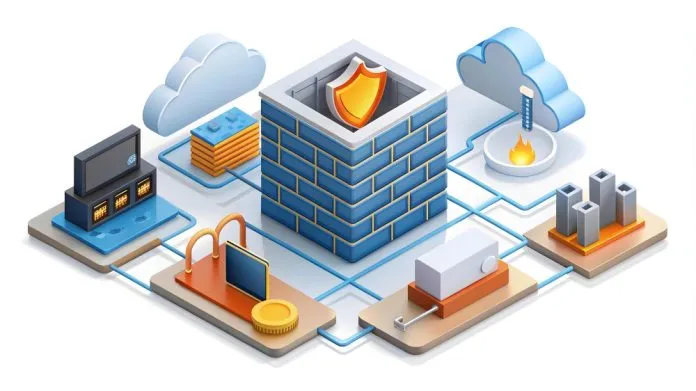
BinaxPay is engineered with strict multi-layer system segmentation to isolate risk, protect sensitive components, and prevent any single failure from affecting the wider ecosystem. Instead of running all financial services inside one environment, every core function, ledger, routing, cards, compliance, treasury, mobile money, API gateways, and reporting, is separated into independent security zones. This architecture ensures that even if one part of the system faces high load, malicious activity, or a technical issue, the rest of the platform continues to operate safely and without interruption. 1. Full Separation of Critical Financial Components Every major system runs in its own isolated segment. Segments include:Ledger cluster Card issuing and authorization engine Payment routing engine Mobile money connectors Treasury pools and liquidity manager Compliance and risk scoring engine API gateways Partner integrations Reporting and analyticsEach segment has its own security rules, compute resources, access controls, and failover systems. Real example: If a mobile money API provider experiences an outage, the ledger, card engine, and bank transfers continue running without interruption. 2. Zero-Trust Communication Between Segments Every segment communicates with others through authenticated, audited, encrypted channels. Controls include:Token-based authentication Mutual TLS Signed request validation Device and service identity Minimum-privilege routingNo segment trusts another by default. 3. Risk-Isolated Transaction Processing Transactions pass through multi-stage risk controls before touching core systems. Layers:API gateway risk filter: blocks suspicious traffic early Routing risk check: evaluates corridor and device risk Compliance engine: sanctions, AML, PEP, behavioral scoring Ledger access control: only clean, validated transactions reach ledgerReal example: If a high-risk device attempts a payout, the API gateway blocks it before it can access routing or ledger systems. 4. Segmented Ledger Access for Maximum Safety The ledger runs in a fully isolated zone with:No direct internet exposure Internal-only traffic Restricted service identity access Encrypted storage Separate compute nodesOnly pre-approved internal services can request ledger operations. 5. Card Network Segmentation for Global Stability Card systems are fully separated from:Mobile money Bank transfers Local payout rails FX engine Treasury operationsThis ensures card traffic spikes do not affect other services. Real example: Black Friday card volume does not slow down payouts in Africa or Asia. 6. Compliance and Risk Engine in a Dedicated Zone All compliance checks operate in their own isolated environment:AML scanning Sanction lists KYC records Behavioral scoring Machine-learning risk modelsNo sensitive compliance data touches external-facing services. 7. Treasury and Liquidity Segmentation for Safety Each treasury pool, EU, UK, US, Africa, LATAM, Asia, operates in its own secure zone. Benefits:Liquidity safety Controlled FX execution Isolated balance management Corridor protectionA liquidity issue in one region never affects others. Real example: If a local payout rail in Ghana becomes unavailable, the EUR, GBP, USD, and other regional pools remain unaffected. 8. External Rail Segmentation (Mobile Money, Banks, PSPs) Connections to external providers are isolated in connector zones. Includes:Bank APIs Mobile money providers Local PSPs Card networks Agent networksAny external outage is contained and cannot impact the core system. 9. Independent Monitoring, Logging, and Fraud Detection Monitoring systems run separately from operational components to prevent tampering. Capabilities:Event isolation Real-time alerts Suspicious pattern identification Per-segment traffic scoringThis allows targeted shutdown of risky actions without affecting the entire system. 10. Micro-Firewalls Around Every Segment Each zone is protected with micro-firewalls that define:Allowed IPs Allowed protocols Service identities Traffic direction rules Rate limits Anomaly detectionAnything outside defined rules is blocked. 11. Horizontal Segmentation for High-Volume Events If a segment receives high traffic:It scales independently It absorbs load It does not affect other segmentsReal example: If many users top up via mobile money, the mobile money connector expands automatically without touching FX or routing performance. 12. Vertical Segmentation to Protect Sensitive Data Sensitive systems such as:Ledger Compliance KYC TreasuryRun on higher-security layers with stricter controls than public-facing systems. Conclusion BinaxPay isolates risk using strict system segmentation across every layer of the platform. Each component, ledger, cards, payments, compliance, mobile money, treasury, FX, routing, operates inside its own secure, independent environment. This guarantees that failures, risk events, traffic spikes, or external issues never spread across systems, ensuring continuous safety, stability, and reliability for all users, partners, and global operations.
- BinaxPay Team
- 15 Feb, 2026
- 4 mins read
Secure Cloud Architecture Behind BinaxPay
BinaxPay operates on a security-first cloud architecture designed to protect user data, financial transactions, government integrations, merchant operations, and multi-country financial infrastructure. Every layer, network, storage, compute, API, compliance, and identity, is hardened with enterprise-grade security controls. The architecture is built for zero-trust environments, continuous monitoring, encrypted communication, and complete regulatory alignment across all regions. 1. Zero-Trust Security Model BinaxPay applies a strict zero-trust framework. Principles:No implicit trust Identity verification on every request Device fingerprinting Continuous authentication Dynamic access rules Environment separationReal example: A partner from Uganda logging in from a new device must pass additional security verification before accessing dashboards. 2. Fully Encrypted Data Storage and Communication All data is encrypted end-to-end. Capabilities:Encryption in transit (TLS 1.3) Encryption at rest (AES-256) Tokenized sensitive data Hashed identity fields Secure vault for secret and API key storageReal example: User card metadata is tokenized; even internal staff cannot view full card details. 3. Multi-Region Cloud Infrastructure With Jurisdiction Control Data is stored in compliance with regional laws. Capabilities:EU data stored in EU zones UK data stored in UK zones US data stored in US zones Jurisdiction-specific isolation Automatic failover between zonesReal example: A French user's data never leaves the EU region, ensuring GDPR compliance. 4. Microservice Isolation for Maximum Security Each service, ledger, KYC, payouts, FX, cards, treasury, runs in a secure isolated microservice. Benefits:No lateral movement Services cannot access each other without authorization Contained security breaches Simplified monitoringReal example: A merchant module exploit cannot affect the ledger or treasury engine due to strict isolation. 5. API Gateway With Layered Security Controls All external traffic flows through a hardened API gateway. Security features:OAuth2 and JWT for authentication Rate limiting IP whitelisting Geo-fencing Device signature checks Threat detectionReal example: Suspicious login attempts from an unexpected region trigger an immediate block and admin notification. 6. Identity and Access Management (IAM) With Role Isolation Access is strictly controlled for partners, merchants, staff, and institutions. Capabilities:Role-based access Multi-factor authentication Privilege separation Approval workflows Temporary access tokens No permanent admin credentialsReal example: Support staff can view a user's profile but cannot trigger payouts or modify treasury balances. 7. Continuous Threat Monitoring and Intrusion Detection The platform is actively monitored 24/7. Capabilities:Anomaly detection Intrusion prevention systems DDoS protection Behavioral threat analysis Automated alerts Real-time log streamingReal example: If the system detects an unusual API spike, requests are rate-limited while alerts are sent to the security team. 8. Secure Development and Deployment Pipeline Security is integrated into every stage of software development. Features:Code scanning Dependency vulnerability checks Container security validation Automated security testing Restricted deployment approvalsReal example: Before deployment, any code touching the ledger must pass additional security review and automated test suites. 9. Redundancy and Secure Backup Architecture Backups are encrypted and stored in multiple secure regions. Capabilities:Automated backups Snapshot recovery Cold storage for critical data Disaster recovery playbooksReal example: If a UK storage cluster becomes unavailable, encrypted replicas in EU and US regions restore automatically. 10. Compliance-Aligned Cloud Security Infrastructure is built to align with international standards. Aligned frameworks:GDPR ISO 27001 PCI DSS principles Local data protection laws Financial regulatory requirements Sanctions and AML compliance frameworksReal example: Sensitive documents uploaded during KYC are encrypted, flagged for access control, scanned for malware, and logged for auditing. 11. Application-Level Security With Multiple Protection Layers Security is built directly into application logic. Capabilities:Anti-fraud logic API misuse detection Session expiration CSRF protection Brute-force prevention Secure temporary session tokensReal example: If a user enters incorrect login credentials multiple times, the system enforces temporary lockout and requires MFA verification. 12. Secure Logging and Audit Trails Every action is recorded securely. Capabilities:Tamper-proof logs Forensic-friendly audit records Ledger event logs Partner activity monitoring Government integration logsReal example: Any attempt to modify user limits triggers an immutable audit entry visible to compliance officers. Conclusion BinaxPay's secure cloud architecture delivers the highest standard of safety, reliability, and regulatory alignment across global financial operations. With multi-layer encryption, zero-trust models, jurisdictional data isolation, real-time monitoring, microservice isolation, and enterprise-grade IAM, the platform remains protected against emerging threats while maintaining continuous availability. This security foundation ensures trust for users, partners, merchants, governments, and institutions worldwide.

- BinaxPay Team
- 15 Feb, 2026
- 3 mins read
Why Our Modular Architecture Makes BinaxPay Future-Proof
BinaxPay is engineered on a modular architecture designed for long-term scalability, rapid global expansion, and unstoppable operational resilience. Instead of building a single monolithic banking system, BinaxPay uses independent components, each capable of evolving, upgrading, scaling, or being replaced without affecting the others. This is the core reason BinaxPay can enter new markets quickly, launch new products without downtime, integrate new partners on demand, and stay technologically relevant for decades. 1. Independent Modules That Scale Without Limits Each core function operates as a separate module:Accounts and wallets Ledger FX engine Compliance engine Mobile money layer Card issuing layer Merchant engine ERP tools Treasury and liquidity API layer Partner dashboards AI behavioral riskWhy it matters: If one module needs improvement, nothing else breaks. Real example: When adding a new mobile-money integration in Uganda, the rest of the system stayed untouched, no downtime, no rebuild. 2. Easy to Enter New Countries New countries only require adding:A local treasury pool Local payment connectors (mobile money or bank rails) Local KYC rules Corridor FX pricingThe core system stays the same. Real example: When expanding into Brazil, BinaxPay added BRL as a local currency module and connected it to the treasury engine, no global reconfiguration required. 3. Zero Downtime for Product Upgrades New features can be added without stopping the system:New card programs New payment rails New compliance rules New dashboards New API endpoints New business toolsEach module updates independently. Real example: A new invoice module for SMEs was added while thousands of users were transacting, no interruptions. 4. Faster Innovation Cycles Because modules are isolated, development teams can work in parallel. Benefits:More updates Faster changes Easier testing Independent deployments Shorter release cyclesReal example: While the compliance team updated risk rules, the ERP team launched a new payroll module simultaneously. 5. Multi-Region Flexibility Built In Different regions have different rules:Africa uses mobile money EU relies on SEPA UK uses Faster Payments US uses ACH and real-time rails LATAM has local bank APIs Asia uses mixed PSP and wallet systemsA modular system adapts instantly. Real example: To launch in Mexico, only the local PSP module and KYC rule-set were added, no impact on existing corridors. 6. Easy Integration With Any Partner Partners can integrate only the modules they need:Wallets Payouts FX Merchant tools ERP Card issuing Dashboards KYCThey do not need the full platform. Real example: A logistics company integrated only payouts and FX into their app, no need for full banking capabilities. 7. Lower Cost and Higher Efficiency A modular system reduces:Maintenance cost Downtime cost Integration cost Infrastructure waste Upgrade complexityReal example: Instead of rebuilding compliance for each corridor, BinaxPay simply plugs in country-specific AML modules. 8. Continuous Adaptation to Regulations When regulations change, only the affected module is updated. Examples:New AML rule: update compliance module New FX rule: update corridor pricing engine New card requirement: update card issuing moduleReal example: A new EU AML requirement was integrated at the module level in hours, no system-wide patch needed. 9. Perfect Foundation for AI and Automation Modularity allows AI agents to plug into each module:AI risk engine AI treasury optimizer AI pricing optimizer AI fraud detection AI ERP insightsReal example: AI detects unusual patterns in the ledger while another AI module optimizes liquidity. 10. Future-Proof for New Technologies Because modules operate independently, the system can easily support:Central bank digital currencies (CBDC) Blockchain integrations New real-time rails New card networks New regulatory frameworks Government digital ID systems Quantum-safe encryptionReal example: A government ID integration was added as an independent module in a single sprint. Conclusion BinaxPay's modular architecture is what makes the platform future-proof. It allows fast expansion, instant upgrades, multi-region flexibility, deep integration capabilities, unstoppable uptime, and cost-efficient innovation. This architecture ensures that BinaxPay can evolve continuously and stay competitive as global finance transforms over the next decade.

- BinaxPay Team
- 14 Feb, 2026
- 3 mins read
Who We Are: BinaxPay at a Glance
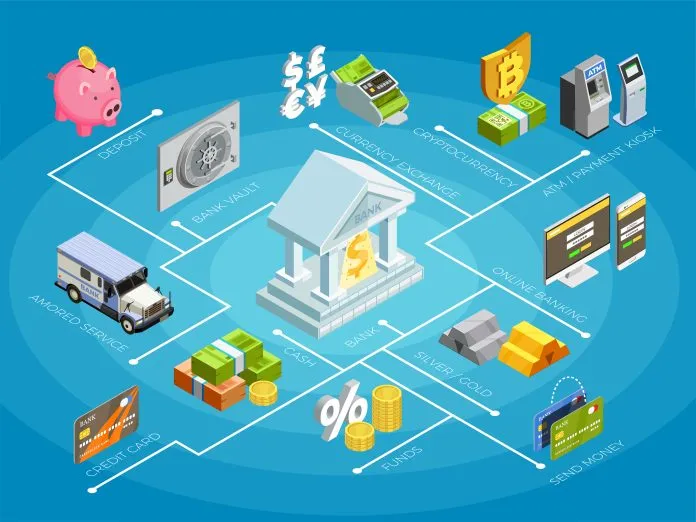
BinaxPay is a European-based financial technology ecosystem built to deliver a modern, secure, and fully scalable digital banking experience to individuals, businesses, governments, and institutional partners worldwide. Operated by BinaxPay Holding Ltd (registered in England and Wales), the platform functions under a strong regulatory foundation through approved, compliant Banking-as-a-Service providers in the EU and UK. This gives BinaxPay the ability to issue IBAN accounts, process payments, manage safeguarding, provide cards, and deliver complete financial infrastructure without the limitations of traditional banking frameworks. BinaxPay is engineered as a global financial operating system. Instead of offering only basic accounts or card services, the platform integrates banking, payments, compliance, enterprise automation, and artificial intelligence into one unified ecosystem. This allows partners and users to operate with full financial capability from day one, without needing to build technology, acquire expensive licenses, or manage complex operational requirements. At its core, BinaxPay combines:Multi-currency personal and business accounts EU and UK IBAN issuing and safeguarding Virtual and physical cards SEPA, Faster Payments, international rails Foreign exchange engine and treasury oversight KYC and AML automation and sanctions screening Full ERP system (CRM, HR, Finance, Inventory, POS) Merchant acquiring and payment gateway solutions AI-powered fraud detection, automation, and analyticsTogether, these components create a single platform capable of supporting consumers, SMEs, enterprises, government programs, and full national-level digitalization projects. BinaxPay's modular architecture means every country, market, or partner can start with a simple configuration (accounts, cards, remittance) and progressively activate additional modules such as ERP, merchant services, mobile money, credit scoring, AI risk engines, and country-specific payment rails. This flexibility allows the platform to operate effectively in both advanced markets (EU and UK) and high-cash, high-population emerging economies across Africa, Asia, and the Middle East. BinaxPay is designed for:Governments and public-sector institutions building national digital finance systems Local licensing partners expanding financial services in their own markets Corporates and enterprises requiring unified payments, banking, and ERP tools Investors seeking exposure to next-generation financial infrastructure Banks and PSPs looking to upgrade from legacy systems to modular architecture Fintech startups requiring a complete white-label ecosystemThe platform's foundation is built on five strategic pillars:Security: enterprise-grade encryption, network isolation, constant monitoring, ISO-aligned operations, and strict access controls Compliance: adherence to EU and UK regulatory standards, automated KYC and AML, sanctions screening, and data protection under GDPR Scalability: microservices architecture capable of supporting multi-country operations, high transaction volume, and complex integrations Partnership: white-label platforms, joint ventures, country-level cooperations, and enterprise integrations Innovation: a deep AI layer that improves risk management, customer operations, fraud detection, and workflow automationBinaxPay's long-term strategy is to become a global infrastructure provider, enabling entire countries, financial institutions, enterprises, and fintech operators to launch modern financial systems rapidly and securely. By combining regulatory alignment, modular technology, and AI intelligence, the platform positions itself as the backbone of the next wave of digital banking transformation globally.
- BinaxPay Team
- 10 Feb, 2026
- 4 mins read
Why Modular Banking Is the New Standard
The global financial system is undergoing a structural redesign, and the core of this transformation is the shift from monolithic banking systems to fully modular, API-driven, cloud-native architectures. Traditional banking infrastructure, built decades ago, was never designed for digital onboarding, instant payments, global markets, AI-driven compliance, or multi-country expansion. As the world moves toward real-time financial ecosystems, modular banking has become the new global standard, and every major financial institution is now racing to adopt it. Modular banking refers to a system where every function, accounts, payments, cards, FX, compliance, lending, onboarding, and even ERP, operates as an independent module. These modules can be activated, upgraded, scaled, replaced, or customized without affecting the rest of the system. This design is not just modern; it is necessary for the future of global finance. 1. Traditional Banking Architecture Cannot Support Modern Needs Legacy banks operate on monolithic cores that are slow, expensive to modify, and extremely difficult to scale. A single change can take months, impacting the entire system. This makes innovation nearly impossible and severely limits expansion into new markets. Modular banking solves this by breaking the infrastructure into independent layers:Core ledger Onboarding and KYC Card issuing Payments Compliance engine FX and treasury Merchant acquiring ERP and business tools AI and automation API gatewayEach module evolves at its own pace, without creating downtime or operational risk. 2. Faster Launch, Faster Innovation, Faster Scaling Modular banking allows new products, markets, and features to go live in weeks, not years. Example: A partner wants to launch a remittance corridor, add mobile money, or activate merchant acquiring. In a modular system, this is simply enabling a module, configuring it, and connecting local rails through APIs. There is no need for:Rewriting core infrastructure Rebuilding compliance systems Changing ledger logic Negotiating months of integrationThis speed is crucial for global expansion, especially in high-demand markets across the U.S., Africa, the Middle East, Asia, and Latin America. 3. Regulatory Compliance Requires Modular Flexibility Regulators now demand:Continuous KYC Real-time AML Sanctions screening Fraud monitoring Risk scoring Data privacy Country-specific rules API reportingA monolithic system cannot adapt quickly enough. Modular banking allows each country, partner, or regulatory environment to have its own compliance layer, customized and updated independently. This gives BinaxPay the ability to operate in multiple jurisdictions simultaneously while maintaining EU and UK level compliance standards. 4. Banks, Fintechs, and Governments Prefer API-First Infrastructure Modern financial ecosystems rely on interoperability. APIs allow systems to communicate instantly, enabling:Cross-border payments Mobile money integrations Merchant systems Remittance corridors Tax and government systems ERP and business applications Card networks KYC and KYB providersA modular API-first approach allows BinaxPay to integrate:Local payment rails Digital currency infrastructure National ID systems Government portals Enterprise systemsThis flexibility is impossible with monolithic architecture. 5. Modular Banking Supports High-Cash, High-Growth Markets Emerging economies require banking systems that can:Handle large cash populations Integrate mobile money Support low-cost remittance Operate with inconsistent infrastructure Scale fast when usage grows Adapt to local regulations Serve both banked and unbanked populationsA modular system adapts to each local environment without redesigning the entire platform. This is exactly why BinaxPay's structure is ideal for Uganda, Nigeria, Ghana, Kenya, South Africa, India, Brazil, UAE, Turkey, Indonesia, and dozens of rapidly growing markets. 6. Lower Cost, Higher Efficiency, and No Legacy Limitations Traditional banking systems are extremely expensive to maintain and upgrade. Modular banking reduces costs dramatically by:Removing legacy constraints n- Decentralizing development Enabling microservice scaling Automating compliance Using modern cloud infrastructure Reducing operational overheadThis allows BinaxPay and its partners to deliver banking, payments, and ERP services at lower cost and higher profitability. 7. The Future of Finance Is an Ecosystem, Not a Single Product The financial sector is shifting toward multi-function platforms where users expect:Accounts Payments Cards Remittance Merchant tools ERP Payroll AI automationModular banking enables this unified approach by allowing different modules to interconnect seamlessly. BinaxPay's ecosystem is built with this future in mind:Banking and payments ERP and business tools Merchant systems AI and compliance FX and treasury Mobile money Government integrationEverything works together, but each system remains independent and upgradeable. 8. Why Modular Is the New Global Standard The world's major regulators, financial institutions, and fintech leaders agree: the future of banking is modular, API-first, cloud-native, and compliance-automated. This new standard enables:International scalability Near-instant deployment Multi-country compliance Rapid innovation Cheaper operations Stronger security AI-driven intelligence Seamless integration with government and enterprise systemsBinaxPay's architecture is built fully around these principles, allowing us to operate as a global financial infrastructure provider. We are not limited by legacy banking systems, and we do not carry the constraints that slow traditional banks. Our modular ecosystem allows us to expand into new markets, onboard new partners, and deliver advanced financial tools with unmatched speed, security, and precision. This is why modular banking is not just the new trend. It is the new global standard, and BinaxPay is built exactly for this future.

- BinaxPay Team
- 05 Feb, 2026
- 4 mins read
Our Role in the Global Digital Economy
BinaxPay operates at the intersection of finance, technology, and global digital transformation. As the world moves toward digital-first infrastructure, cross-border financial systems, and unified economic frameworks, the demand for modern, compliant, and scalable financial technology has never been greater. BinaxPay's role in the global digital economy is to serve as the underlying financial engine that enables individuals, businesses, institutions, and entire countries to participate in the new era of digital finance. The global digital economy is driven by a series of structural shifts: cash is becoming digital, businesses are moving online, governments are modernizing financial infrastructure, and users expect instant services across borders. Traditional banking systems were not built for this environment. They lack scalability, international reach, modularity, and the ability to integrate with digital ecosystems. BinaxPay fills this gap by providing the essential components needed to power modern financial activity on a global scale. 1. Enabling Financial Connectivity Across Borders The digital economy is borderless, but financial systems historically have not been. BinaxPay bridges this gap by offering:Multi-currency accounts API-based banking Global payment rails Real-time FX AI-driven compliance Merchant and business tools ERP and automation systemsThis creates a unified financial layer that enables seamless participation in the global marketplace. Companies can expand internationally without building banking infrastructure. Individuals can access global services regardless of their local financial limitations. Partners can launch cross-border financial products instantly through our ecosystem. 2. Empowering Businesses Through Integrated Digital Tools The digital economy depends on businesses that operate online, accept global payments, and automate operations. Traditional banks do not serve this need. This is why BinaxPay integrates banking, payments, ERP, merchant tools, automation, and AI analytics into one operating system. A small business in Africa or Asia can operate at a global standard using BinaxPay's infrastructure. A multinational company can use the same platform to manage payments, payroll, invoicing, and treasury across multiple countries. This creates economic equalization and reduces barriers to entry. 3. Supporting Government Digitization and Financial Inclusion Governments worldwide are accelerating financial modernization. BinaxPay complements national digital economy agendas by providing:Digital payment infrastructure Mobile money connectivity KYC and identity solutions Local tax and regulatory integrations ERP and national business systems Secure treasury and settlement rails National-scale financial data visibilityThis allows countries to increase transparency, improve financial inclusion, reduce informality, support SMEs, and strengthen local economies through technology, not legacy banking. BinaxPay serves as a strategic enabler for governments pursuing digital transformation programs. 4. Powering the Emerging Market Digital Boom Africa, MENA, South Asia, and Latin America are becoming the most important engines of global growth. These regions have young populations, rising digital adoption, fast-moving economies, high mobile money usage, and low traditional banking penetration. BinaxPay's architecture was built specifically for these high-growth markets. Our treasury pool model, mobile money integrations, modular deployment, and compliance automation allow us to support financial expansion in regions where traditional banking has struggled. We enable emerging markets to leapfrog directly into modern digital finance without the barriers that other regions faced. 5. Creating a Unified Financial Ecosystem for the World The digital economy requires interoperability, systems that can communicate, integrate, and operate together. BinaxPay offers a complete, unified ecosystem where banking, payments, compliance, FX, merchant operations, business tools, government integrations, and AI intelligence all operate in harmony, supported by API interfaces and modular design. This creates a global financial environment where technology companies, governments, enterprises, and users can collaborate across borders effortlessly. 6. Building Infrastructure for the Next Era of Digital Finance The future digital economy depends on infrastructure, not traditional banks. BinaxPay is not positioned as a consumer neobank, but as a global financial infrastructure provider. Our ecosystem becomes the backbone that other institutions rely on to deliver financial services to millions of users. We support:National digitization programs Enterprise financial frameworks Cross-border business ecosystems Fintech expansion Local banking modernization Financial inclusion strategies Payment and settlement networksBinaxPay's role is to provide the technological, regulatory, and operational foundation for the world's shift toward digital finance, creating sustainable, compliant, and scalable systems for the next decade and beyond. A Platform Built for Global Connectivity The global digital economy runs on speed, compliance, integration, and intelligence. BinaxPay delivers all four through a modular architecture, EU and UK regulatory foundation, AI-driven processing, and international deployment model. As more economies shift toward digital-first structures, BinaxPay becomes the essential infrastructure powering:Cross-border commerce Digital payments Mobile money ecosystems Global business operations National financial modernization AI-driven financial systems Multi-country enterprise networksOur role in the global digital economy is clear: to provide the financial infrastructure, intelligence, and connectivity that enable nations, businesses, and people to participate in a truly global digital world.

- BinaxPay Team
- 18 Jan, 2026
- 3 mins read
The BinaxPay Model vs Traditional Banking
The global financial system is shifting away from slow, infrastructure-heavy, regulator-limited traditional banking toward fast, modular, technology-driven financial ecosystems. BinaxPay represents this new model: a modern, scalable, AI-powered financial operating system designed to deliver banking-grade services without the restrictions and inefficiencies of the legacy banking world. Below is a clear comparison showing how BinaxPay fundamentally differs from, and improves upon, traditional banking. 1. Technology Infrastructure: Modern vs Legacy Traditional Banking:Built on outdated monolithic core systems Expensive, slow, and almost impossible to upgrade Limited to single-country deployment No real-time data architecture Integration takes months or yearsBinaxPay:Modular microservices architecture Real-time API-driven system Cloud-native, instantly scalable across continents Easy integration with mobile money, fintechs, PSPs, and ERPs Continuous upgrades without downtimeBinaxPay is built like a technology company, not a legacy bank. 2. Licensing and Compliance Framework Traditional Banking:Requires full banking license in every country Heavy capital requirements Years of regulatory approval Extremely slow market entryBinaxPay:Operates under EU and UK regulated BaaS infrastructure No need for local banking licenses to launch services Fast, compliant expansion into new markets Automated KYC and AML, sanctions screening, and transaction monitoring Global compliance alignment via centralized systemsThis enables faster deployment with stronger compliance automation. 3. Financial Products and Capabilities Traditional Banking:Limited online capabilities Basic online banking functions No integrated ERP, merchant, or AI systems High-cost remittance and FXBinaxPay:Multi-currency accounts and IBAN issuing Virtual and physical cards Global payment rails (SEPA, FPS, mobile money, cross-border) FX, treasury, compliance, ERP, merchant tools in one ecosystem AI-powered risk, fraud, and behavior scoringBinaxPay delivers a full financial operating system, not just accounts. 4. Speed of Launch and Market Expansion Traditional Banking:Launching in a new country takes years Requires licensing, capital, infrastructure, and regulatory approval High fixed costsBinaxPay:Deploys digital banking in weeks or months Uses modular activation for accounts, cards, payments, ERP, merchant tools Local partners can launch instantly via API or white-label Treasury pool model supports remittance without cross-border settlement Scalability is built into the architecture from day one5. Focus: Infrastructure vs Retail Banking Traditional Banking:Built mainly for retail customers Does not serve SMEs, merchants, and governments with integrated systems Limited AI and automationBinaxPay:Built for the entire financial ecosystem Serves consumers, SMEs, enterprises, merchants, PSPs, governments, and banks Provides ERP, business automation, mobile money, merchant tools, and AIBinaxPay is not a bank. It is an infrastructure provider for the future of finance. 6. Cost Structure and Operational Efficiency Traditional Banking:High operating costs Branches, staff, legacy technology Inefficient manual processes High FX and remittance feesBinaxPay:No branches, minimal overhead Automated compliance, AI fraud, digital onboarding Efficient treasury and low-cost remittance Digitally scalable with almost zero marginal costThe result: better pricing, faster services, and wider accessibility. 7. User Experience and Accessibility Traditional Banking:Slow onboarding Paper-based processes Limited digital usability Not designed for cross-border usageBinaxPay:Instant online onboarding Multi-language, mobile-first experience Global access to accounts and payments Unified dashboard for banking, payments, ERP, and merchant toolsA modern, global-first user experience. 8. Vision: Future-Oriented vs Past-Oriented Traditional Banking:Designed for the past Slow to adapt to fintech trends Limited innovation cyclesBinaxPay:Designed for the next decade Built for high-growth digital economies Rapid innovation with AI and modular upgrades Future-proof infrastructure for global financial modernizationThe BinaxPay model aligns with the new global standard for financial systems. Conclusion: A New Blueprint for Global Finance BinaxPay delivers a banking-grade ecosystem without the limitations of traditional banking:Faster deployment Stronger compliance automation Better scalability Lower cost Integrated business and merchant capabilities AI intelligence across the entire system Seamless multi-country expansionWhile traditional banks continue struggling with outdated systems, BinaxPay moves forward as a global infrastructure provider, powering the digital financial economy across Europe, the United States, Africa, the Middle East, Asia, and Latin America.

- BinaxPay Team
- 07 Jan, 2026
- 3 mins read
Our Core Principles: Security, Compliance, Scale
BinaxPay is built on three non-negotiable principles that define how our ecosystem operates across every country, every partnership model, and every product we deliver. These principles guide our technology, our regulatory alignment, our expansion strategy, and our long-term commitment to building a global financial infrastructure that partners and governments can rely on. 1. Security: Protecting the Integrity of Every Transaction Security is the foundation of BinaxPay's entire architecture. We operate with banking-grade protection standards designed to safeguard user data, financial activity, infrastructure integrity, and cross-border operations. Our security framework includes:End-to-end encryption for all financial and personal data Enforced multi-layer authentication and access controls Network isolation, firewalls, and continuous threat monitoring PCI-DSS-aligned card environment and tokenization Secure API gateway and IP-controlled partner access Strict internal governance and ISO-aligned operational processes 24/7 infrastructure monitoring with automated threat detectionBinaxPay's security systems are engineered to support millions of users and large enterprise clients without compromising performance or stability. 2. Compliance: Operating Under the Highest Global Standards Compliance is not a separate department at BinaxPay. It is woven into the core of our technology. By operating under EU and UK regulated BaaS providers, we inherit and uphold the strictest standards in global finance. Our compliance model integrates:KYC and KYB verification Enhanced AML and financial crime screening Real-time sanctions and PEP monitoring Automated suspicious activity detection GDPR and UK Data Protection Act adherence Continuous transaction monitoring and rule-based filtering Structured reporting procedures and audit trails Localized compliance layers for each expansion countryThis ensures that every new user, partner, merchant, or corridor meets international regulatory expectations from day one. 3. Scale: A Global Architecture Designed to Expand Across Continents BinaxPay is built for scale. Our modular, cloud-native, API-driven architecture enables rapid deployment into new markets while maintaining consistent quality, reliability, and compliance. We scale on three levels:Technology scale: microservices, modular activation, load-balanced infrastructure, and high-availability systems Geographic scale: EU, UK, United States, Africa, Middle East, Asia, Latin America, powered by localized modules Operational scale: automated onboarding, AI-driven risk management, ERP for SMEs, merchant systems, and country-level JV partnershipsWhether we deploy for thousands of users or millions, BinaxPay maintains performance, stability, and compliance across all markets. A Foundation for Global Financial Infrastructure Security, compliance, and scale form the backbone of the BinaxPay ecosystem. These core principles ensure that we can support national digitalization programs, enterprise financial transformation, cross-border corridors, and large-scale joint ventures, all while protecting users, partners, investors, and institutions. These pillars define who we are today and ensure we remain a trusted, future-proof infrastructure provider for the global digital financial economy.

- BinaxPay Team
- 30 Dec, 2025
- 3 mins read
Why Countries Partner With BinaxPay
Countries, regulators, enterprises, and national operators choose BinaxPay because it provides a complete, ready-to-launch financial ecosystem based on EU/UK regulatory standards, global payment connectivity, and enterprise-grade technology. Instead of spending years building banking infrastructure, partners can deploy a modern national fintech platform in a matter of weeks.EU/UK-Grade Compliance From Day One BinaxPay operates on a regulatory foundation anchored in:UK-based BinaxPay Holding Ltd EU-regulated EMI/BaaS partners full AML/KYC/KYB frameworks GDPR-level data protection global sanctions screening This gives countries immediate access to trusted, internationally accepted compliance standards without building them internally.Fastest Path to Launch a National Fintech System BinaxPay allows a new country to go operational rapidly because the technology is already certified, pre-built, and ready for deployment.A complete rollout includes: local company formation EU/UK documentation package activation of payment rails onboarding of enterprises and SMEs treasury and liquidity setup country-specific configurations What normally takes 12-24 months can begin in 30 days with BinaxPay.No Need to Build Banking Technology Most countries, founders, and investors cannot afford to build:core banking systems compliance engines ledger infrastructure issuing systems risk and fraud engines mobile money integrations ERP and enterprise financial tools BinaxPay provides everything, fully built, tested, and globally connected. This eliminates years of development and millions in technical cost.Ready Access to Global Payment Rails Countries instantly gain access to:SEPA (EU) SWIFT (global) PIX (Brazil) FedNow and ACH (USA) Faster Payments (UK) Mobile money networks Card issuing and processing networks This enables a complete digital finance environment from day one.Local Operators Receive a Complete Platform Partners do not need technical staff.BinaxPay provides: full platform continuous updates 24/7 engineering compliance and KYC tools dashboards for consumers and enterprise FX and treasury management sanction and fraud engines API infrastructure Local teams only manage operations, licensing, investor relations, and enterprise clients.Strong Investor Confidence Investors prefer the BinaxPay model because it provides:finished platform full documentation pack EU/UK compliance clear shareholding structure predictable revenue streams global expansion model already proven This significantly increases investment success.Scalable for Entire National Ecosystems BinaxPay can support:government payouts social programs enterprise payroll SME merchant payments cross-border trade fintech operators remittance services mobile money distribution card issuing programs A country can build multiple industries on top of the same infrastructure.Lower Cost for High-Quality Infrastructure Instead of spending millions on banking technology, countries only invest in:local company formation documentation licensing treasury pools enterprise and business onboarding local market distribution All technology, compliance, fraud, and infrastructure is provided by BinaxPay.Immediate Cross-Border Corridor Activation Once a new country joins, it instantly connects to:EU UK USA GCC LATAM Africa Asia This enables inbound and outbound payments for businesses, remittances, and fintech platforms.Proven Global Model BinaxPay uses the same expansion strategy as:Revolut Wise N26 Payhawk Paysera These companies started with local entities, EU compliance, and BaaS providers before expanding globally. BinaxPay applies the same model, but faster and with broader infrastructure. Conclusion Countries partner with BinaxPay because it offers a complete financial ecosystem: EU/UK compliance global payment rails full digital banking stack enterprise tools mobile money FX and treasury KYC/KYB/AML card issuing API integrations scalable national infrastructure BinaxPay gives any country the ability to run a modern financial system instantly, securely, and at a fraction of traditional cost.

- BinaxPay Team
- 27 Dec, 2025
- 3 mins read
What Is BinaxPay?
BinaxPay is a UK-based global financial infrastructure platform that enables any country, company, or operator to launch a complete digital banking and payment ecosystem in weeks. Rather than being a traditional bank, BinaxPay provides the full technology stack, EU and UK regulated payment rails, compliance systems, and enterprise tools needed to operate modern financial services at national scale. BinaxPay Holding Ltd is incorporated in England and Wales under company number 16830503 and operates through established EU and UK BaaS and EMI partners, ensuring that all services run on fully compliant, audited, and regulator-approved infrastructure. What BinaxPay ProvidesMulti-currency accounts and digital wallets Instant payouts to banks, cards, and mobile money Merchant payments and enterprise collections FX engine, treasury management, and global corridors KYC, KYB, AML, sanctions screening, and fraud monitoring Access to EU and UK payment rails (SEPA, Faster Payments, SWIFT) Access to global systems (PIX, FedNow, IBAN, local rails) Virtual and physical cards plus BIN issuing programs ERP, payroll, invoicing, and business automation Full API infrastructure for fintechs, PSPs, and enterprisesBinaxPay combines banking, payments, compliance, ERP, and AI into a single infrastructure layer. How BinaxPay Launches in a New CountryForm and activate a local company (100% local founder at stage 1) Transfer BinaxPay rights, frameworks, and documentation Connect local payment rails (banks, PSPs, mobile money) Set up liquidity pools for instant settlement Activate cross-border corridors via EU and UK partners Onboard merchants, enterprises, fintech operators, and large clients Deploy the platform either as BinaxPay or co-branded Expand through SMEs, telecoms, agent networks, and enterprise partnershipsThis model has been successfully used in multiple countries and follows global fintech best practices. Why Countries and Investors Choose BinaxPayFastest route to launching a modern fintech and payment platform No need to build or maintain banking technology Full compliance suite already prepared (EU and UK standard) Eliminates millions in development and licensing cost Instant access to regulated EU and UK rails and settlement partners Immediate cross-border connectivity (EU to US to GCC to Africa to LATAM) Scalable for nationwide programs (welfare, payroll, payouts, SMEs) Strong investor-ready documentation and operational frameworksBinaxPay reduces launch time from 2-3 years to 4-8 weeks. Who BinaxPay Works WithGovernments and public-sector digital finance programs Telecom operators and mobile money providers Fintech startups and established PSPs Local banks and financial institutions Country partners, founders, and investors Enterprises requiring payroll, payouts, or merchant servicesThe Core Concept BinaxPay allows any country, institution, or investor to launch a full digital financial ecosystem, banking, payments, FX, compliance, ERP, and AI, using infrastructure backed by UK and EU regulated partners. It is the fastest, safest, and most scalable way to build modern financial services without the complexity, cost, and delays of traditional banking development.

- BinaxPay Team
- 20 Dec, 2025
- 3 mins read
The Global Partner Network Behind BinaxPay
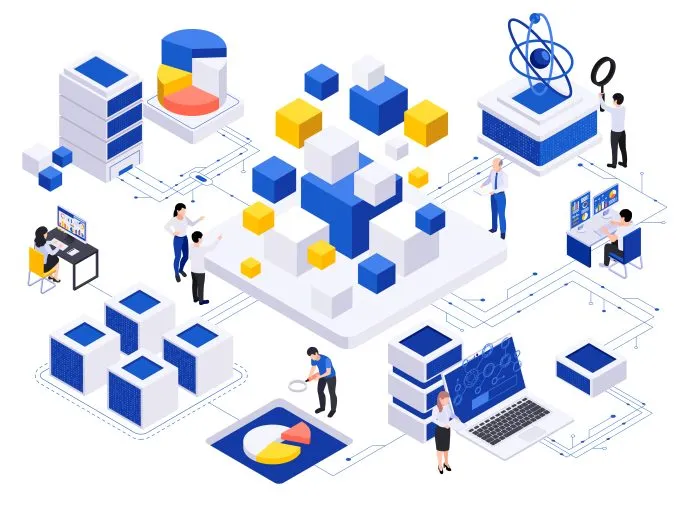
BinaxPay operates as a global financial infrastructure built on a powerful network of partners across continents. This network includes banks, PSPs, telecoms, mobile money operators, FX providers, liquidity partners, enterprises, developers, government institutions, and country-level operators who collectively enable instant payments, compliant operations, and multi-rail connectivity. The strength of the ecosystem comes from the combination of global technology and deeply rooted local partnerships in every market. 1. Banks & Financial Institutions Across Regions BinaxPay partners with banks in:EU UK US East Africa West Africa Middle East South Asia LATAMThese banks provide:local settlement accounts treasury support regulatory alignment merchant and enterprise banking access institutional corridor connectivityBanks anchor the system in each region. 2. PSPs & Payment Aggregators for Local Rails PSPs are essential to BinaxPay's multi-rail capability. They provide access to:local bank transfers QR payments USSD payments mobile money connections agent cash-in/cash-out networksTheir networks allow instant settlement for users and merchants. 3. Mobile Money Operators Across Africa & Asia Mobile money partners include operators such as:MTN Airtel M-Pesa Tigo Vodacom Opay Wave Others depending on the regionThey power the fastest-growing payout and merchant acceptance channels. 4. Telecom Partners for Wallet Connectivity & USSD Telecom partners enable:USSD-based onboarding mobile wallet activation SMS confirmations bulk payout notifications agent distribution networksTelecom corridors are critical in high-cash, mobile-first markets. 5. FX Desks & Regional Liquidity Providers FX and liquidity partners support:local currency pools corridor stability FX pricing treasury balancing risk hedgingThey ensure every corridor operates smoothly and profitably. 6. Enterprise & Merchant Ecosystem Partners Merchant partners include:retail chains online platforms delivery companies hotel groups transport operators logistics platforms utility companiesThese partners create daily transaction volume and recurring payouts. 7. Government & Institutional Partners Government-related partners include:ministries national payment networks export agencies development authorities public sector programs digital transformation unitsThese partnerships enable national-scale financial deployments. 8. Compliance & Risk Technology Partners Compliance partners contribute:KYC verification tools AML monitoring sanctions screening document validation fraud intelligence behavioral risk scoringThey support global and local regulatory mandates. 9. Developer & Technology Integration Partners Technology partners include:SaaS platforms fintech developers ERP and POS providers e-commerce platforms software integrators mobile app developersThese partners extend BinaxPay across thousands of businesses. 10. Country-Level Operators & JV Partners Country partners are the local operational backbone:manage treasury pools operate payment rails onboard merchants support users maintain regulator relations provide daily reportingEach partner plays a critical role in their own market. 11. Regional Corridor Partners Corridor partners power:EU → Africa US → LATAM UK → Africa GCC → Asia EU/US → South Asia intra-Africa paymentsThey provide corridor-specific liquidity and infrastructure. 12. Real-Life Example of Global Partner Network in Action Scenario: A UK freelancer sends GBP to a supplier in Kenya. The partner network performs:UK bank partner → receives GBP Ledger → performs GBP→KES FX virtually FX partner → ensures KES liquidity availability Telecom partners → deliver instant M-Pesa mobile money payout PSP partner → reconciles transaction Country operator → updates daily reportsMultiple partners working together = one seamless payout. Conclusion BinaxPay's power lies in its global partner network—banks, PSPs, mobile money operators, FX providers, telecoms, enterprises, regulators, and local operators—all working together through a unified system. This multi-layered network allows BinaxPay to deliver instant, compliant, multi-rail financial services across continents, making it one of the most flexible and scalable financial infrastructures in emerging and developed markets alike.
- BinaxPay Team
- 18 Dec, 2025
- 4 mins read
Microservices, Cloud Infrastructure & Scaling Terms
A practical guide to the core technical concepts behind scalable fintech infrastructure, with clean definitions and a real-life example relevant to operations in the EU, USA, Sweden, Germany, Brazil, Saudi Arabia, and Oman. 1. Microservices Architecture Microservices means breaking a large system into many small, independent services. Each service runs separately and has one primary job. Examples of microservices include KYC service, payments service, FX engine, card issuing service, notifications service, and ledger service. Why fintechs use microservices Faster development, no full-system downtime, independent scaling, easier upgrades, and better fault isolation. If the card service fails, the ledger still works. 2. Monolith vs Microservices Monolithic system: one big codebase, slow to update, risky to scale, one bug can break everything. Microservices: multiple small services, deploy independently, scale independently, safer and faster. Modern fintechs choose microservices. 3. Containers (Docker) A container is a lightweight package that contains code, libraries, and dependencies. It runs the same everywhere: developer laptop, cloud infrastructure, production servers. Docker eliminates "works on my machine" issues. 4. Orchestration (Kubernetes / K8s) Kubernetes manages containers automatically: scales services, restarts crashed containers, balances traffic, and manages deployments. It ensures your system stays online. 5. Auto-Scaling Auto-scaling automatically increases or decreases computing resources based on load. Examples include payment traffic spikes, card transactions increase, merchant payout rush, and end-of-month payroll processing. Auto-scaling prevents downtime and reduces cost. 6. Load Balancers A load balancer distributes traffic across multiple servers to avoid overload, ensure faster responses, and keep the system stable. Fintechs use them to manage high-volume transaction loads. 7. Cloud Infrastructure (AWS, Google Cloud, Azure) Fintechs run on cloud platforms for global availability, fast scaling, secure storage, uptime SLAs, and reliable backups. Typical fintech services on cloud include databases, KYC engines, card systems, ledger and settlement engines, and reporting dashboards. 8. Horizontal vs Vertical Scaling Vertical scaling adds more power to a single machine (RAM, CPU). Horizontal scaling adds more machines to handle load. Fintechs rely on horizontal scaling for millions of transactions. 9. Service Mesh (Istio, Linkerd) A service mesh controls communication between microservices and handles encryption between services, retries, routing, and traffic control. This increases performance and security. 10. High Availability (HA) High availability means no downtime, redundant servers, and multi-zone deployments. If one region fails, another takes over instantly. 11. Fault Tolerance Fault tolerance ensures the system continues working even when a microservice crashes, a database node fails, or a data center goes offline. This is critical for fintech reliability. 12. Redundancy Redundancy means having spare systems ready. Examples include secondary database, backup KYC provider, duplicate FX engine, and alternative SMS or email providers. If one fails, the other activates. 13. CDN (Content Delivery Network) A CDN speeds up delivery of apps, dashboards, and websites. It is used for fast customer experiences globally. 14. Queue Systems (RabbitMQ, Kafka, SQS) Queues are used when payments need background processing, card operations must be sequenced, KYC verification returns slow results, or settlements must be processed safely. Queues prevent system overload. 15. Caching (Redis, Memcached) Caching stores frequently used data for fast access: recent FX rates, user session data, API token validation, and recent transactions. Caching reduces load on databases. 16. Databases (SQL vs NoSQL) SQL (PostgreSQL, MySQL) used for financial records, ledger, balances, and regulated data. NoSQL (MongoDB, DynamoDB) used for logs, analytics, and high-speed queries. Fintechs usually mix both. 17. CI/CD Pipelines CI/CD automates testing, deployment, and updates, allowing fintechs to release new features every day without downtime. 18. Observability: Monitoring, Logging, and Alerts Fintechs monitor transaction failures, API errors, system load, latency, and fraud patterns. Tools include Grafana, Prometheus, Elastic, and Datadog. 19. Disaster Recovery (DRP) A DRP ensures the system can survive data loss, region outage, or cyberattacks with daily backups, geo-replication, and secondary systems. 20. Real-Life Example (Germany to USA to Saudi Arabia Scaling Scenario) Scenario: A BinaxPay feature goes viral in Germany, causing a traffic spike. Step 1: Microservices handle load. Payments, KYC, and card issuing services scale independently. Step 2: Auto-scaling activates. Kubernetes adds more containers for the Payments API and Ledger services. Step 3: Load balancers distribute traffic. Incoming requests from Germany and USA are routed evenly. Step 4: Database scaling. Primary database in Frankfurt handles writes, read replicas in Virginia (USA) and Riyadh (Saudi Arabia) serve traffic locally. Step 5: Queue systems process high-volume payouts. Kafka queues keep the system stable during spikes. Step 6: Real-time monitoring triggers alerts. Ops team sees the surge but system stays stable due to auto-scaling. Result: zero downtime, instant settlement, global users unaffected. This is how a modern fintech uses microservices and cloud scaling to operate reliably across continents.

- BinaxPay Team
- 12 Dec, 2025
- 3 mins read
BinaxPay Technology Overview (Non-Technical Summary)
BinaxPay is built as a complete financial infrastructure platform that allows any country, company, or partner to launch modern digital banking and payment services without building technology from scratch. This summary explains the system in simple, non-technical language while showing the full strength of the platform. 1. All-In-One Financial Infrastructure BinaxPay combines everything needed for a digital financial ecosystem into one platform:Accounts and digital wallets Payouts to banks, cards, and mobile money Merchant payments and enterprise billing FX engine and treasury tools Compliance (KYC, KYB, AML, sanctions) ERP, payroll, and invoicing API infrastructure for partnersThis eliminates the need to work with multiple vendors, systems, or banks. 2. Ready for Any Country BinaxPay is designed to be activated in any market:Connects to local banks Connects to mobile money (if available) Connects to PSPs and payment gateways Supports any local currency Adapts to local regulationThe platform only needs a country operator and access to payment rails to fully activate. 3. Uses EU/UK-Certified Core Banking Partners BinaxPay runs on infrastructure provided by regulated partners in:United Kingdom (BaaS / EMI partners) European Union (EMI/BaaS partners)This makes the system:compliant secure audited approved for cross-border corridorsLocal countries benefit from EU/UK-grade financial standards immediately. 4. Modular System (Use Only What You Need) Partners can choose which parts of the platform they want to use:Only payouts Only accounts and wallets Only cards Full digital bank ERP plus paymentsEverything is modular and can be activated step by step. 5. Instant API Connectivity BinaxPay exposes a complete API layer, allowing businesses to integrate:Payouts Collections KYC FX Cards Wallets ERP functionsThis makes it easy for enterprises, fintechs, logistics companies, e-commerce platforms, and government systems to plug into BinaxPay. 6. AI-Driven Compliance and Fraud Monitoring The system continuously monitors:transactions user behavior velocity patterns sanctions lists merchant activity high-risk transactionsAI flags suspicious activities instantly, ensuring full compliance with global regulations. 7. Enterprise-Ready ERP and Automation BinaxPay includes built-in tools for:payroll invoicing accounting staff payouts vendor payments bulk disbursementsThis makes it ideal for large companies, factories, delivery platforms, and government programs. 8. Mobile-Friendly and Lightweight The platform is designed for real markets:mobile-first interface ultra-fast performance works in low-internet regions optimized for basic devicesAny user can operate the system with minimal digital literacy. 9. Scalable for National Deployment BinaxPay can support:millions of users thousands of merchants large government payouts nationwide wallet rollouts telecom-scale trafficThe infrastructure is built for growth from day one. 10. Real-Life Examples Germany Enterprises integrate BinaxPay for payroll and instant staff payouts. Sweden Fintechs use the API layer to build wallets and embedded banking features. USA Logistics and gig-economy companies use instant card or bank payouts. Saudi Arabia Enterprises use ERP plus payouts for staff, vendors, and contractors. Brazil Businesses integrate PIX through BinaxPay to automate collections. Oman Government-linked partners use it to modernize payment flows and digitize financial services. Short Summary BinaxPay is a full financial infrastructure system with accounts, payments, cards, FX, compliance, ERP, and APIs, powered by EU and UK regulated payment partners and ready to deploy in any country within weeks. It gives partners everything needed to launch a modern financial ecosystem quickly, safely, and at global standards.

- BinaxPay Team
- 09 Dec, 2025
- 2 mins read
Investor Benefits & Growth Opportunities
BinaxPay offers investors a clear, structured, and scalable growth model built on real financial activity, multi-country expansion, and long-term recurring revenue. The ecosystem is designed to grow with every new corridor, merchant, and government or enterprise partner. 1. Multi-Country Expansion = Multi-Layer Revenue Every time BinaxPay enters a new country, investors gain access to new revenue streams through:transaction fees FX spreads merchant payments mobile money payouts card issuing enterprise payroll and invoicing API and white-label servicesGrowth compounds across regions, not just within one market. 2. Early Investor Advantage Early investors receive:priority equity allocation access to country-level ownership first right of refusal in new markets long-term revenue participation influence in strategic decisionsThis creates strong upside as the ecosystem expands globally. 3. Access to High-Growth Markets BinaxPay focuses on the fastest-growing financial regions:Africa LATAM GCC South Asia Southeast AsiaThese markets have:high mobile penetration limited traditional banking fast-growing SME activity strong cross-border payment demandEarly entry means higher long-term returns. 4. Scalable Revenue With Low Operating Costs BinaxPay uses:EU and UK regulated BaaS automated compliance in-house technology cloud and microservices architectureResult:extremely low marginal cost high scalability rapid deployment in each marketRevenue increases without proportional increases in expenses. 5. Enterprise and Government Partnerships BinaxPay collaborates with:telecom operators mobile money providers banks government programs large enterprisesThese create large, stable transaction volumes and long-term contracts. 6. Strong Exit Possibilities Investors benefit from multiple possible exit routes:IPO acquisition by a bank acquisition by a telecom acquisition by a global PSP share buyback by the holding companyThe fintech infrastructure sector has high acquisition activity and strong valuations. 7. Long-Term Recurring Revenue Every transaction generates income:payments payouts FX merchant settlement card feesThis creates sustainable, recurring revenue instead of one-time income. 8. Low Risk Through Diversified Corridors The ecosystem is active across multiple regions. If one corridor slows down, others continue generating revenue. This reduces investor risk and increases stability. 9. Real-Life Example An investor supports BinaxPay entry into Brazil. Once operational:SMEs use BinaxPay for payroll banks connect for payouts merchants adopt QR and instant settlement international corridors (EU and USA to Brazil) activate enterprise clients onboardThe investor receives their share of all corridor activity for years. 10. Why Investors Choose BinaxPayunique global infrastructure model fast country launch (company, documents, licensing roadmap) strong EU and UK regulatory base high-volume enterprise focus multi-rail payment capability no dependency on a single market proven expansion modelBinaxPay gives investors long-term ownership in a global financial infrastructure with scalable revenue, strong corridors, and broad market expansion potential.

- BinaxPay Team
- 09 Nov, 2025
- 5 mins read
The Problems BinaxPay Solves in Emerging Markets
Emerging markets represent some of the fastest-growing economies in the world — energized by young populations, rapid mobile adoption, rising entrepreneurship, and expanding digital economies. Yet these regions face deep structural limitations that prevent financial systems from operating efficiently. Traditional banks lack the technology, flexibility, and scalability to meet the needs of modern consumers, SMEs, merchants, and cross-border businesses. BinaxPay is engineered specifically to solve these systemic challenges. Through modular banking, AI-driven compliance, ERP automation, and localized payment connectivity, BinaxPay provides the foundational infrastructure emerging markets need to accelerate growth, financial inclusion, and economic modernization. Below is a detailed explanation of the major problems emerging markets face — and how BinaxPay solves each one. 1. High Cash Usage & Low Banking Penetration The Problem: Most emerging markets still operate heavily with cash. Key issues include:Limited access to formal banking Expensive or inaccessible traditional accounts Logistics problems for physical cash handling No digital records, making loans or compliance impossible Businesses unable to scale due to manual operationsHow BinaxPay Solves It:Mobile onboarding with instant account creation Digital wallets with no need for branches Merchant tools for cash-to-digital conversion Mobile money integrations Local treasury pools reducing the cost of digital financeThis creates a transition pathway from cash-driven economies into modern digital ecosystems. 2. Slow and Expensive Cross-Border Transfers The Problem: Emerging markets rely heavily on remittance flows, yet traditional systems are:Overpriced (8–15% fees) Extremely slow (2–7 days) Vulnerable to compliance delays Dependent on outdated correspondent banking networksHow BinaxPay Solves It:Treasury pool architecture (money stays local) Real-time API-based transfers Smart FX management and low-margin conversion Automated compliance and risk scoring Instant transfer routingEmerging markets receive fast, secure, low-cost global transfers — powering families, SMEs, and trade activities. 3. Fragmented Payment Systems & No Unified Infrastructure The Problem: Most emerging markets operate disconnected financial systems:Mobile money providers don't communicate with each other Banks and fintechs lack interoperability Merchants use multiple tools that don't integrate Government platforms are outdated or isolatedHow BinaxPay Solves It:Unified payment hub integrating mobile money, banking rails, and international corridors All modules (accounts, payments, ERP, merchant, AI) operate in one ecosystem API integrations that connect banks, PSPs, government systems, and enterprises Localized modules for each country's financial infrastructureBinaxPay becomes the central infrastructure layer connecting the entire ecosystem. 4. Limited Access to Business Tools & Automation The Problem: Small and medium enterprises (SMEs) are the backbone of emerging economies — but they lack:Accounting systems ERP tools Payment infrastructure Inventory management Payroll systems Digital invoicing Compliance supportMost SMEs operate manually, preventing growth. How BinaxPay Solves It:Full ERP suite (CRM, HR, POS, Inventory, Finance) Business dashboards with real-time financial analytics Merchant acquiring & payment links Automated tax, invoice, and reconciliation tools AI automation for workflows and complianceThis supports SME digitalization — essential for economic development. 5. Heavy Compliance Burdens & Fraud Risk The Problem: Emerging markets face complex challenges:High rates of financial fraud Document falsification Identity theft AML risks Limited technological tools for monitoring Manual compliance causing delays and blocked transfersHow BinaxPay Solves It:AI-driven KYC/AML Sanctions, PEP, and adverse media screening Real-time transaction monitoring Fraud scoring and behavioral analytics Mobile identity verificationThis enables markets to operate safely at scale — essential for global trust. 6. Limited Banking Infrastructure in Rural & Remote Regions The Problem: Millions of people in emerging markets live far from bank branches or formal infrastructure. Digital systems are often unreliable, and customers depend on:Mobile money agents Cash merchants Informal systemsThis creates unequal financial access. How BinaxPay Solves It:Fully digital onboarding with smartphone access Integration with local agent networks Hybrid online/offline payment capabilities Scalable across rural populations without branches Mobile-first ecosystem accessible anywhereThis opens financial inclusion to millions who previously had no access. 7. Expensive Merchant Systems & Limited Digital Commerce The Problem: Traditional merchant systems are often:Too costly for small businesses Not compatible with local payment methods Not integrated with mobile money Hard to manage for businesses with no technical knowledgeHow BinaxPay Solves It:Low-cost merchant acquiring Instant payment links and QR payments Mobile POS, virtual terminals, and multi-rail acceptance Integration with ERP toolsThis helps small merchants join the digital economy and expand their customer base. 8. Inefficient Government Financial Systems The Problem: Governments in emerging markets often face challenges in:Tax collection Social programs Digital identity integration National payment infrastructure Transparent reporting Cross-border economic regulationHow BinaxPay Solves It:Infrastructure for national digital economy programs Secure enterprise and government modules Treasury and settlement systems API integrations with national ID and mobile money Support for digital identity, e-invoicing, and public-sector ERPThis enhances transparency, efficiency, and economic growth. 9. Limited Access to Global Commerce The Problem: Businesses and freelancers in emerging markets struggle with:Receiving international payments Lack of foreign currency accounts High FX fees Limited platforms that support global trade Compliance restrictionsHow BinaxPay Solves It:Multi-currency accounts International payment acceptance FX engine with transparent pricing Business and merchant tools for global sales Compliant cross-border infrastructureThis empowers emerging markets to participate fully in the global digital economy. 10. Slow Market Modernization & Outdated Systems The Problem: Traditional institutions cannot modernize quickly due to:legacy infrastructure limited IT investment slow approval processes internal inefficiencyHow BinaxPay Solves It:Pre-built, modular, cloud-native infrastructure Instant deployment via API or white-label Plug-and-play architecture Government-grade scalability Rapid implementation timeline (weeks, not years)This accelerates national and private-sector digital transformation. Conclusion: BinaxPay Is Built for Emerging Market Needs Emerging markets need:speed flexibility low cost modern technology strong compliance financial inclusion global connectivityTraditional banks cannot deliver this. BinaxPay can — and does. With modular banking, AI intelligence, mobile-first tools, ERP integration, and multi-country financial corridors, BinaxPay solves the structural financial challenges that have limited emerging markets for decades. This positions BinaxPay not just as a fintech provider, but as a core infrastructure backbone for the next phase of economic growth across Africa, the Middle East, South Asia, LATAM, and beyond.

- BinaxPay Team
- 02 Nov, 2025
- 3 mins read
Joint-Venture Framework for Country Operators
BinaxPay's Joint-Venture (JV) framework is built to create strong, long-term financial infrastructure partnerships in each country. The model combines global technology, compliance, and treasury systems from BinaxPay with deep local expertise, licensing, and operational capabilities from the partner. This structure ensures fast market entry, regulatory alignment, sustainable growth, and shared revenue for both BinaxPay and the country operator. 1. Shared Ownership, Shared Responsibility In each country, BinaxPay forms a jointly owned entity with the local operator. Structure BinaxPay provides:global platform, technology, treasury infrastructure, compliance frameworks, operationsLocal operator provides:licensing, market access, local payment rails, distribution, regulatory relationsThe JV structure aligns incentives and ensures both sides participate in growth. 2. Local Company Becomes the Official BinaxPay Operator The JV becomes the exclusive operator of BinaxPay in that country and receives:full rights to operate the platform permission to use BinaxPay technology access to global FX and settlement infrastructure the ability to onboard merchants, users, and enterprisesIt becomes the local face of the ecosystem. 3. Local Treasury Pool Managed by JV Every JV operates its own local liquidity pool in the country's currency. JV Responsibilitieskeep the pool funded support payouts and settlements connect local mobile money and banking rails monitor corridor liquidity manage flow safely within regulationsReal Example A JV in Ghana maintains a GHS pool to power instant bank payouts and mobile money settlements. 4. Full Technology Stack Provided by BinaxPay The JV does not need to build any technology. BinaxPay provides:accounts and wallets card issuing mobile money integration local bank rails routing engine onboarding flows compliance engine FX tools merchant infrastructure enterprise payouts treasury system partner dashboardsThe JV gets the full stack ready for immediate deployment. 5. Local Licensing & Regulatory Alignment The local operator manages:financial licensing PSP/EMI compliance KYC/AML approvals reporting to regulators integration with national payment systemsBinaxPay supplies compliance frameworks and automated monitoring tools. 6. Revenue Sharing Model The JV shares revenue with BinaxPay based on:transaction fees FX spreads card interchange mobile money commissions merchant settlement fees enterprise payouts subscription plansEach country receives a customized revenue agreement based on corridor demand and market size. 7. Growth Through Merchant & Enterprise Integration The JV can expand revenue by onboarding:merchants SMEs enterprises marketplaces gig-economy platforms payment providers telecom operatorsMore integrations → more settlement volume → more JV revenue. 8. Government & Institutional Cooperation Layer The JV becomes the point of contact for:government payout programs municipal services tax collection rails subsidy distribution utility payment solutionsBinaxPay supplies the rails; the JV manages local rollout. 9. Operational Roles Defined Under the JV Local Operator Handleslicensing regulatory liaison local compliance merchant acquisition distribution onboarding partners customer support maintaining payout railsBinaxPay Handlesglobal system maintenance AI risk/AML engine transaction routing treasury intelligence card issuing operations API upgrades security infrastructure 24/7 platform monitoringClear roles prevent operational conflict. 10. Country Expansion Roadmap Built Inside the JV BinaxPay and the operator design a shared roadmap covering:product rollout sequence market penetration merchant adoption enterprise deals government programs mobile money integrations corridor expansion liquidity scalingEach roadmap is custom-made for the country. 11. Transparent, Auditable Operations The JV receives:full ledger visibility country-level dashboards merchant/enterprise analytics corridor profitability reports compliance logs settlement schedules liquidity health reportsEvery number is transparent for both sides. 12. Partnership Is Long-Term and Structured for Growth BinaxPay does not enter short-term contracts. JV partnerships are built for:5–10 year cycles long-term revenue growth shared operational scaling compliance alignment institutional adoptionThe JV becomes an essential part of the regional financial ecosystem. Conclusion The Joint-Venture framework gives partners a complete, ready-to-launch financial infrastructure while ensuring regulatory compliance, rapid market penetration, and strong shared revenue. BinaxPay handles the technology and global system intelligence; the local operator handles the market. Together, they create a scalable, country-wide financial ecosystem that supports users, merchants, enterprises, and governments with unmatched speed and reliability.

- BinaxPay Team
- 22 Oct, 2025
- 3 mins read
How Local Cash-In/Cash-Out Works With US & EU Infrastructure
Local cash-in and cash-out operations allow BinaxPay to serve emerging markets while staying anchored to regulated regions like the EU, UK, and US. By combining strong Western financial infrastructure with local payment rails, BinaxPay transforms global transactions into fast, compliant, fully local operations. No international transfer is ever required — all settlement happens inside each country's banking or mobile-money system, powered by local liquidity pools backed by EU/UK/US safeguarding. 1. Anchored in Western Infrastructure — Delivered Locally BinaxPay uses regulated infrastructure in:European Union United Kingdom United StatesThese regions act as global liquidity sources. Local settlement happens instantly inside the receiving country. Real Example A user in Germany deposits €100 → Germany (EU pool) increases → a user in Kenya can receive funds instantly from the Kenya pool, without any EUR being sent internationally. 2. What Makes Local Settlement Possible Local settlement is instant because:each country has its own liquidity pool (UGX, NGN, KES, GHS, INR, BRL, MXN, AED, etc.) EU/UK/US pools provide the global liquidity backbone internal ledger synchronizes balances no money crosses borders all payout rails are domesticThis creates a global system built entirely on local rails. Real Example A user in Uganda deposits 50,000 UGX via MTN MoMo → Uganda pool increases → user's wallet updates instantly. 3. Local Cash-In: How Users Load Money Users deposit funds through:local bank transfer mobile money (MTN, Airtel, M-Pesa, etc.) agent or PSP networks cash collection partners local merchant or POS agents QR paymentsHow it works:User pays locally into the local pool Global ledger updates the user's wallet EU/UK/US pools adjust virtually to maintain global balance Money stays inside the country.Real Example A user in Brazil deposits 100 BRL at a local agent → BRL goes into the Brazil pool → user's BRL wallet updates instantly. 4. Local Cash-Out: Instant Domestic Payouts Withdrawals are supported through:mobile money local bank transfer agent networks PSP cash-out partners USSD payout merchant wallet transfersHow it works:User balance decreases Local pool pays out using domestic rails EU/UK/US pools adjust virtuallyReal Example A user in Mexico withdraws 800 MXN → Mexico pool releases MXN through bank transfer or OXXO agent instantly. 5. How Western Infrastructure Supports Local Markets EU, UK, and US liquidity hubs provide:stable fiat reserves strong KYC/AML compliance foundation reliable settlement structure global liquidity backing for local payoutsReal Example A US-based worker loads $300 → US pool increases → their family in Ghana can receive GHS instantly from the Ghana pool. 6. Why No Cross-Border Transfers Are NeededLocal payout = from local pool Local deposit = into local pool FX = internal Ledger = global synchronizationThis eliminates:SWIFT correspondent banks cross-border fees long settlement times international compliance delaysReal Example A user sends £50 from London to Nigeria → UK pool increases £50 → Nigeria pool releases NGN instantly → no GBP enters Nigeria. 7. Merchant & Business Cash-In/Cash-Out Businesses can receive:customer payments local bank transfers mobile money payments local card paymentsBusinesses can payout:salaries vendor payments refunds merchant settlementsReal Example A food delivery app in Kenya receives payments in M-Pesa → Kenya pool grows → the app pays drivers instantly from the same pool without touching international banks. 8. Fully Compliant Across All Regions Every cash-in/cash-out follows:local AML laws EU/UK/US AML frameworks sanctions & PEP screening behavioral scoring corridor-based monitoringReal Example A suspicious NGN cash-out request triggers AML scoring → payout is paused until reviewed. 9. Benefits of the Local + Western Hybrid Model For Usersinstant deposits and withdrawals no international feesFor Partnersstable local pools predictable liquidityFor Regulatorsall settlement stays inside their country backed by EU/UK/US complianceFor Businessesinstant merchant settlement smooth cashflowConclusion Local cash-in and cash-out become powerful when combined with strong Western liquidity infrastructure. By keeping settlement fully domestic and using EU/UK/US pools as the global anchor, BinaxPay delivers a financial system that behaves globally but settles locally — instant, secure, compliant, and scalable across every continent.

- BinaxPay Team
- 08 Sep, 2025
- 3 mins read
Government Collaboration Model for National Financial Programs
BinaxPay works with governments, ministries, public agencies, and national institutions to power large-scale financial programs using secure, compliant, real-time digital infrastructure. The goal is to modernize how countries move money, distribute public funds, collect payments, monitor financial flows, and operate digital ecosystems — all while maintaining complete regulatory oversight and national-level security. 1. National-Scale Payment & Payout Infrastructure BinaxPay provides governments with a unified multi-rail payment system capable of serving millions of citizens. Capabilitiesinstant welfare distribution school-fee subsidy payouts farmer support payments pension & salary disbursement disaster-relief emergency payouts micro-business grantsReal Example A government agency distributes farmer subsidies via mobile money and bank transfers within seconds. 2. Complete Integration With Local Rails The system connects to:mobile money operators national switches local banks instant-payment networks card schemes utility payment hubsThis ensures nationwide compatibility across every payment method. Real Example A national energy authority collects utility payments through mobile money, cards, and bank transfers — all routed through BinaxPay. 3. Audit-Ready Compliance Infrastructure Government programs require strict oversight. BinaxPay provides full transparency:AML/CFT controls sanctions screening corridor risk scoring device and behavior tracking audit logs for all transactions regulator dashboards automated suspicious activity alertsAll data is available in real time for authorized government departments. 4. National Treasury Pool Architecture Governments can use BinaxPay treasury tools to:distribute funds instantly manage liquidity track multi-region cash flow monitor payout demand run cost-efficient FX ensure national-level financial stabilityReal Example A ministry of finance uses treasury dashboards to monitor outgoing payments across multiple regions at once. 5. Digital Identity & Verification Programs BinaxPay integrates with:national ID systems biometric verification SIM registration databases civil registry databases public sector KYC frameworksThis ensures secure onboarding and accurate beneficiary verification. Use Case A social welfare program verifies citizens with national ID + mobile number before issuing funds. 6. National Financial Inclusion Programs BinaxPay supports governments launching modern inclusion initiatives:mobile wallets for unbanked citizens subsidy delivery platforms SME micro-credit agricultural payment networks digital onboarding for rural regionsReal Example A government enables rural citizens to receive instant mobile money payments for community projects. 7. Enterprise & Government Payment Hubs Government agencies can use BinaxPay to:collect taxes manage municipal fees support public e-commerce platforms run procurement payments pay contractors and vendors automate invoice settlementEverything flows through one centralized dashboard. 8. Cross-Border & Diaspora Payment Programs Governments can connect to global corridors:diaspora remittances foreign worker support international student payments inward treasury inflowsBinaxPay provides global routing across EU, UK, US, and 50+ payout regions. 9. Real-Time Reporting & Oversight Tools Authorities get access to:real-time dashboards settlement logs corridor insights liquidity status demographic analytics compliance triggers audit exportsThis ensures transparent, accountable financial administration. 10. Secure, Scalable Public Infrastructure BinaxPay architecture supports:national traffic spikes millions of beneficiaries sensitive government workflows multi-region failover military-grade encryption strict access control API-level isolationThis delivers long-term operational stability. 11. Public–Private Partnership Expansion Governments can expand programs through integrations with:banks telecoms national utilities fintech platforms enterprise partners NGOsBinaxPay acts as the central connector for all public financial activity. 12. Customizable Government Portals Each government receives:agency dashboards user administration portals disbursement management tools compliance consoles treasury & liquidity panel mobile identity integration automated reconciliationThese tools accelerate nationwide deployments. Conclusion The Government Collaboration Model allows national institutions to leverage BinaxPay's global financial infrastructure while maintaining full regulatory oversight, local compliance alignment, and secure distribution capability. With instant payouts, real-time reporting, national-ID integration, and multi-rail settlement, BinaxPay empowers governments to modernize financial operations, increase transparency, reduce costs, and deliver public programs that reach every citizen quickly and securely.